Skip to content

From our digital bookshelf

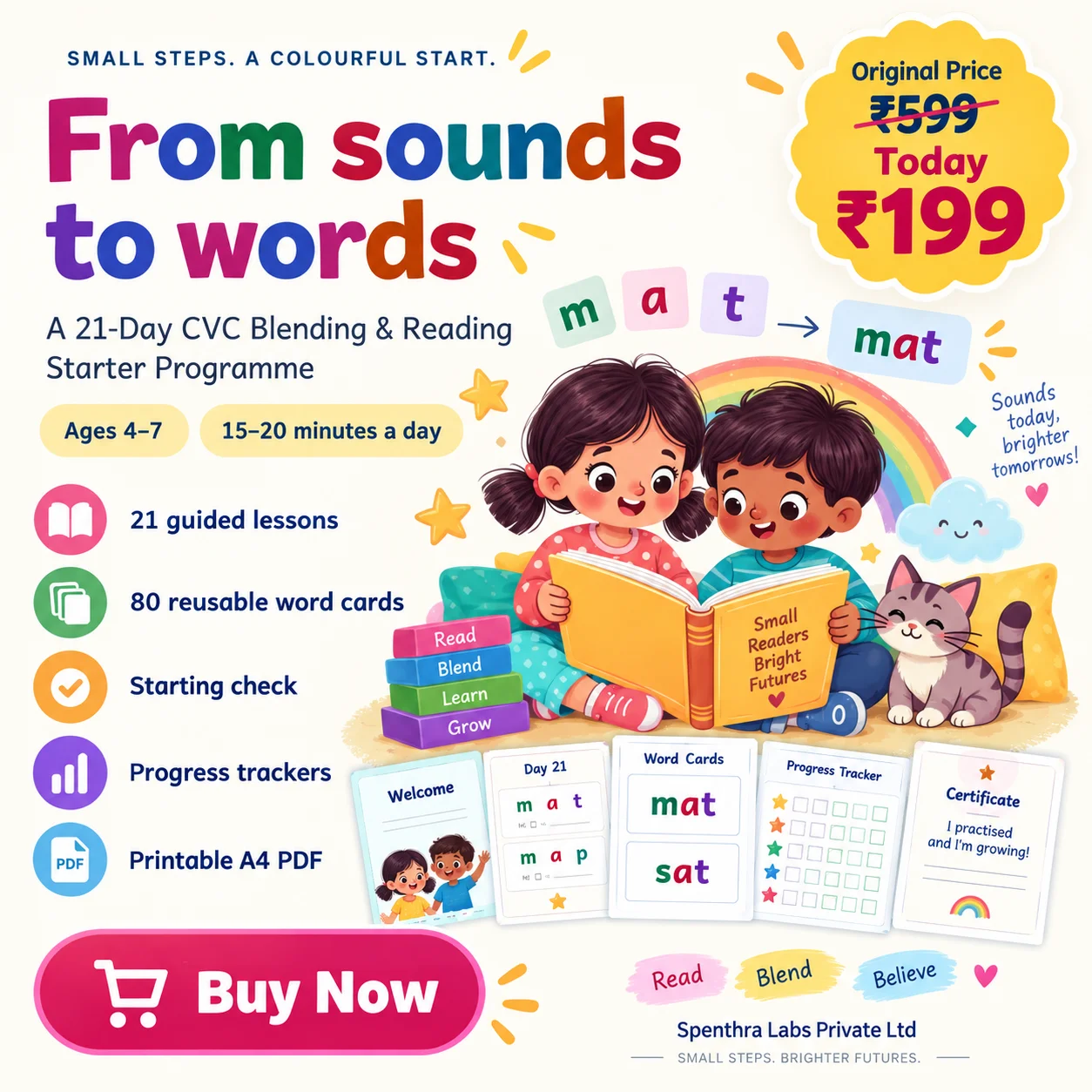
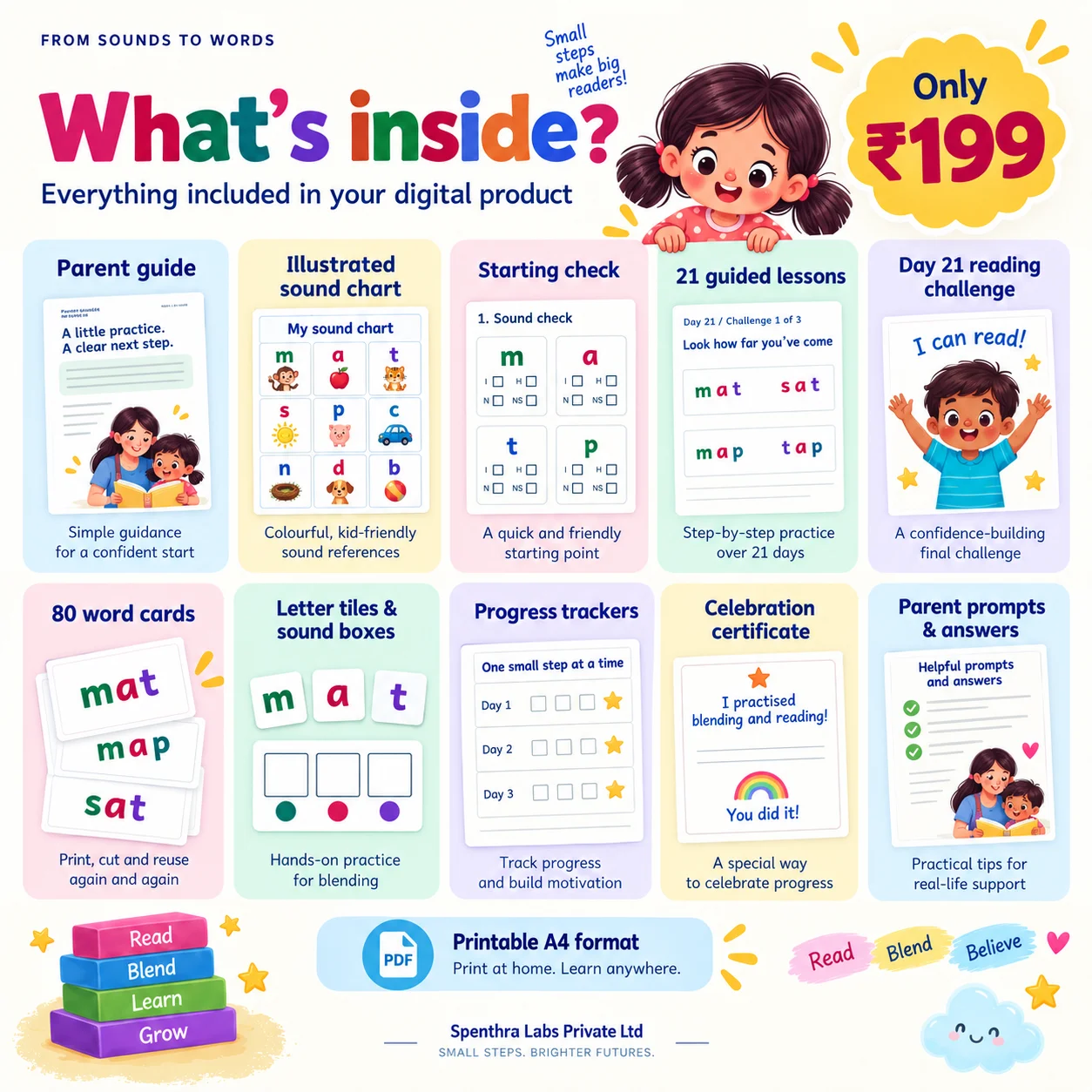
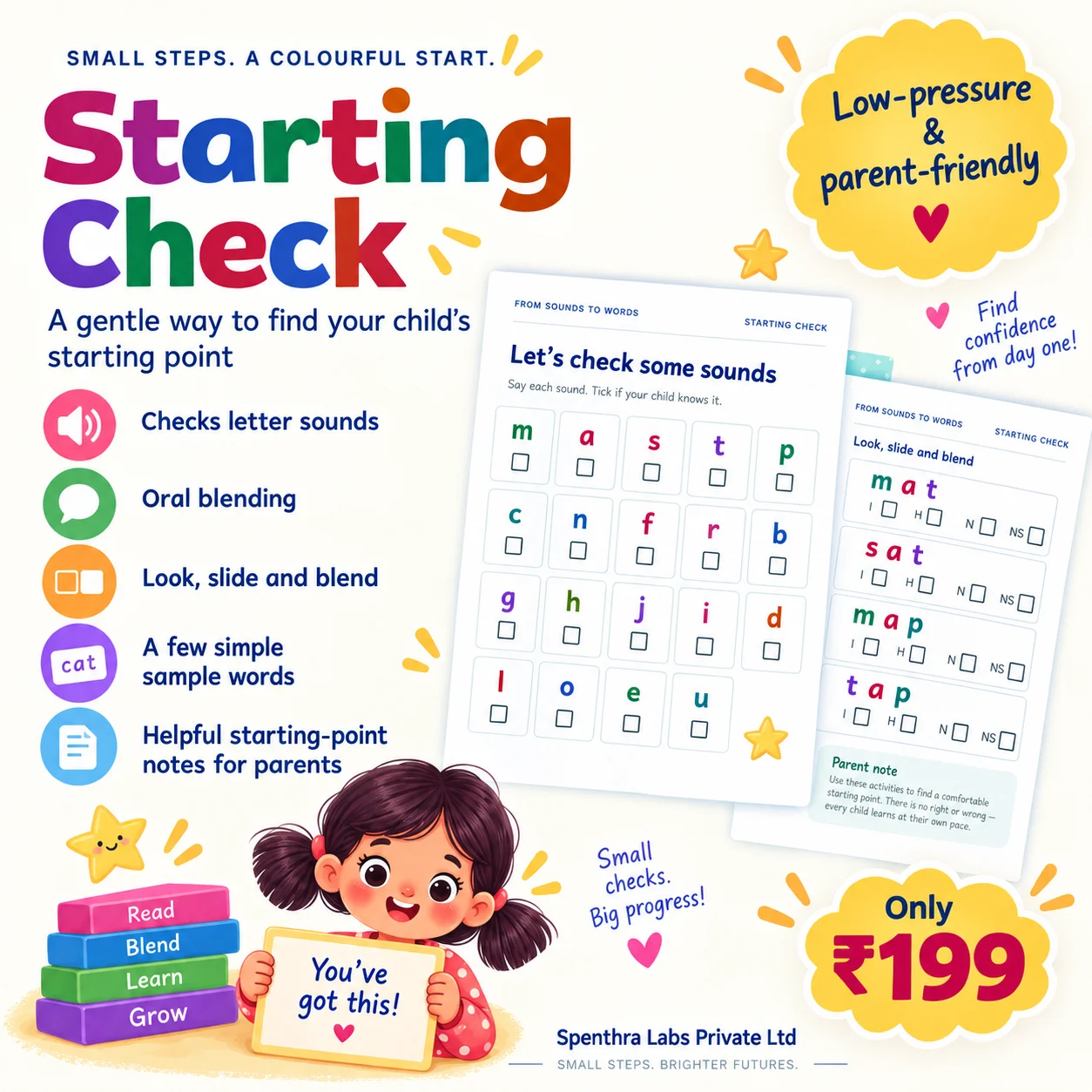
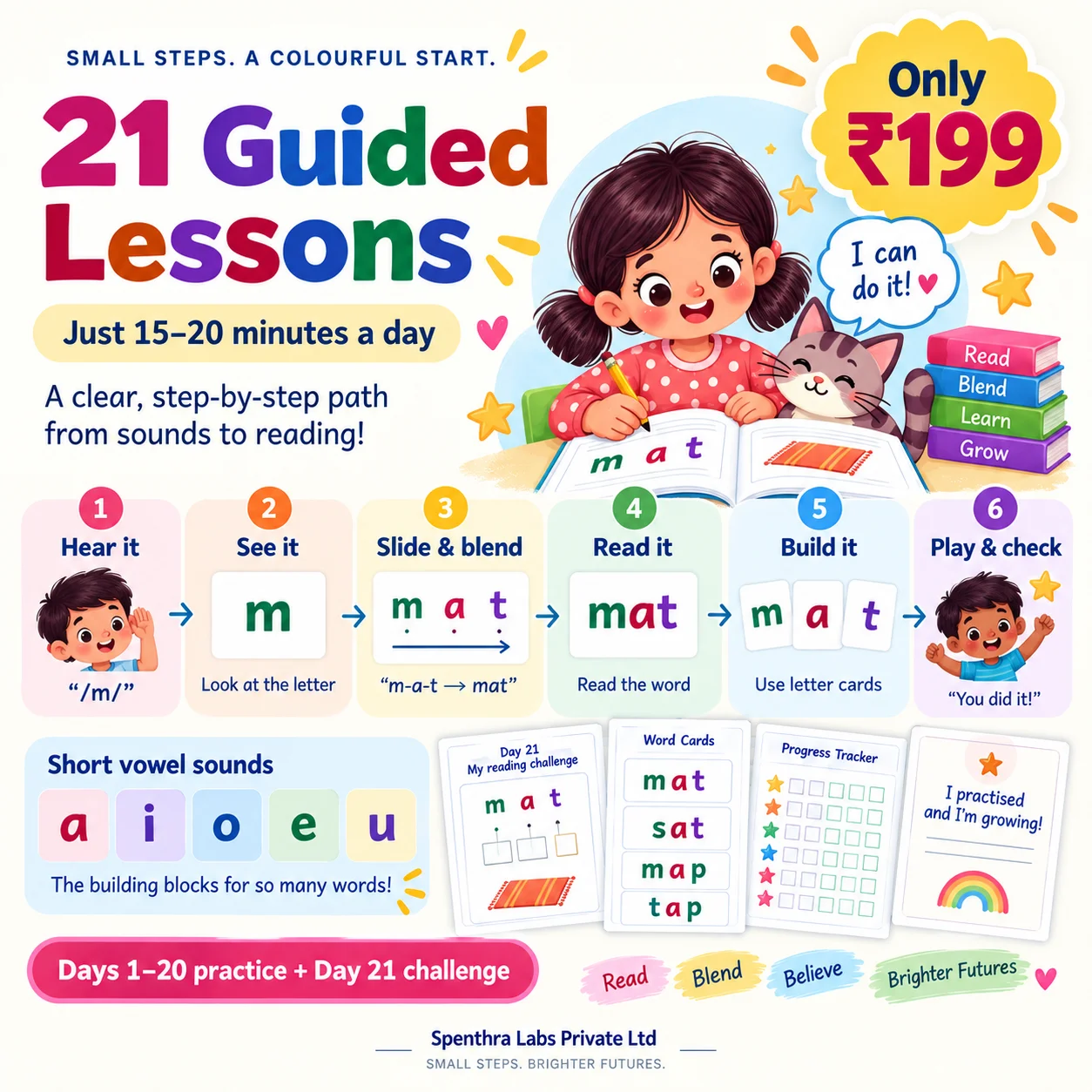
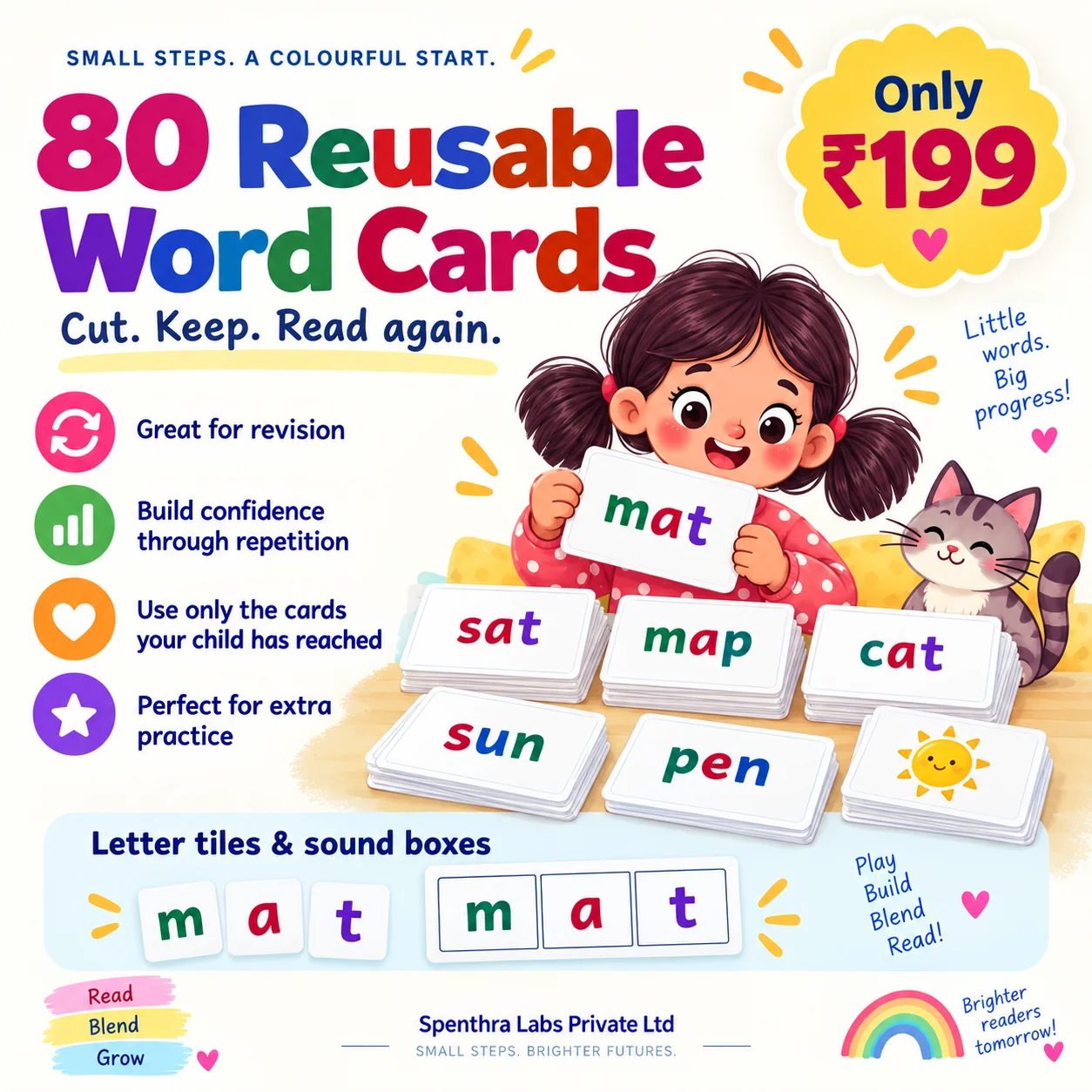
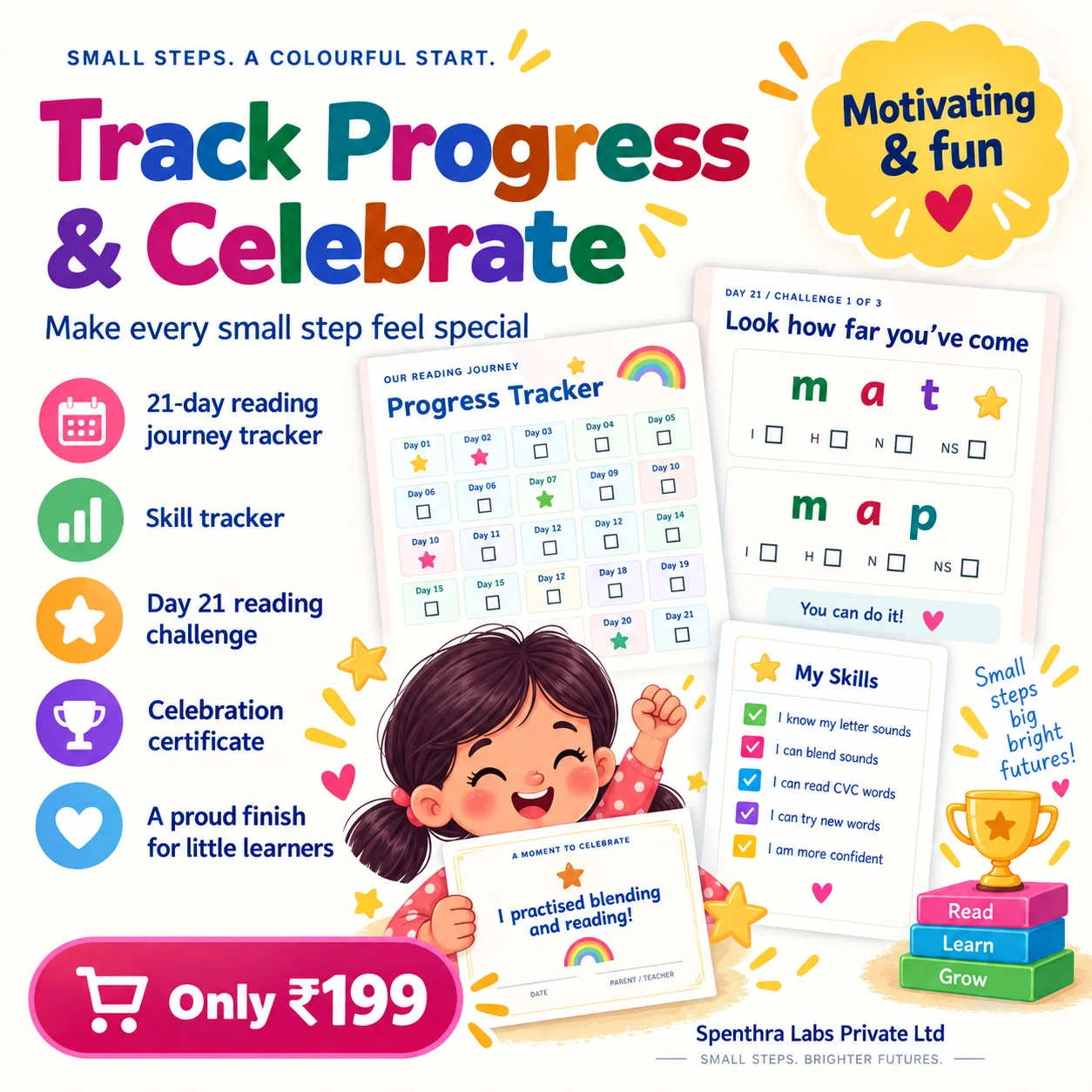
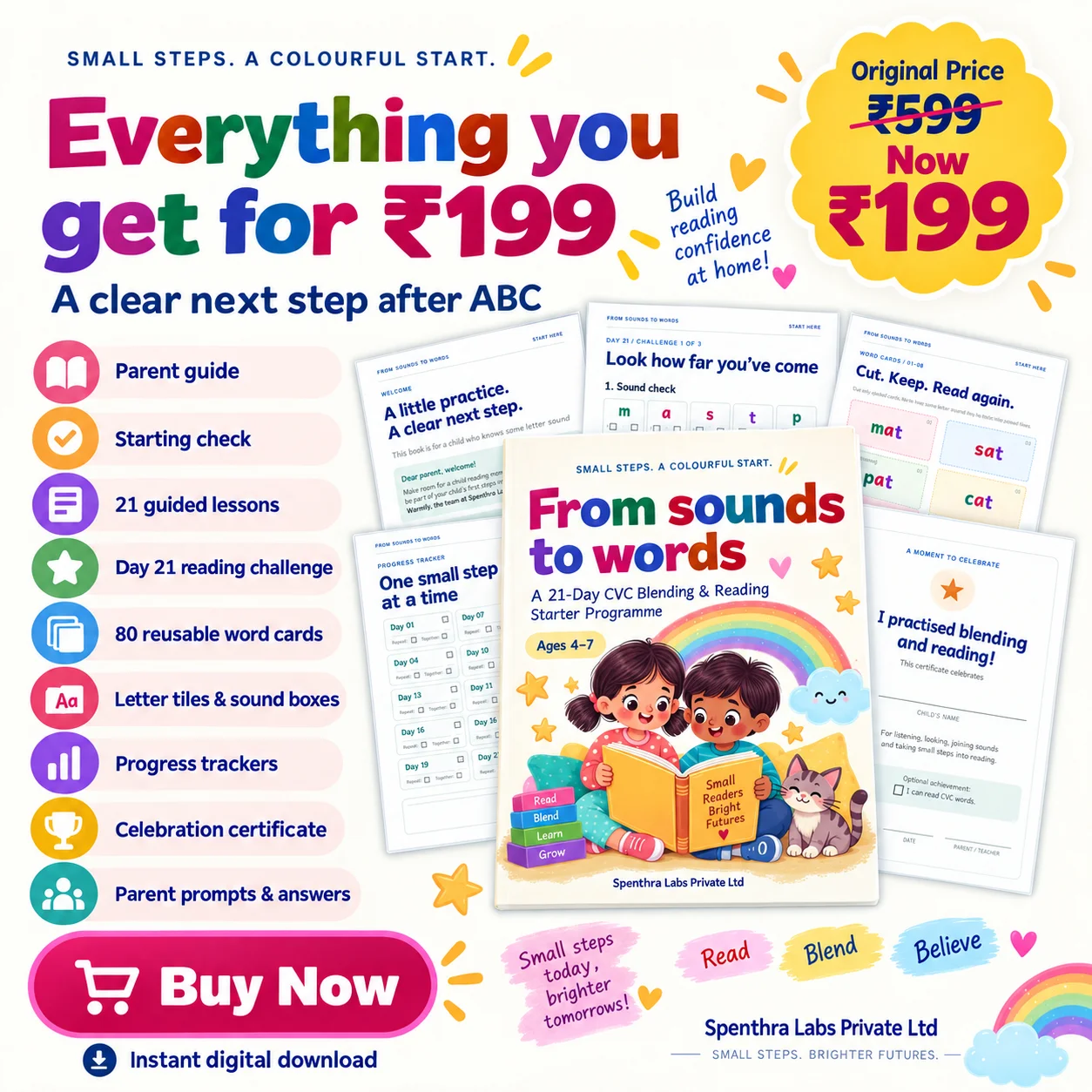
21 days of guided reading practice for little learners.

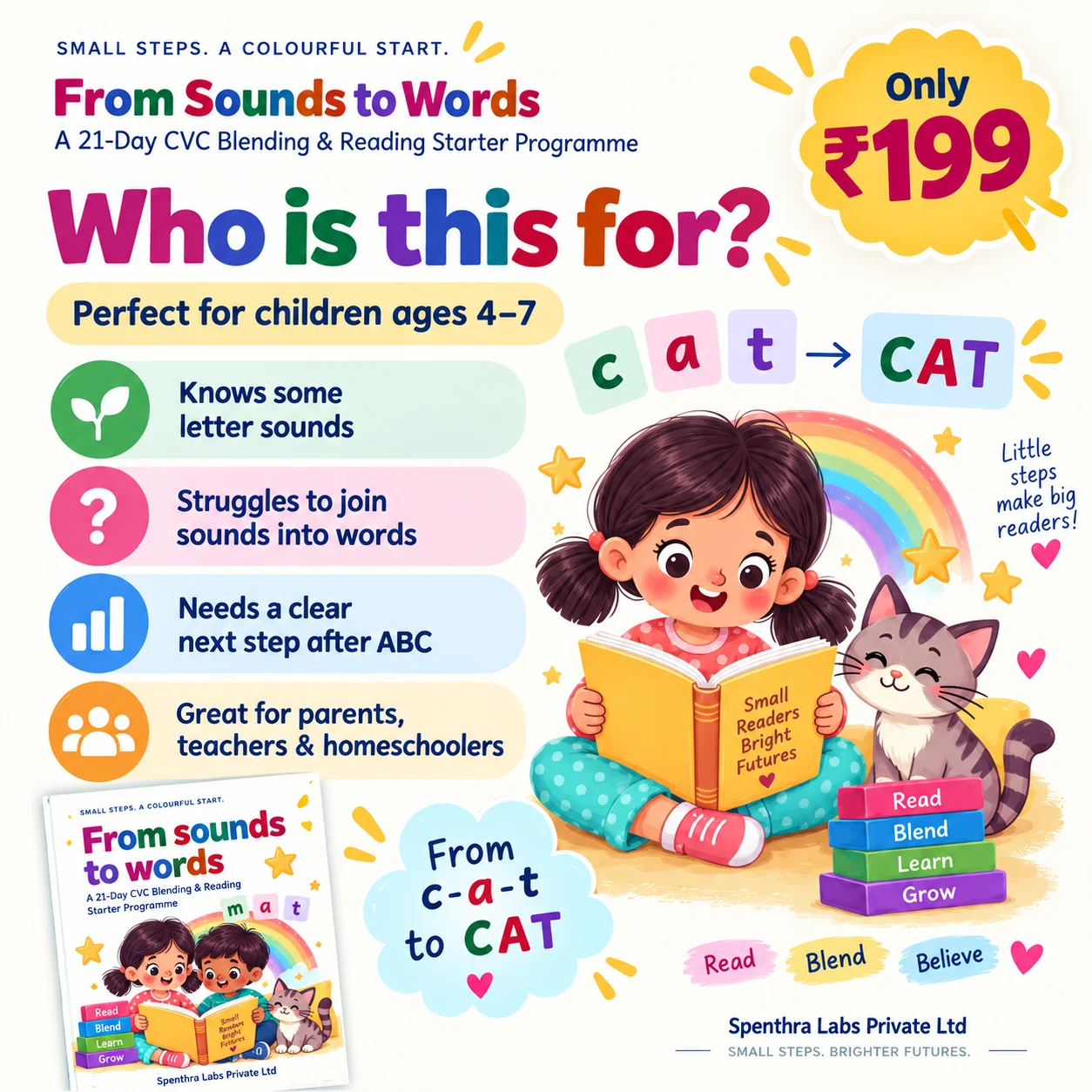
Ages 4–7 · English · Printable PDF

See More

From Sounds to Words

Free · no sign-up · unlimited

Word Scramble Generator

Jumbled letters to unscramble. Paste in this week's spelling list, or pick a theme. Add a word bank or a first-letter hint when a class needs support, and remove it when they do not.

  • Your own words, or a themed list
  • Spaced, joined or dashed letter presentation
  • Optional first-letter hint and word bank
  • Answer key included

How to get the most from these worksheets

A few things worth knowing before you print a stack of them.

Scrambling tests spelling, not reading

To unscramble a word a child has to hold its spelling in mind and test arrangements against it. That is a genuinely different exercise from reading the word, and it exposes spellings that look secure but are not.

A jumble is never accidentally the answer

Short words can easily shuffle back into themselves. Each word is re-shuffled until it differs from the answer, so no question is unanswerable.

Unscrambling exercises spelling from the inside out

Reading a word is largely recognising its shape; unscrambling it is not available to that shortcut, because the shape has been destroyed. A child has to reconstruct the letter sequence deliberately, which is precisely the skill writing requires and reading does not. This is why a scramble sheet is worth more than a reading sheet for spelling practice.

Keep the first letter, or do not, on purpose

Showing the first letter cuts the search space sharply and makes a scramble accessible to younger children. Hiding it makes the puzzle substantially harder, because the opening letter is the strongest cue a child has. Either is fine; drifting between them without noticing is what produces a sheet where half the items are trivial and half are impossible.

Watch for accidental real words

Scrambles sometimes produce another valid word — from listen you can get silent and tinsel. A child who finds one has answered reasonably and will be marked wrong, which is unfair and discouraging. Reading the scrambles before printing catches these, and the ones you find are often worth keeping as a deliberate talking point.

Scrambles are harder for weaker spellers, not easier

They look like a game, so they are sometimes given to children who are struggling as light relief. They are in fact one of the more demanding spelling formats, because there is no context and no shape to recognise. For a child who finds spelling hard, a scramble with the first letter shown and a word bank alongside is a much better starting point.

Use the current spelling list

The format works with any words, which makes it tempting to use whatever is to hand. Built from the words a child is currently learning it is real rehearsal at the exact moment it counts; built from random words it is a puzzle. Same sheet, entirely different value.

What makes this different

Genuinely unlimited

No monthly cap and no premium tier. Make fifty worksheets in an afternoon if you need to.

Nothing is uploaded

Questions, names and PDFs are all built in your browser. No worksheet content is ever sent to a server.

Several exercises per sheet

Combine arithmetic, tracing and a quiz on one page instead of printing three separate worksheets.

Edit every question

Retype any question, replace just one, or delete it — your edits survive when you change the settings.

Frequently asked questions

Can I use my own spelling words?

Yes, choose My own words and paste your list, one per line.

Can I make it easier?

Switch on the first-letter hint, the word bank, or both.

Are letters shown spaced out?

By default, which is easier for young children to read. You can switch to joined or dashed.

How do word scrambles help with spelling?

They remove the shape of the word, so a child cannot rely on recognising it and has to rebuild the letter sequence deliberately. That reconstruction is what writing demands and reading does not, which makes scrambles unusually direct spelling practice.

Should the first letter be given?

It depends on the age and the aim. Showing it cuts the difficulty sharply and suits younger children; hiding it makes the puzzle much harder because the opening letter is the strongest cue. The important thing is choosing deliberately rather than mixing both without noticing.

What if the scrambled letters make a different real word?

It happens — listen, silent and tinsel share letters. A child who finds the alternative has reasoned correctly and should not be marked down. Reading through the scrambles before printing catches most cases, and they often make a good discussion point.

Are word scrambles good for struggling spellers?

Not as a starting point, despite looking like a game. There is no context and no word shape to lean on, which makes them demanding. For a child who finds spelling hard, show the first letter and supply a word bank alongside.

Related generators

Suitable grade levels