Skip to content

From our digital bookshelf

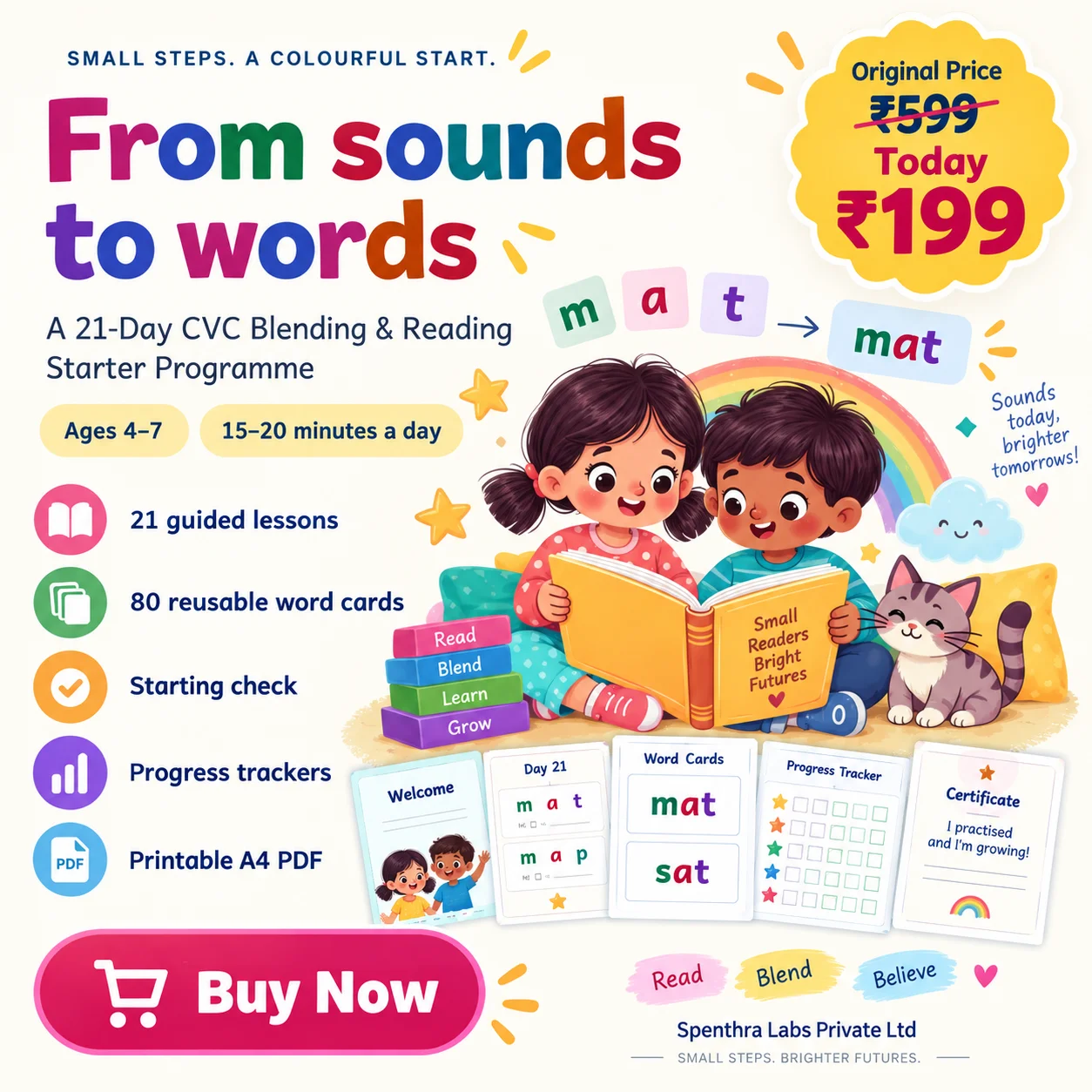
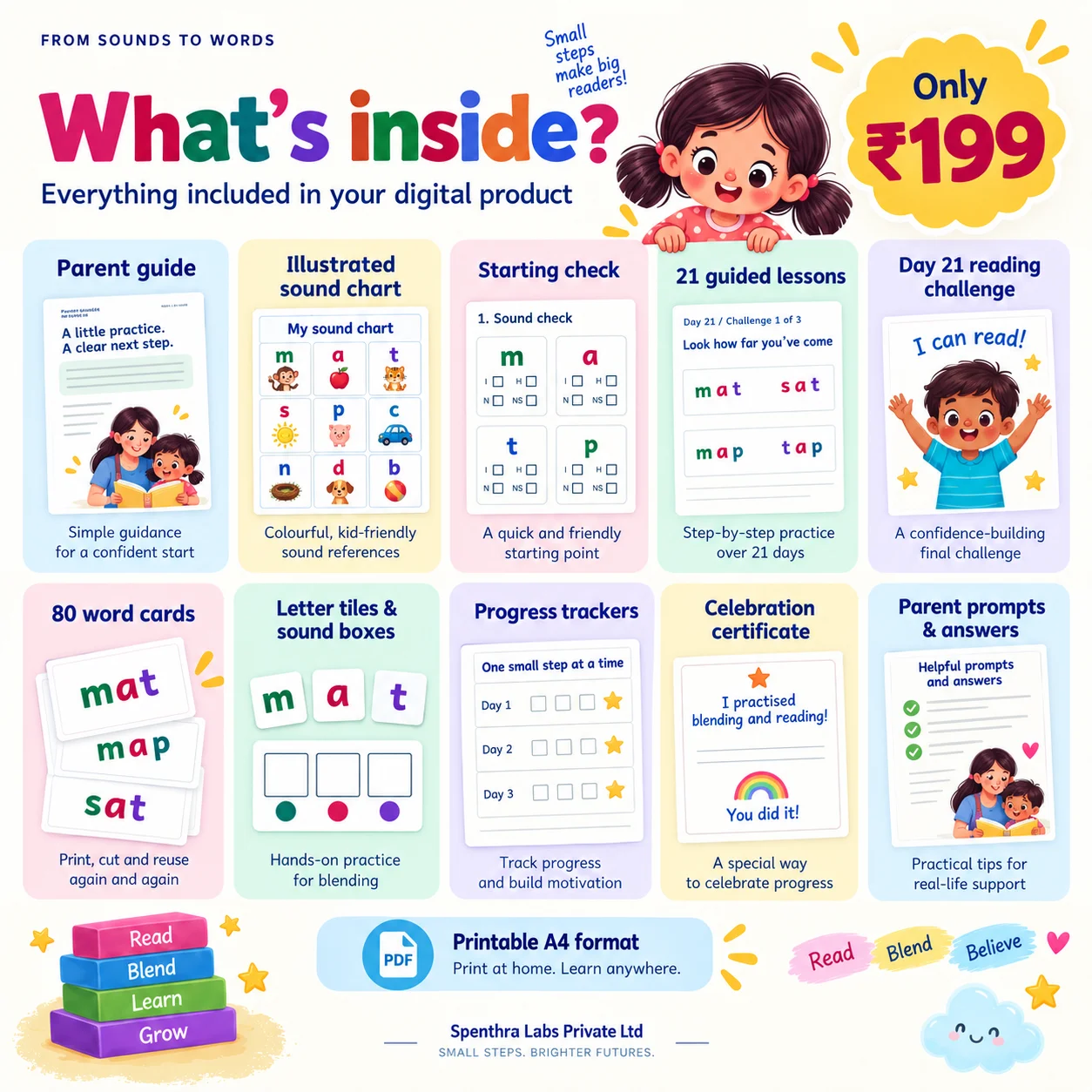
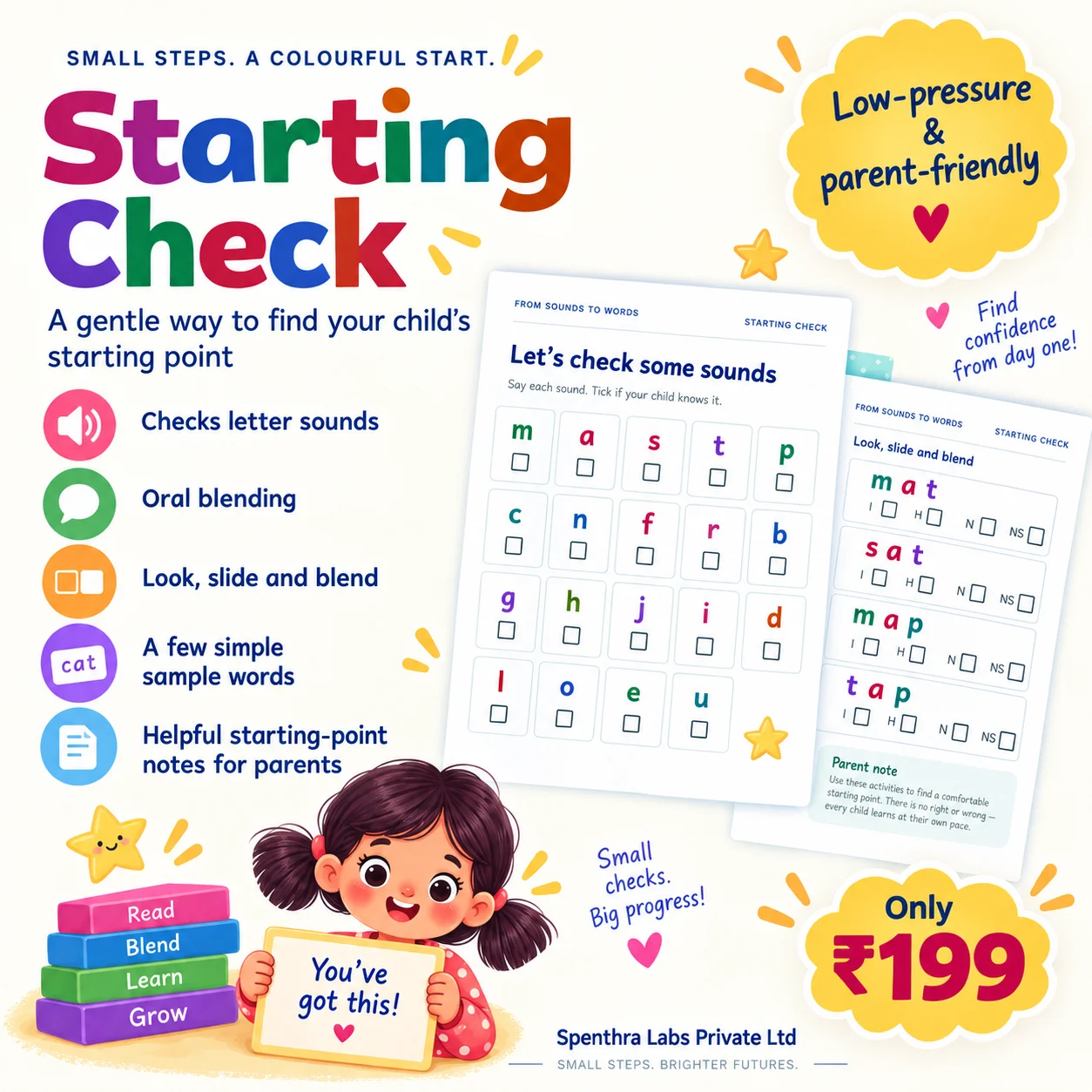
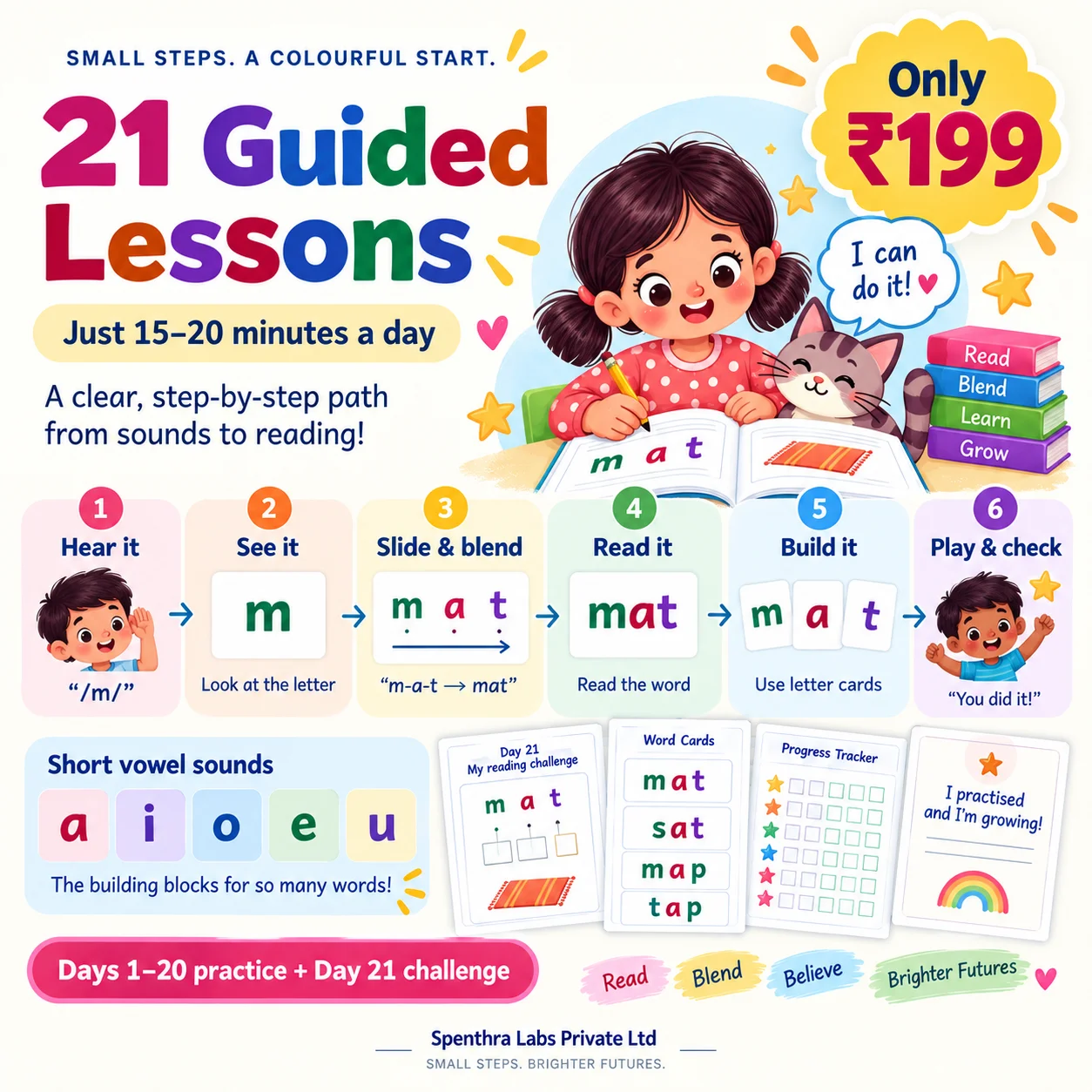
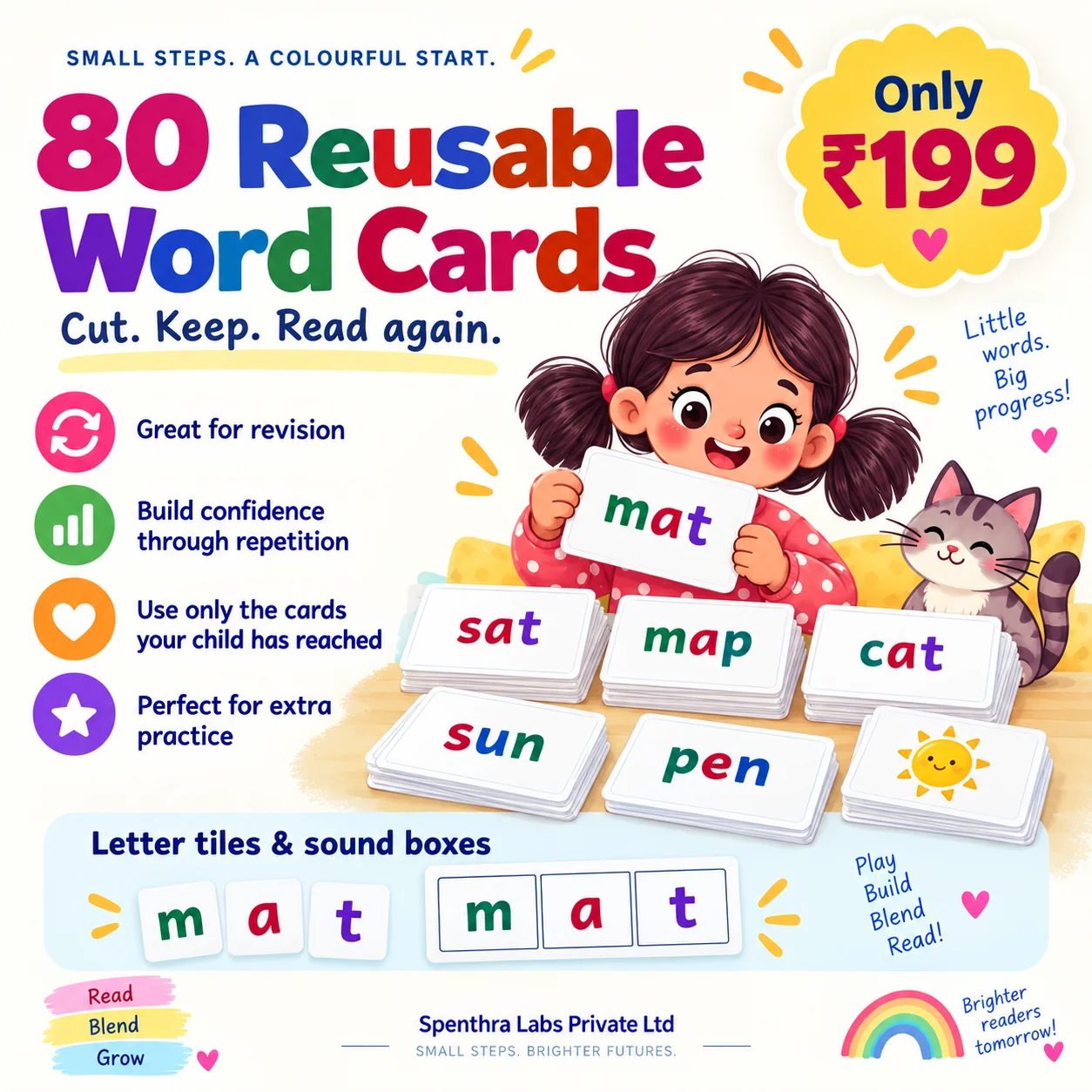
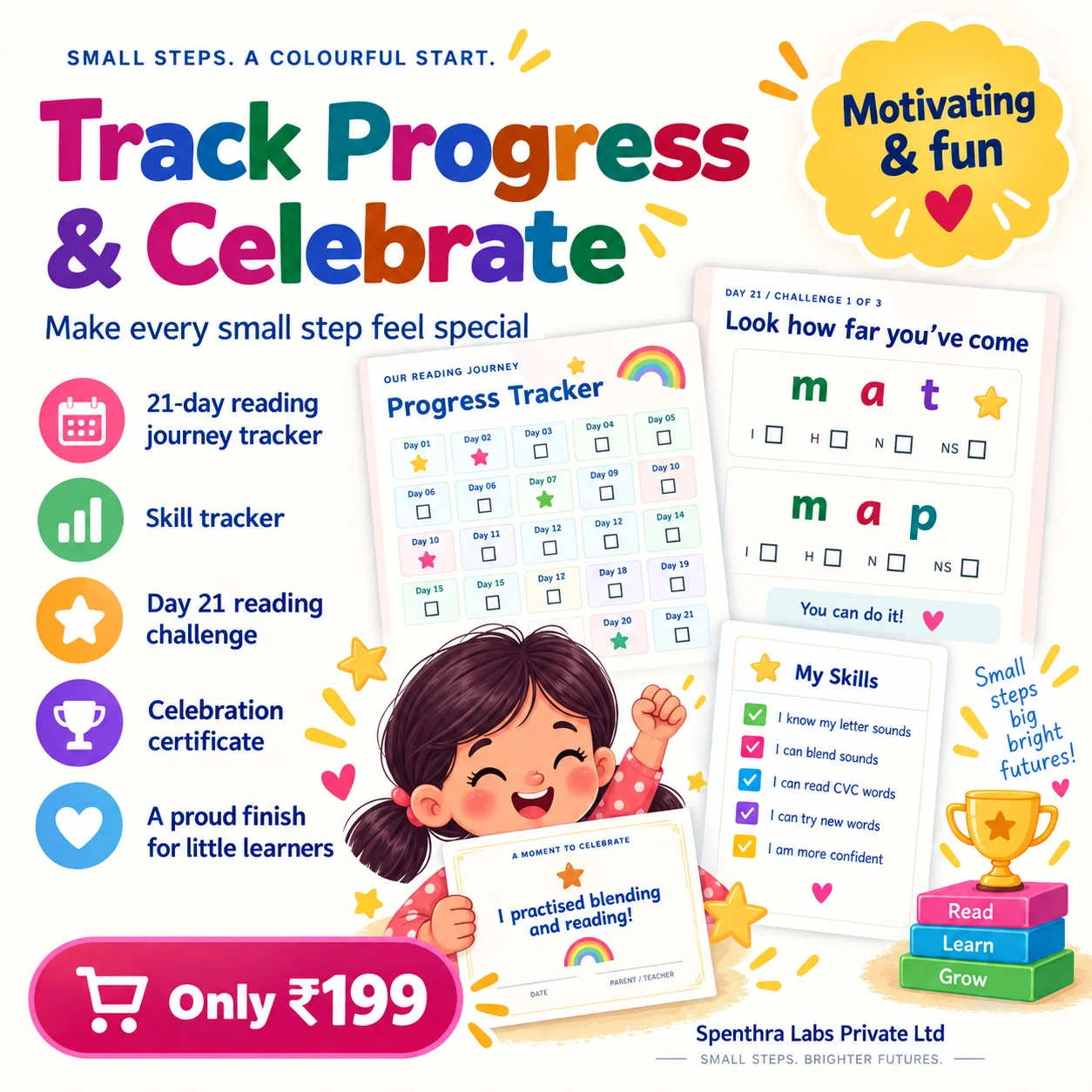
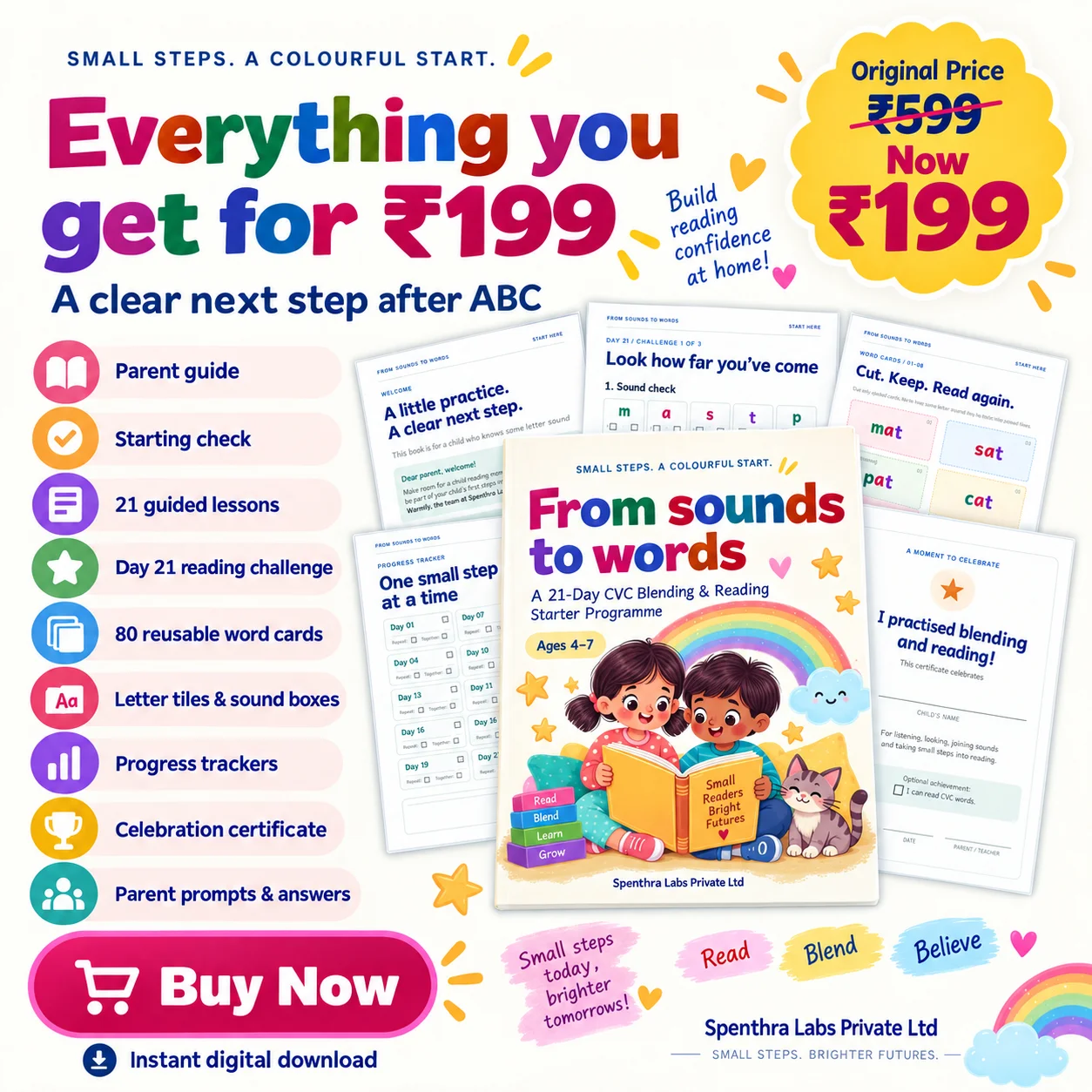
21 days of guided reading practice for little learners.

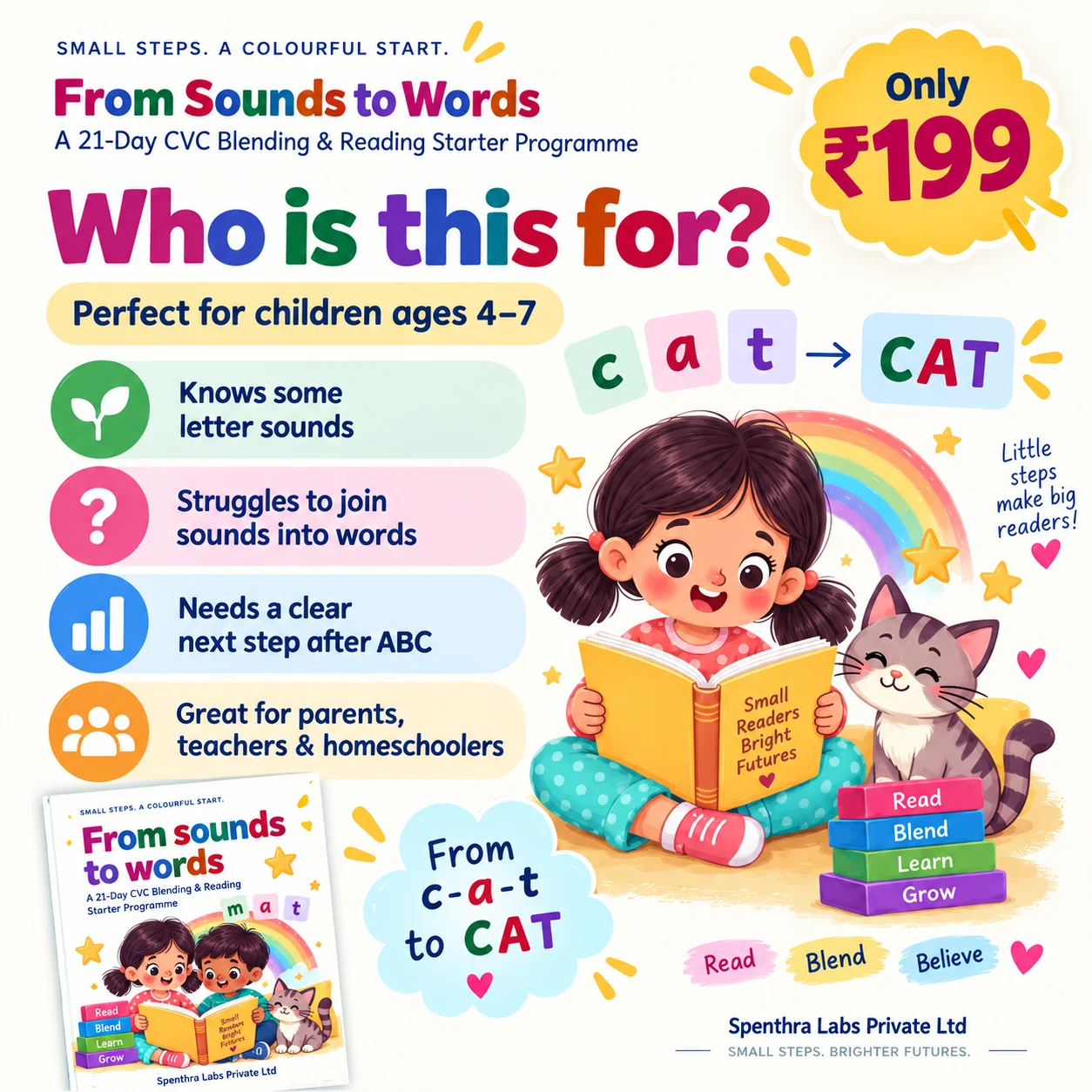
Ages 4–7 · English · Printable PDF

See More

From Sounds to Words

Free · no sign-up · unlimited

Addition Worksheet Generator

Build addition practice that matches exactly where your class is. Set the number range, decide whether problems carry into the next column, and choose stacked or single-line layout. Every sheet comes with an optional answer key, and you can make as many as you like.

  • Single, double or triple digit sums
  • Force carrying on, off, or leave it mixed
  • Vertical column layout or horizontal number sentences
  • Answer key on separate pages or printed onto the sheet

How to get the most from these worksheets

A few things worth knowing before you print a stack of them.

Start without carrying

Children meeting written addition for the first time cope far better when no column carries. Set regrouping to “Never” for the first few weeks, then switch to “Always” so they meet carrying deliberately rather than by accident. Mixing both too early is the most common reason a child stalls.

Vertical or horizontal?

Horizontal number sentences (7 + 4 = __) test recall of number facts. Vertical columns test the written method. They are different skills, so it is worth printing both rather than assuming one covers the other.

Keep the sheet short

Twenty well-chosen problems beat fifty repetitive ones. If a child can do ten in a row correctly, more of the same teaches nothing — move the difficulty up instead.

What the number range is really choosing

The range does not just change how hard the sums look — it changes which method a child can use. Sums within 10 can be answered by counting on fingers, and many children will. Sums within 20 push them towards number bonds, because ten fingers run out. Crossing into two digits makes counting on impractical and forces the written method. If a child is still counting when you wanted them recalling, raise the range rather than adding more questions at the same level.

Why a mixed sheet hides a problem

A worksheet where some problems carry and some do not looks like sensible variety, and it is — once the method is secure. Before that it masks exactly what you want to see. A child who has not understood regrouping will still get the non-carrying problems right, so a page scored 12 out of 20 tells you nothing about which twelve. Set regrouping to Always for a diagnostic sheet: the score then means something, because every question tests the thing you are checking.

Three digits is a different skill, not a harder one

Moving from two digits to three feels like more of the same and is not. Three-digit addition introduces the carry that cascades — 8 in the tens column becoming 10 and pushing another one into the hundreds — and a child can be entirely fluent at two digits without having met that at all. Print a short sheet of three-digit sums chosen to cascade before assuming the method transferred.

Use the answer key as a worked example

The filled-in option prints the answers onto the sheet itself, which sounds like it defeats the purpose. It does not, if you print one: a completed sheet is a worked example a child can keep on the desk while attempting a blank one. This works particularly well for the column method, where the layout on the page is half of what is being taught and a verbal explanation of where the carry goes is much harder to follow than seeing it.

Marking is faster when the layout is consistent

If you are printing for a whole class, keep the layout the same across the set and vary only the numbers. Answers then land in the same place on every sheet and you can mark down a column rather than hunting across a page. Turn the worksheet code on in the footer so you can rebuild the identical sheet next term without trying to remember which settings you used.

What makes this different

Genuinely unlimited

No monthly cap and no premium tier. Make fifty worksheets in an afternoon if you need to.

Nothing is uploaded

Questions, names and PDFs are all built in your browser. No worksheet content is ever sent to a server.

Several exercises per sheet

Combine arithmetic, tracing and a quiz on one page instead of printing three separate worksheets.

Edit every question

Retype any question, replace just one, or delete it — your edits survive when you change the settings.

Frequently asked questions

Is this addition worksheet generator really free?

Yes — completely, with no monthly limit and no account. You can generate and download as many worksheets as you want.

Can I control whether the problems need carrying?

Yes. Set regrouping to “Never” for sums that never carry, “Always” so every problem carries, or leave it on “Allow either” for a mix.

Can I get an answer key?

Yes. Choose “Extra pages” to append the key after the worksheet, or “Filled in” to print the answers onto the sheet itself as a worked example.

Will the same worksheet print the same way twice?

Yes, if you turn on the worksheet code in the footer. That short code lets you rebuild the identical sheet later.

What age is addition practice like this for?

Single-digit sums within 10 or 20 suit children of about five to six. Two-digit addition without carrying usually lands at six to seven, with carrying at seven to eight, and three-digit work from about eight. These are rough — set the range to where the child actually is rather than to their school year.

How many addition problems should be on one worksheet?

For daily practice, fifteen to twenty. That is enough to show whether a method is secure and short enough to finish in one sitting without the last few being rushed. Use more only when you are deliberately building speed on facts that are already understood.

What is regrouping, and why does the generator ask about it?

Regrouping is carrying: when a column adds to ten or more, the extra ten moves into the next column. It is the single hardest step in written addition, so the setting lets you exclude it entirely, require it in every problem, or mix the two — which is really a choice about whether you are teaching, testing or revising.

Can I put addition and other exercises on the same sheet?

Yes. The generator builds several exercises onto one page, so you can follow a block of addition with tracing, a short quiz or anything else rather than printing separate worksheets. This is useful for a starter activity that covers a few minutes of mixed revision.

Related generators

Suitable grade levels