Skip to content

From our digital bookshelf

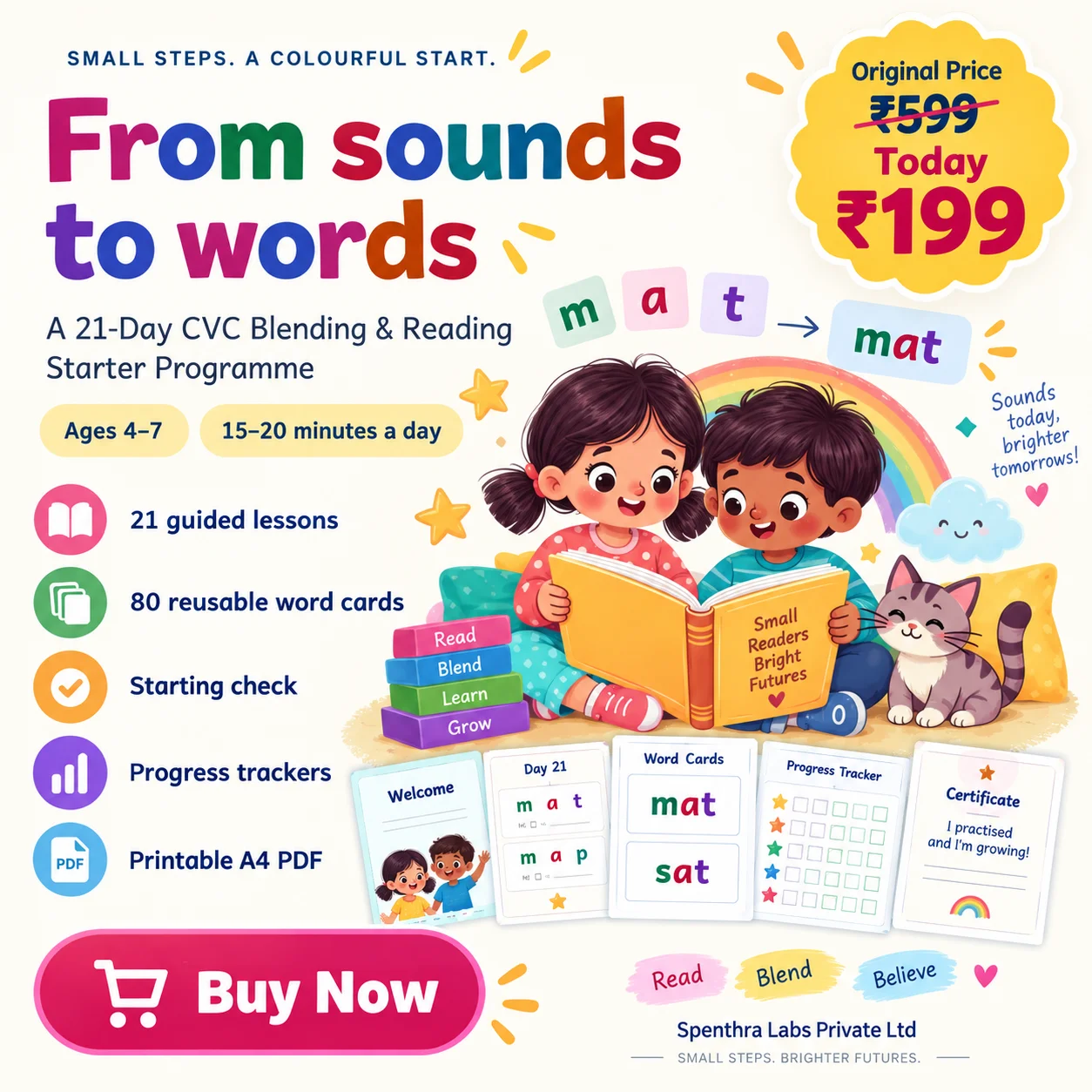
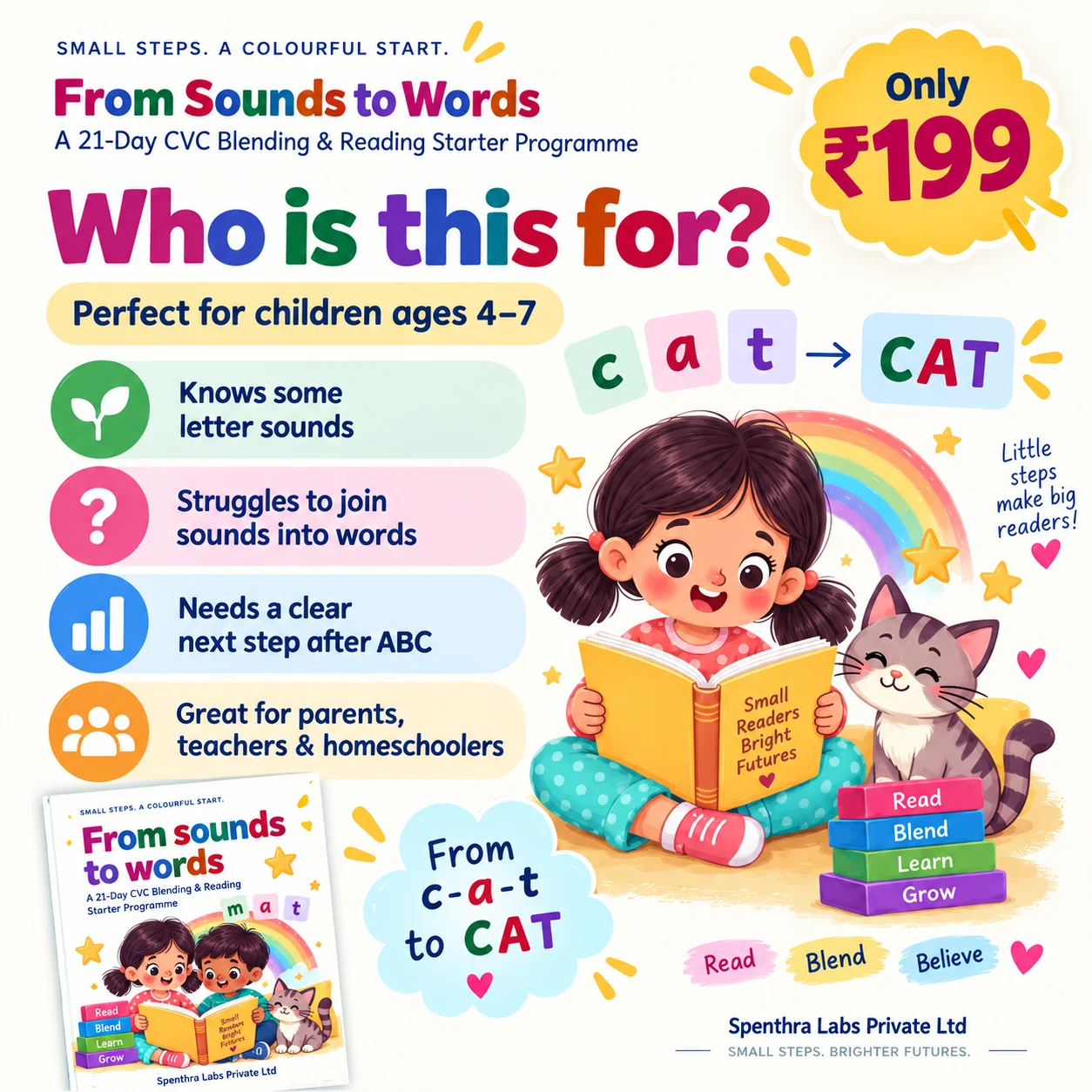
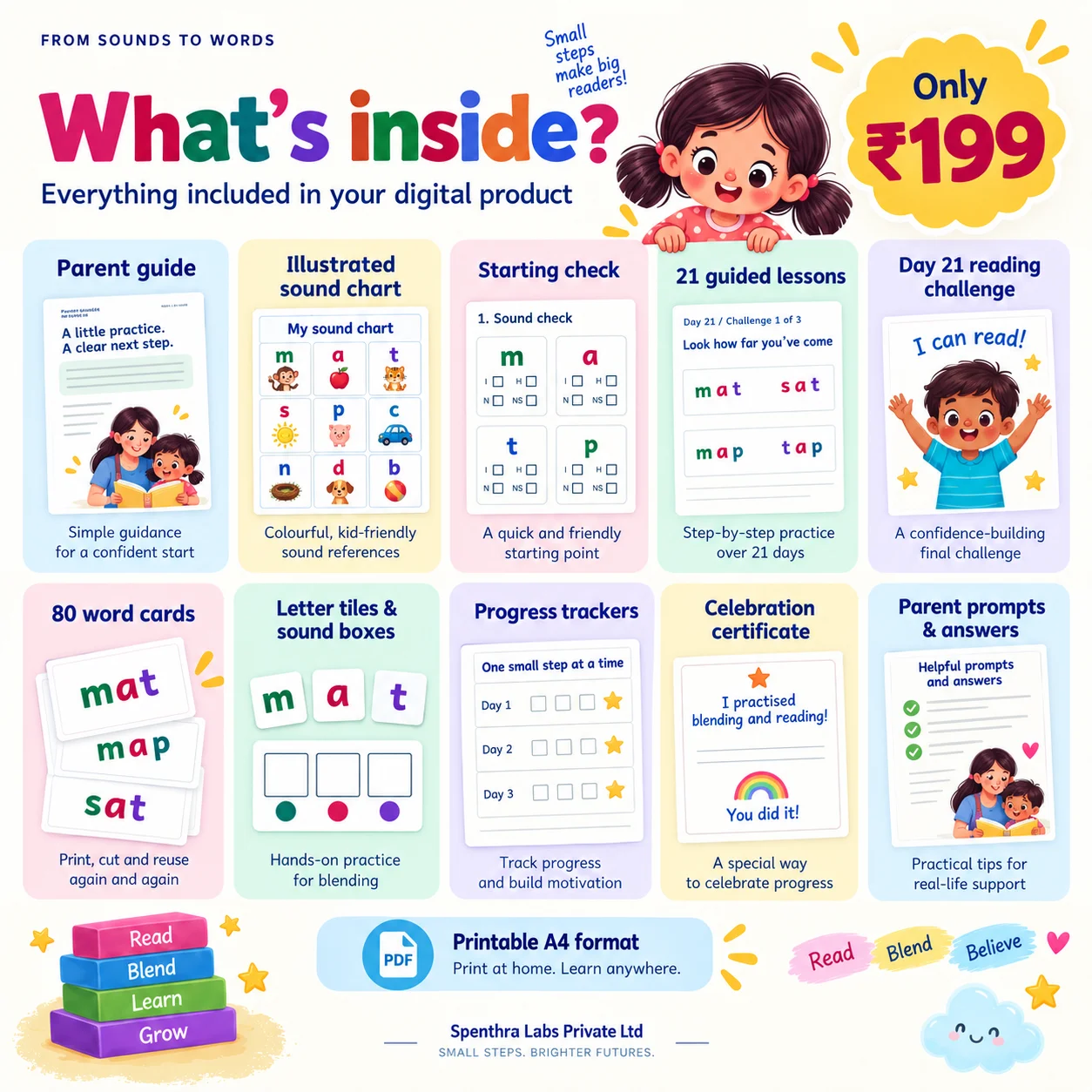
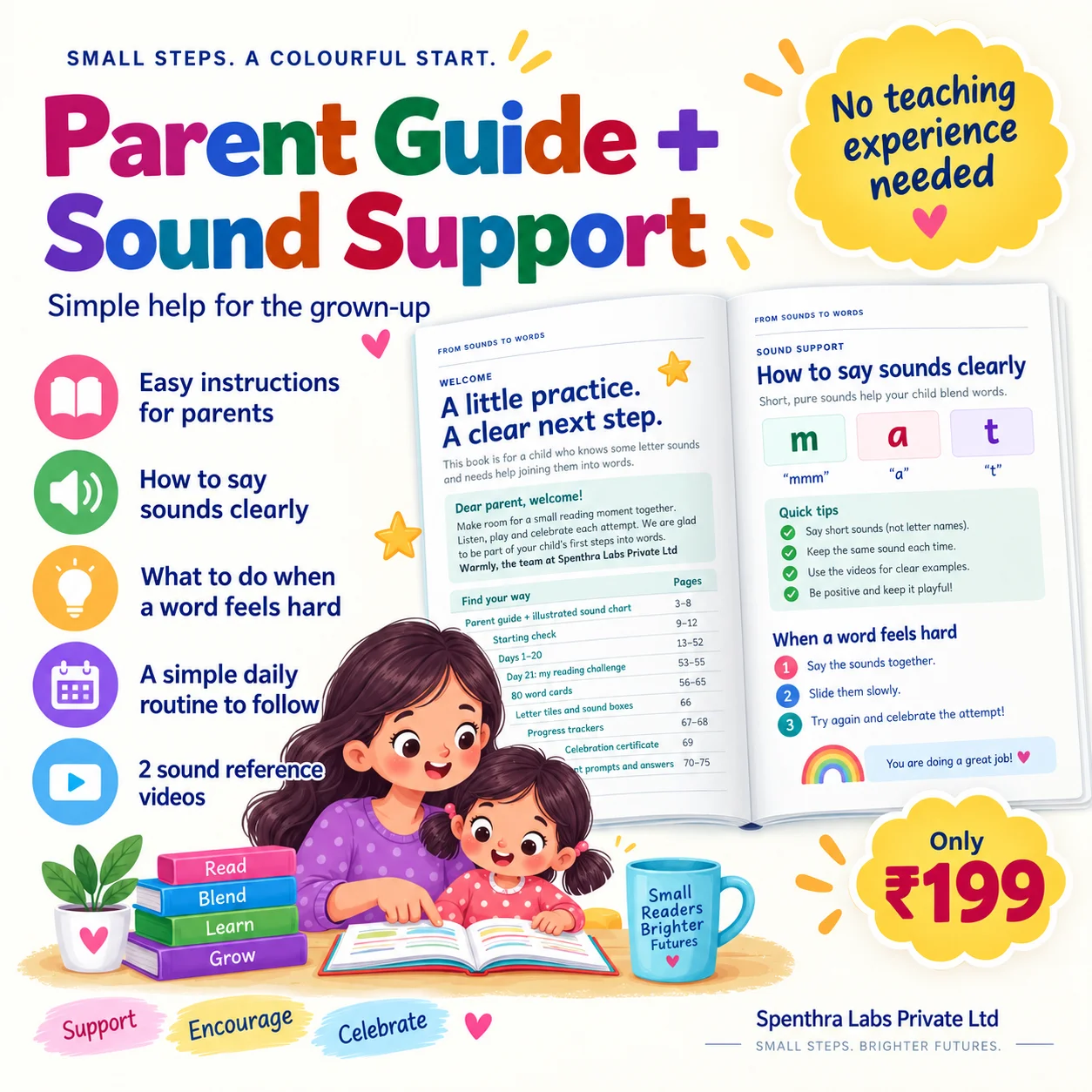
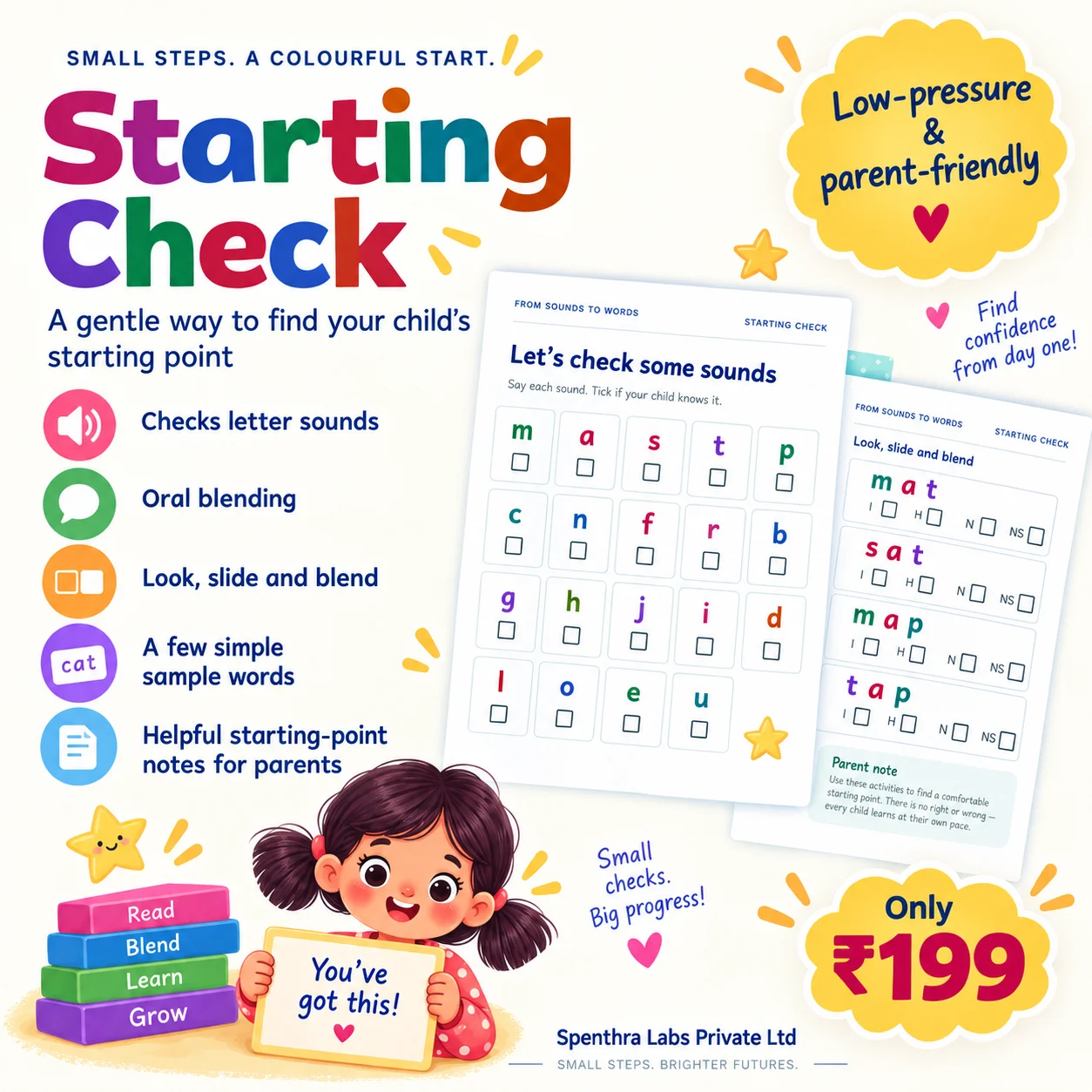
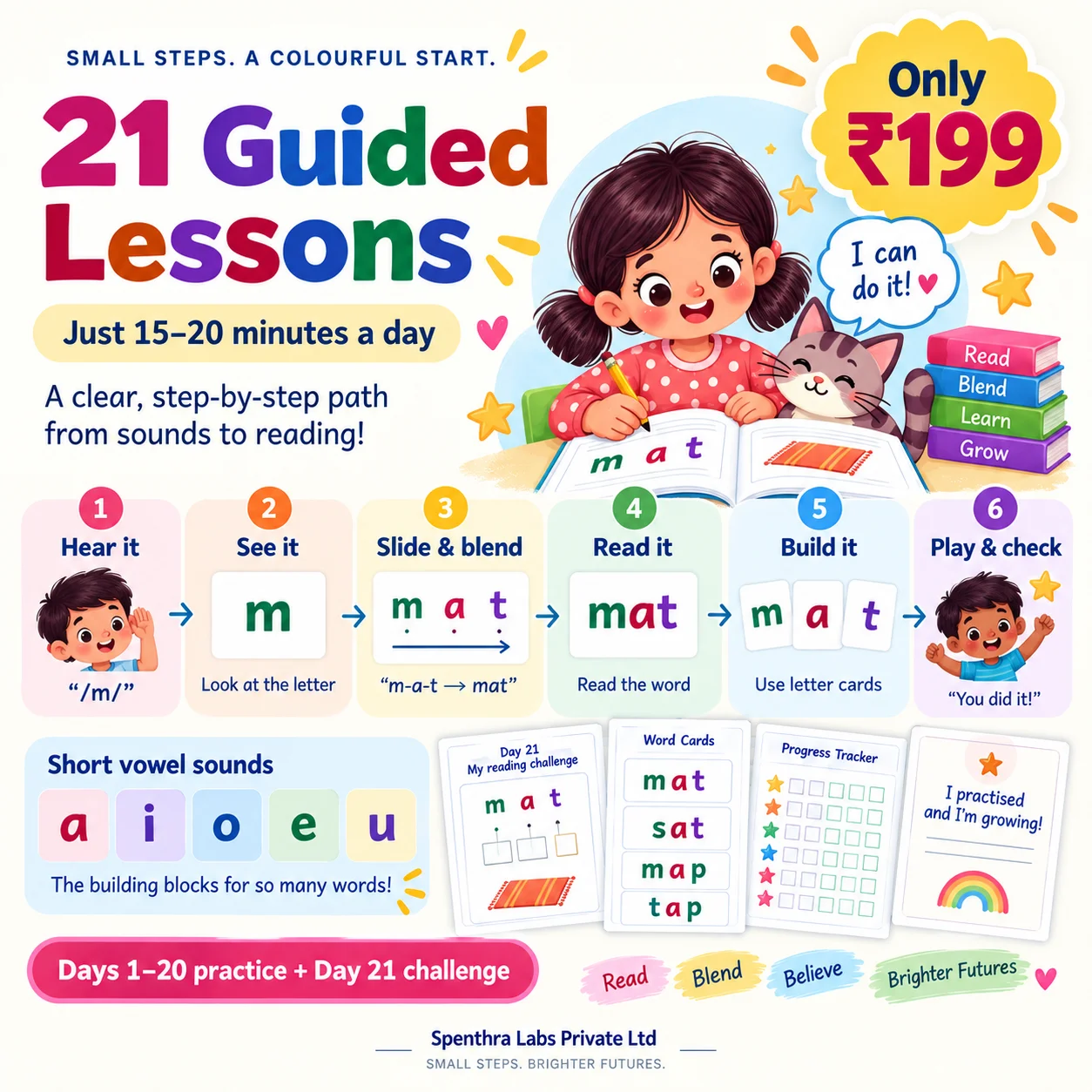
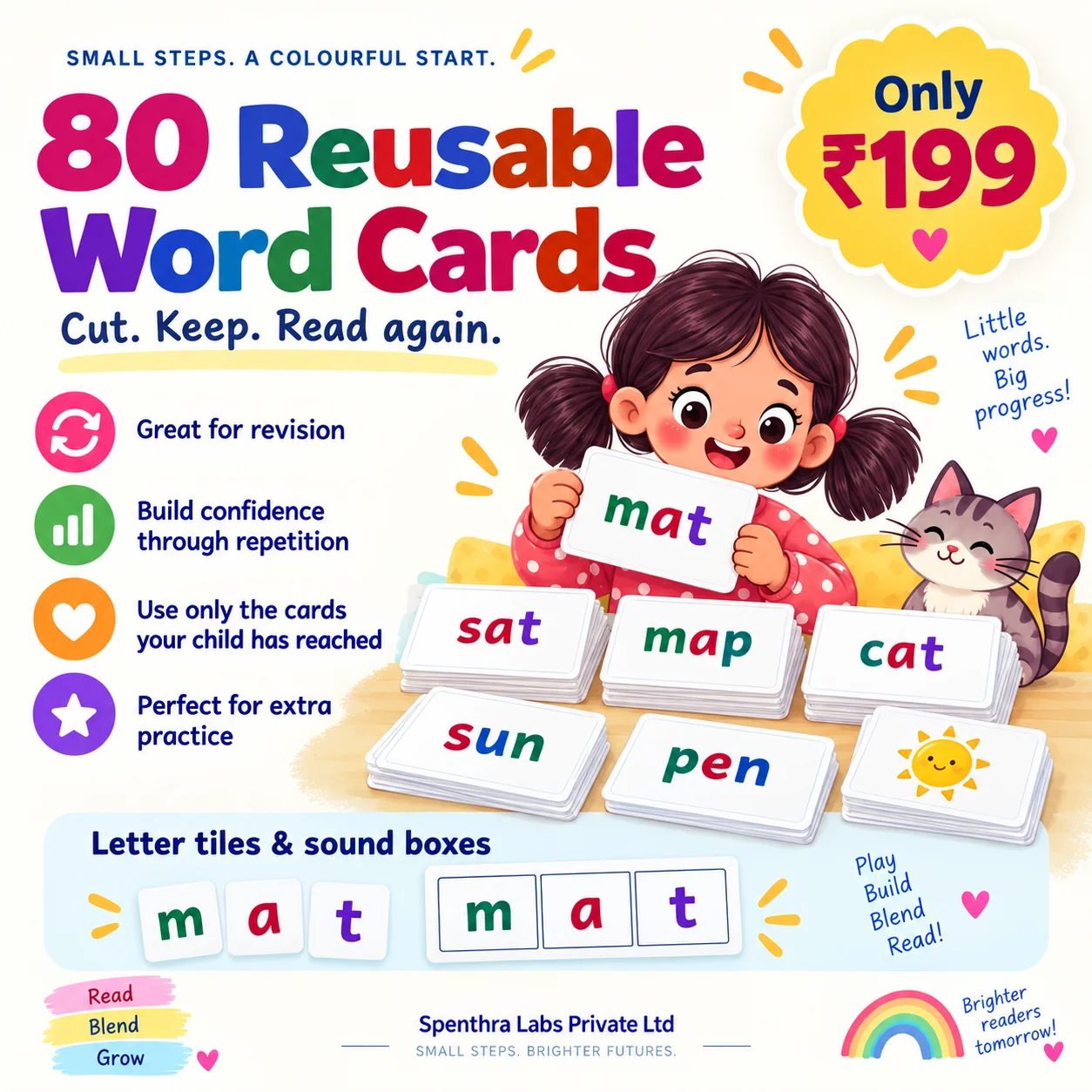
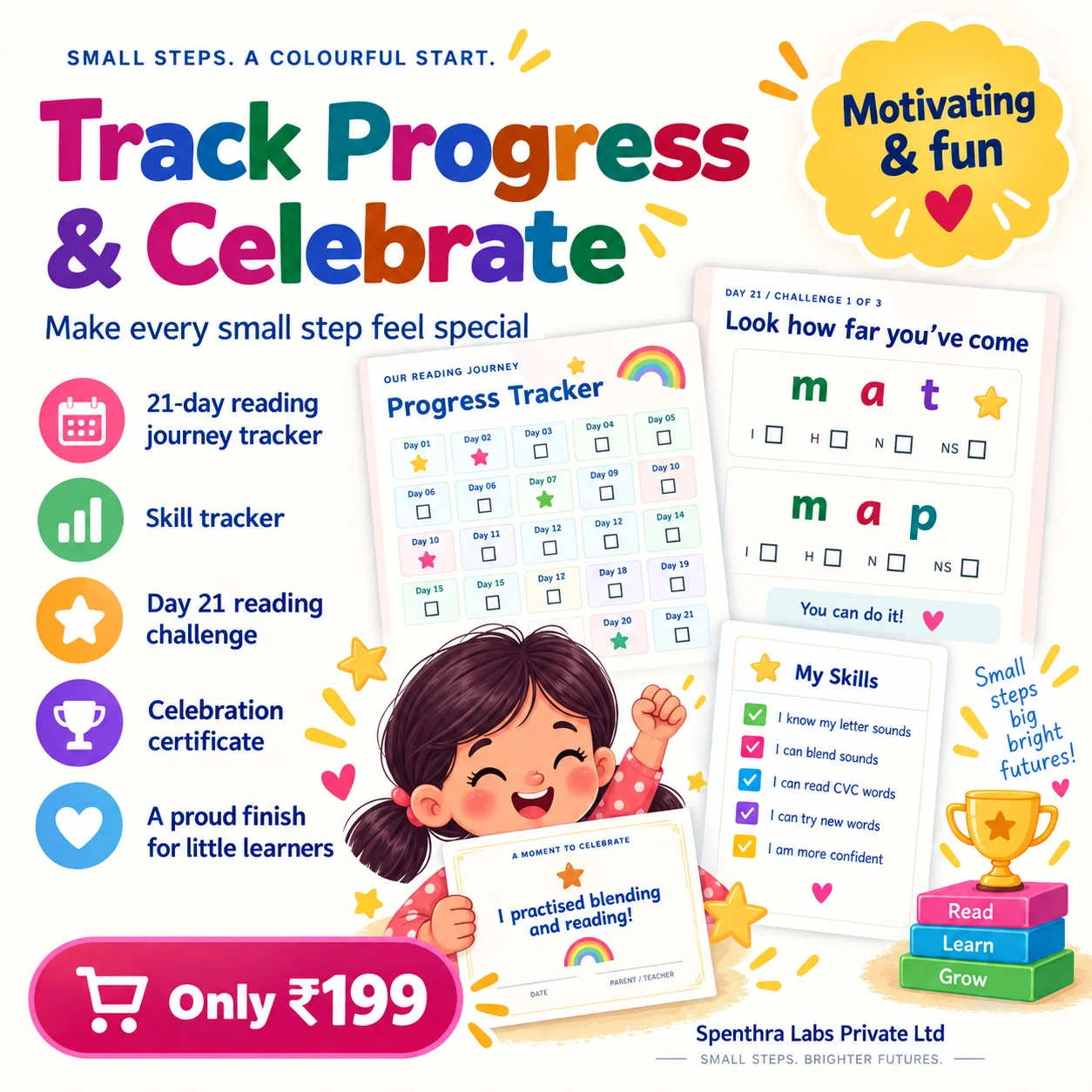
21 days of guided reading practice for little learners.

Ages 4–7 · English · Printable PDF

See More

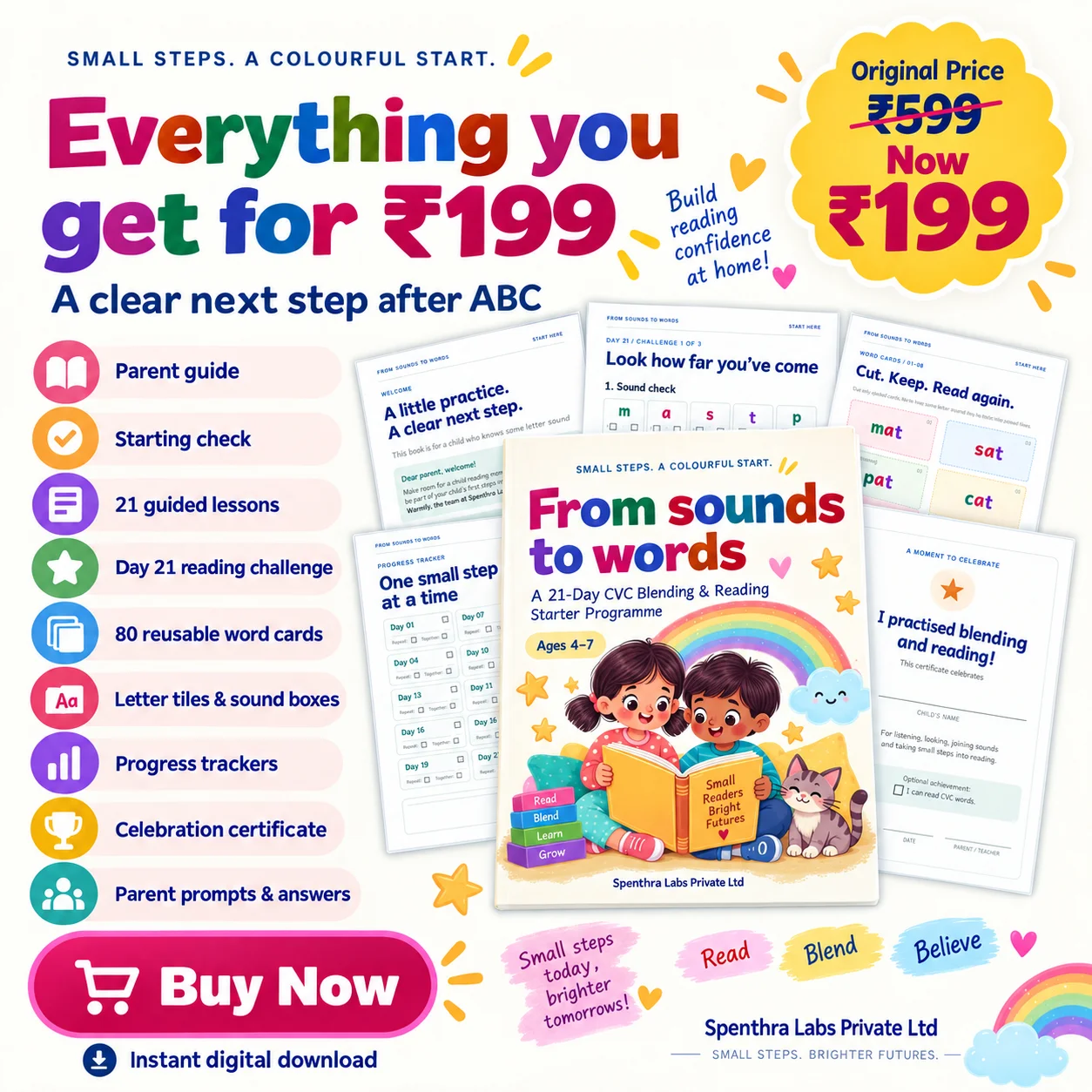
From Sounds to Words

Free · no sign-up · unlimited

Compare Numbers Worksheet Generator

Practice with the greater than, less than and equals signs. Compare two plain numbers, or raise the difficulty by comparing a small sum against a number so children must calculate before they compare.

  • Compare numbers or short expressions (4 + 3 __ 9)
  • Write the sign, or circle greater / smaller / equal
  • Control how often equal pairs appear
  • Free printable PDF with answers

How to get the most from these worksheets

A few things worth knowing before you print a stack of them.

Include equal pairs deliberately

If a sheet never contains an equal pair, children learn that the answer is always < or > and stop actually comparing. Keeping equals at roughly ten to fifteen per cent keeps them honest without making the sheet feel odd.

The alligator mouth is a crutch

“The alligator eats the bigger number” gets children started but does not survive into inequalities later. Once they are confident, move to reading the sign properly — “is less than”, “is greater than”.

The alligator eats the bigger number, and that is a problem

The crocodile mnemonic gets children choosing the right symbol quickly, and it stops working the moment the symbols appear anywhere else. A child taught the mnemonic often cannot read 5 < x as a statement about x, because they have learned a picture rather than a relation. It is worth teaching the symbol as a sentence read left to right — five is less than x — from the beginning, even though it is slower at first.

Comparison is a place-value check in disguise

Deciding whether 87 or 112 is larger is not about the digits but about what column they sit in, which is why children who compare by counting digits get most questions right and a few badly wrong. Mixing numbers of different lengths into the same sheet is the way to catch this. A child who says 87 is bigger than 112 because 8 is bigger than 1 has told you something important about their place-value understanding.

Equal deserves as many questions as greater and less

Sheets where every pair is unequal train children to look for a difference and find one, sometimes where there is none. A reasonable share of equal pairs — and pairs written differently but equal, like 40 and 4 tens — keeps the comparison honest and makes the equals sign mean balance rather than answer follows.

Comparing then ordering is the natural next step

Once pairwise comparison is secure, the useful extension is putting several numbers in order, because it forces repeated comparison and exposes any inconsistency immediately. A child whose rule is unreliable produces an order that contradicts itself, which is far more visible than one wrong tick on a pairs sheet.

Read the finished sheet aloud

Have the child read their completed answers as sentences — thirty-four is less than forty-one — rather than as symbols. Children who have filled a whole sheet correctly by shape sometimes cannot do this, and that is the gap worth finding before the symbols turn up in an inequality later on.

What makes this different

Genuinely unlimited

No monthly cap and no premium tier. Make fifty worksheets in an afternoon if you need to.

Nothing is uploaded

Questions, names and PDFs are all built in your browser. No worksheet content is ever sent to a server.

Several exercises per sheet

Combine arithmetic, tracing and a quiz on one page instead of printing three separate worksheets.

Edit every question

Retype any question, replace just one, or delete it — your edits survive when you change the settings.

Frequently asked questions

Can children circle words instead of writing signs?

Yes. Set the answer style to “Circle the word” and each question prints greater / smaller / equal underneath for circling.

Can I compare sums rather than plain numbers?

Yes — choose “Two sums” and each question compares an addition against a number.

How do I teach greater than and less than symbols?

Teach them as sentences read from left to right rather than as a picture. The crocodile mnemonic produces fast correct answers early and tends to fail later, when the same symbols appear in contexts where there is nothing to eat — reading them as words avoids that.

What age are comparing numbers worksheets for?

Comparing single digits suits five to six. Two-digit comparison usually lands at six to seven, and comparing numbers with different digit counts a little after that, since it depends on secure place value rather than on the comparison itself.

Should equal pairs be included?

Yes. A sheet where every pair differs teaches children to expect a difference and hunt for one. Including genuinely equal pairs keeps the equals sign meaningful and stops the exercise becoming a search for the bigger number.

Can I use these for ordering numbers as well?

Comparison sheets are pairwise, which is the right starting point. Once that is secure, ordering several numbers is a good extension because an unreliable rule produces a self-contradictory order, which shows up far more clearly than a single wrong answer.

Related generators

Suitable grade levels