Skip to content

From our digital bookshelf

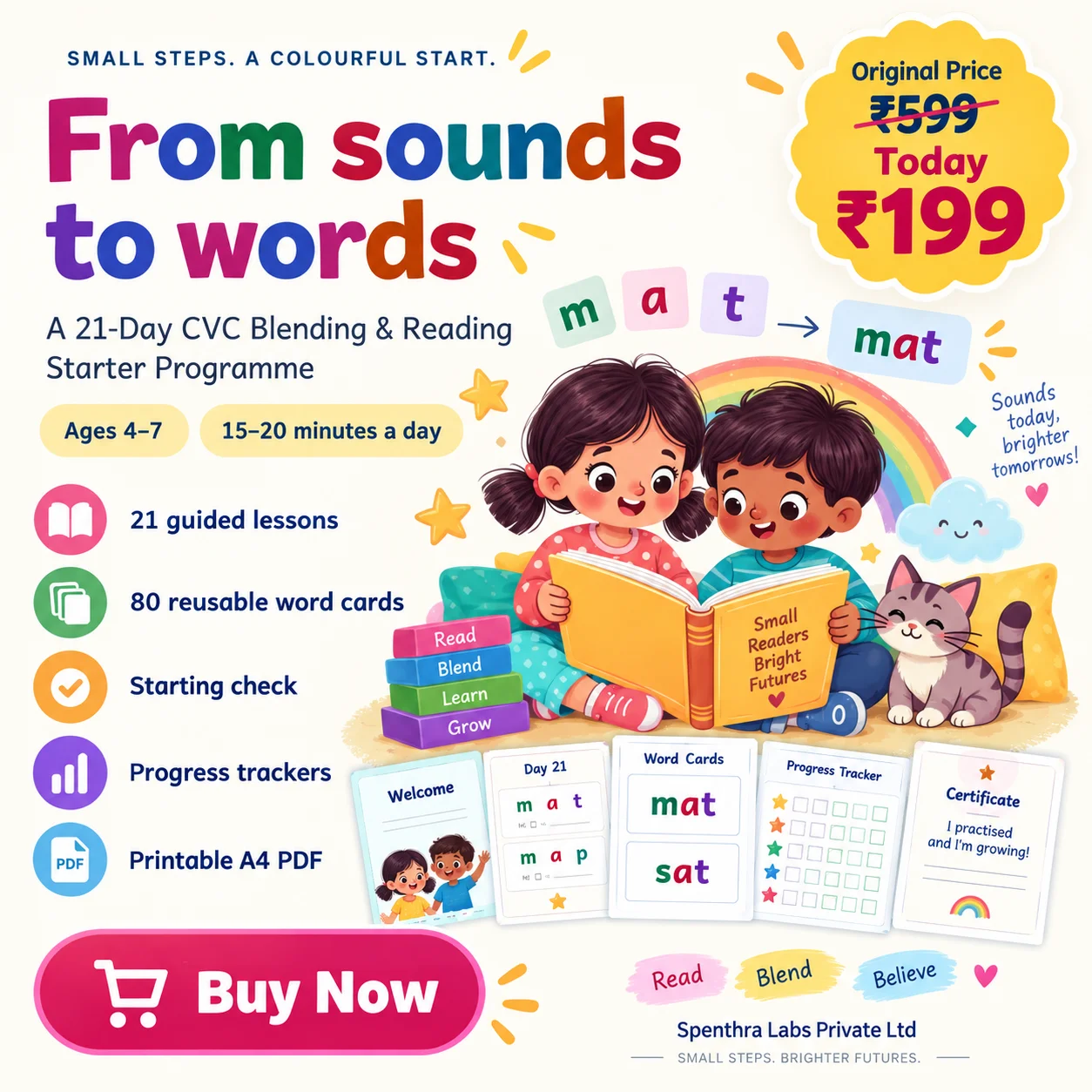
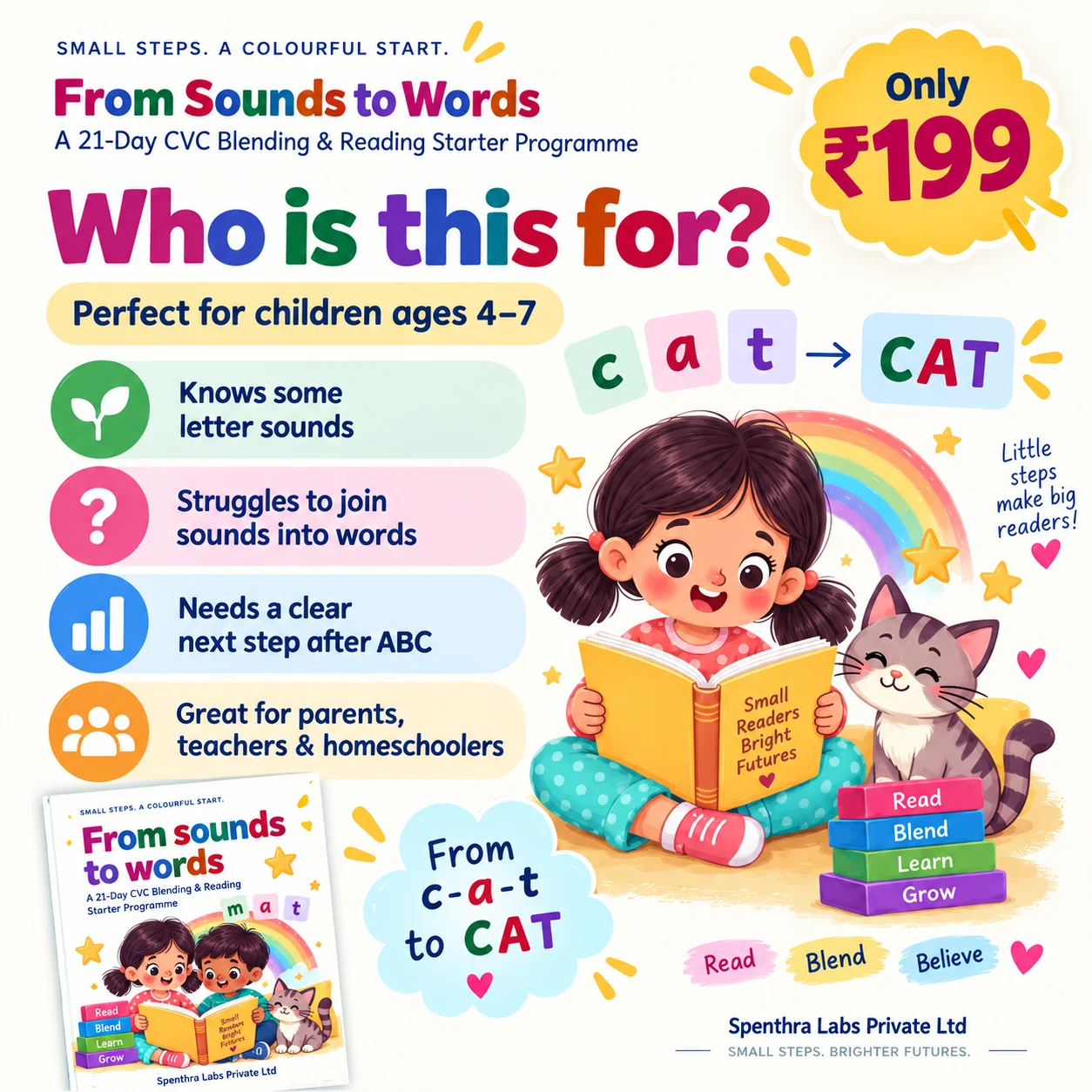
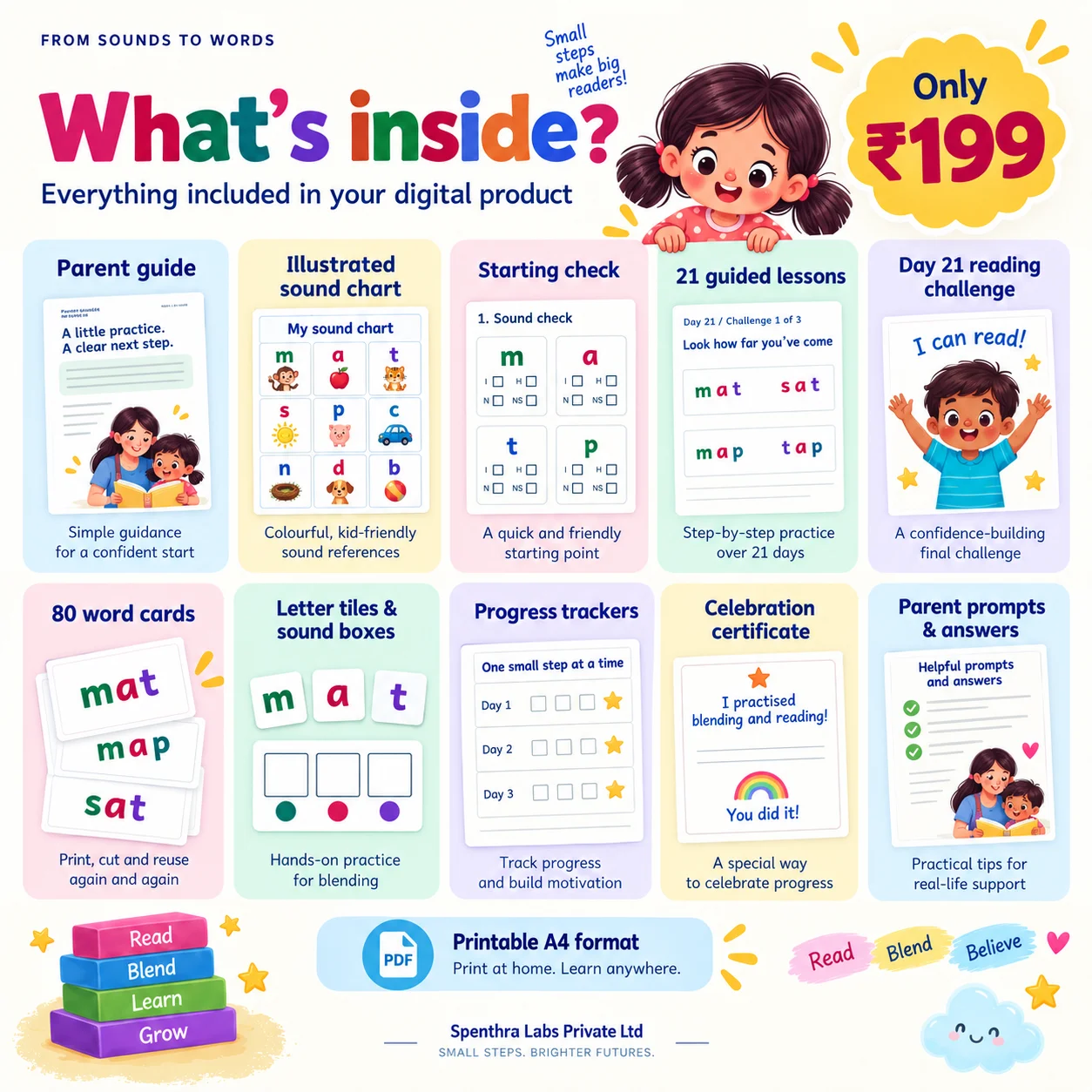
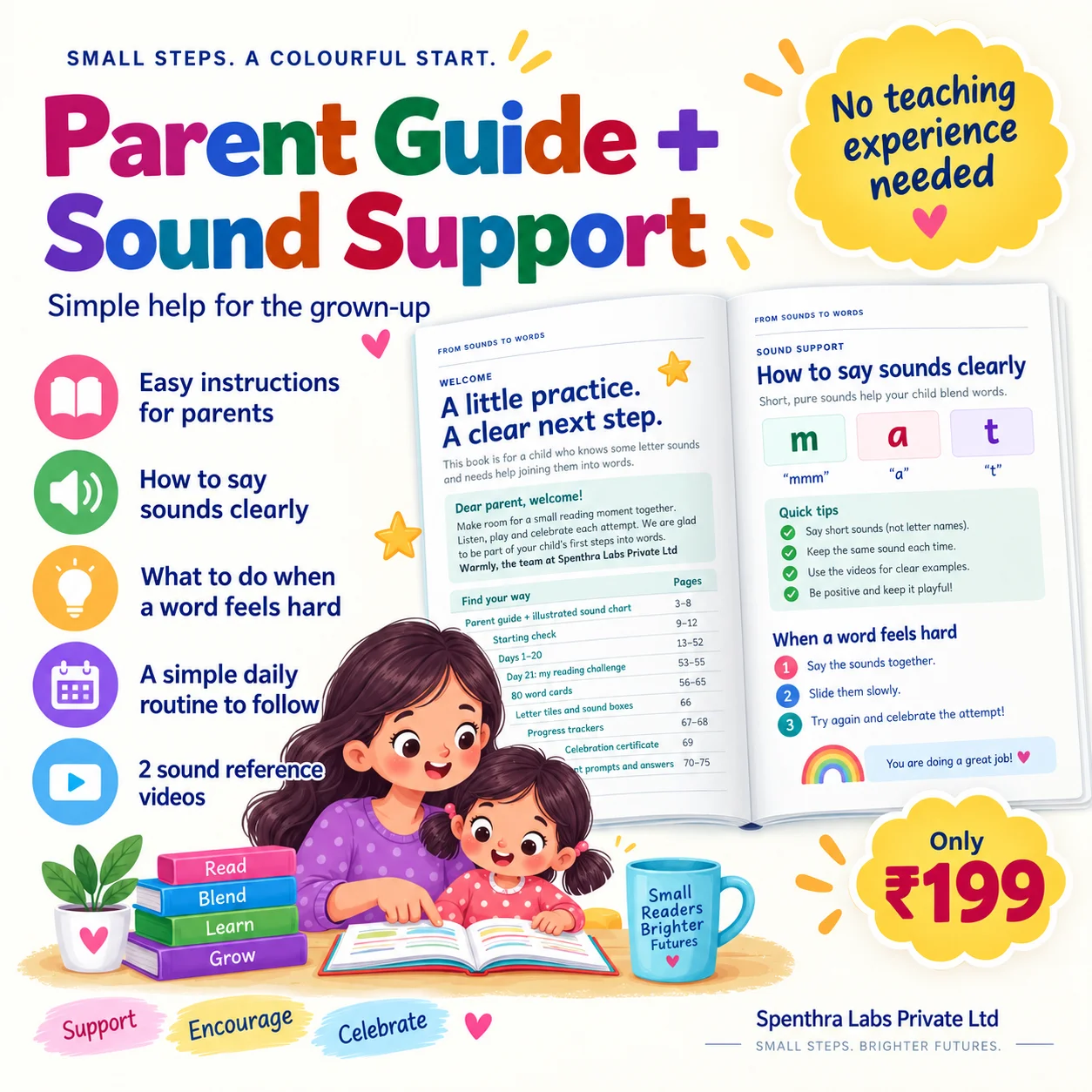
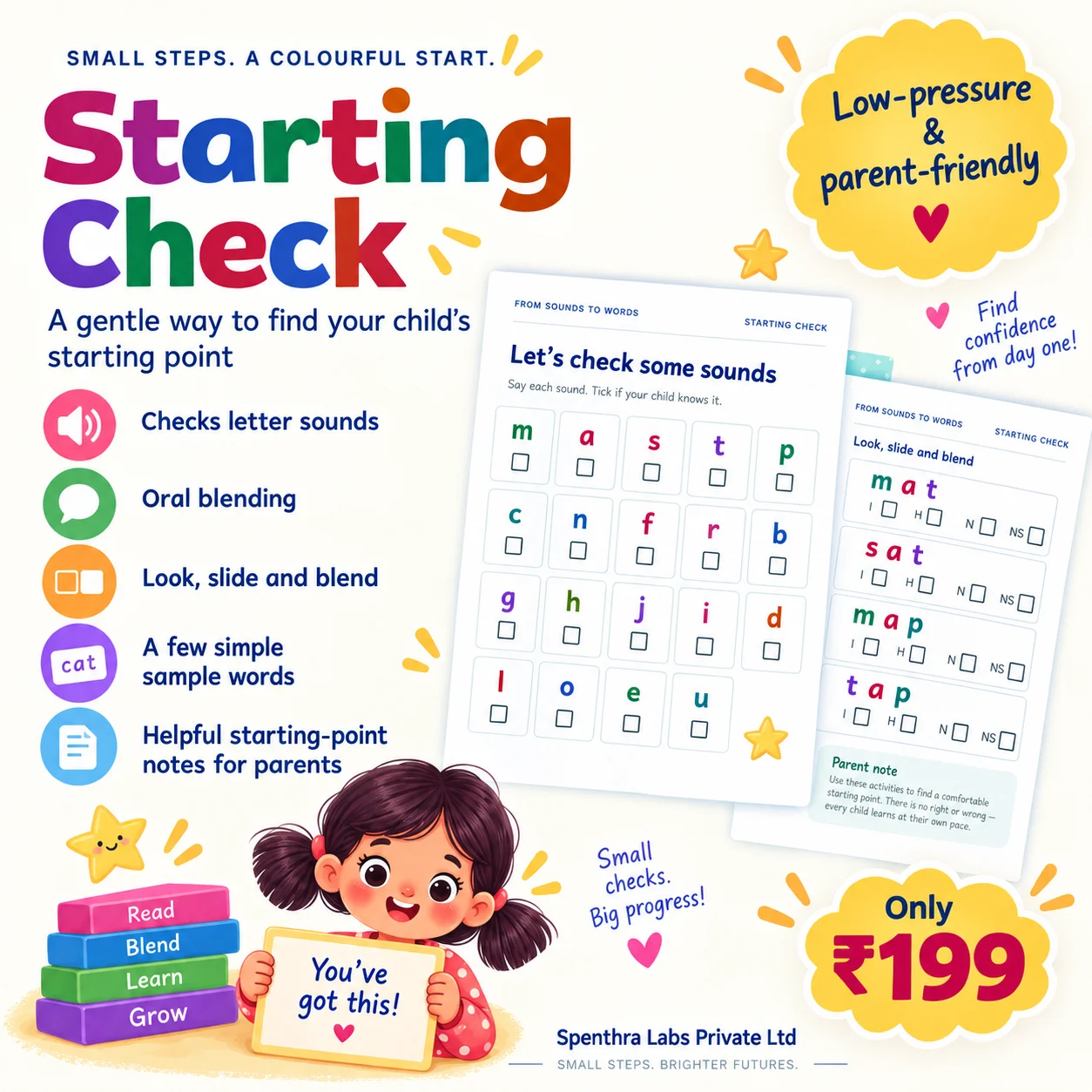
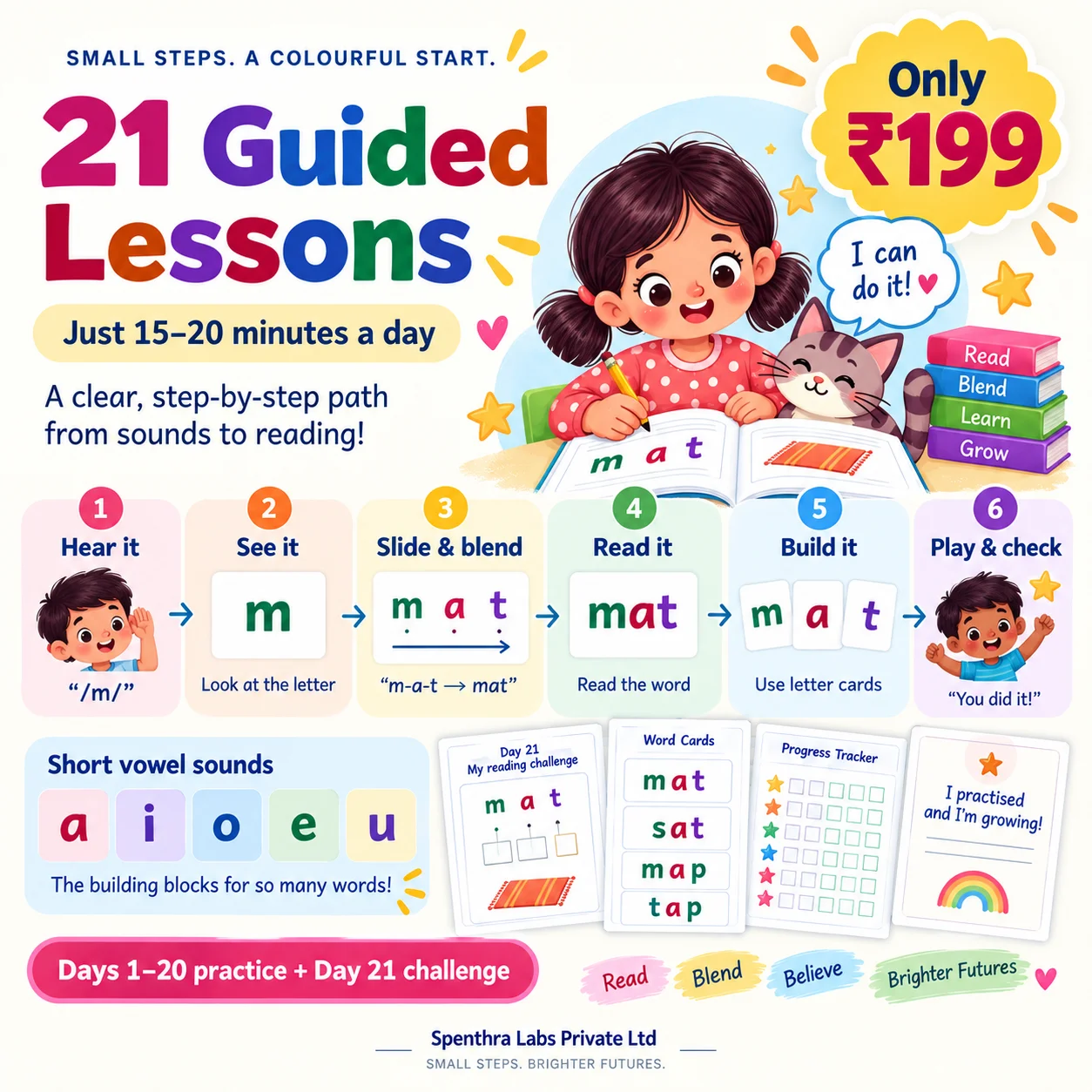
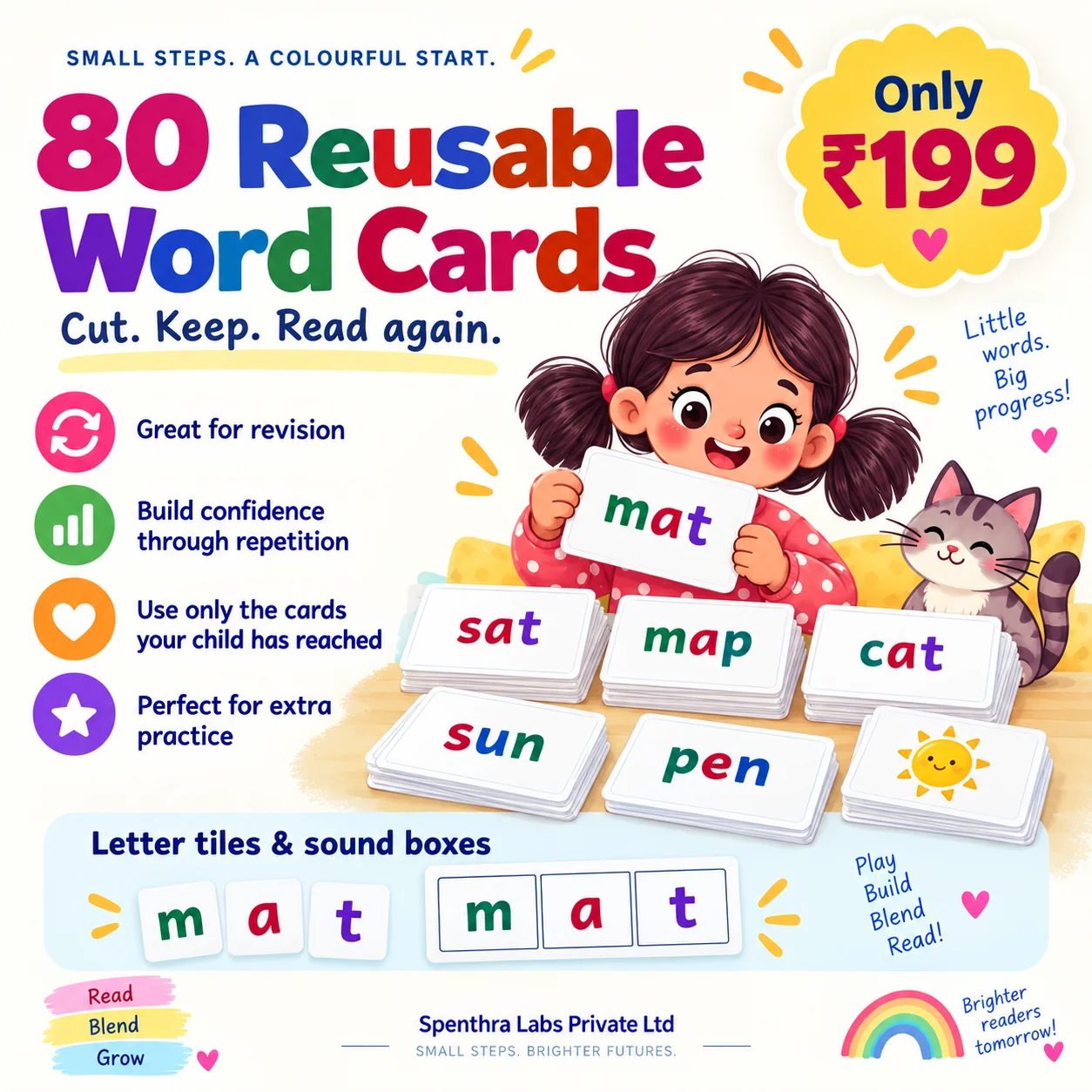
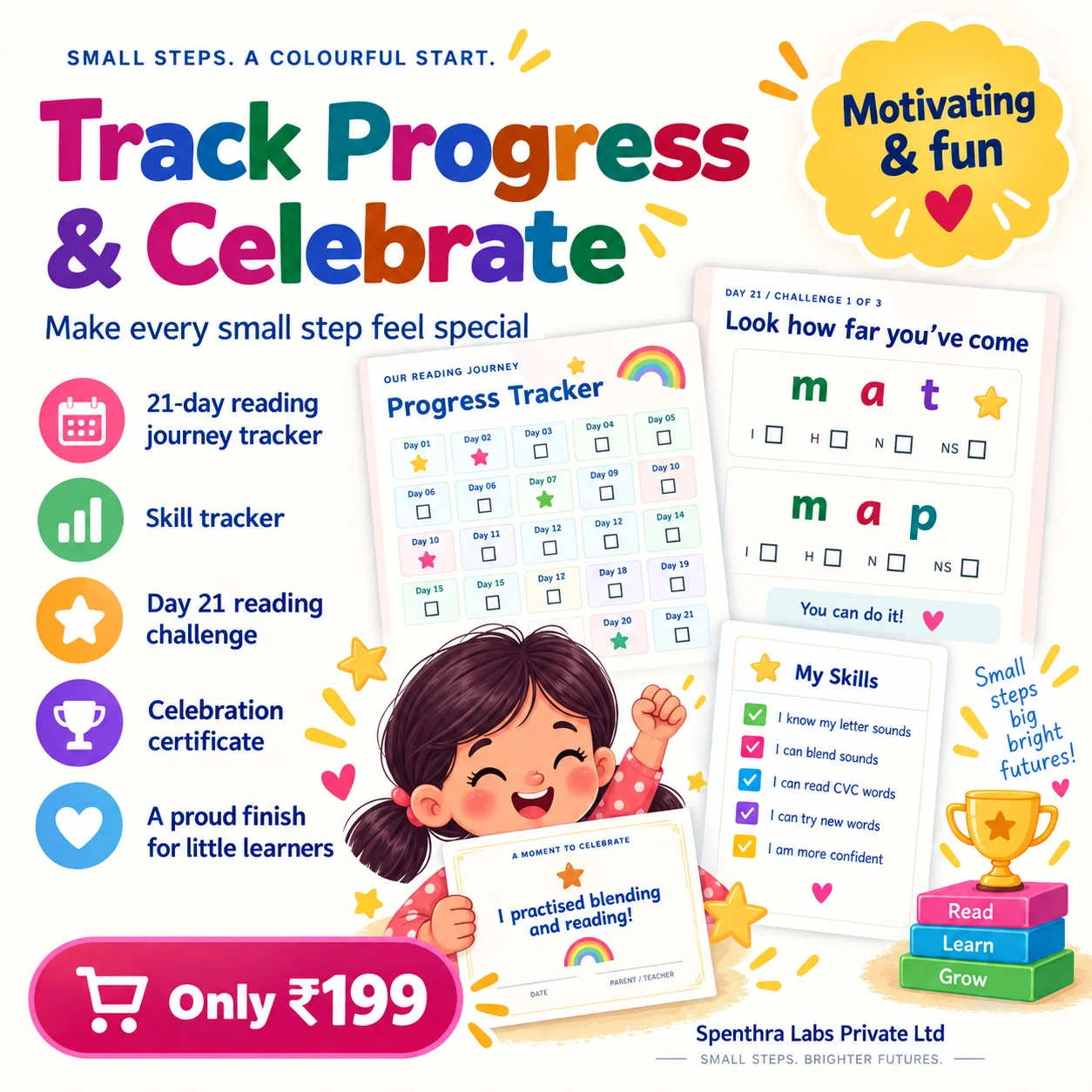
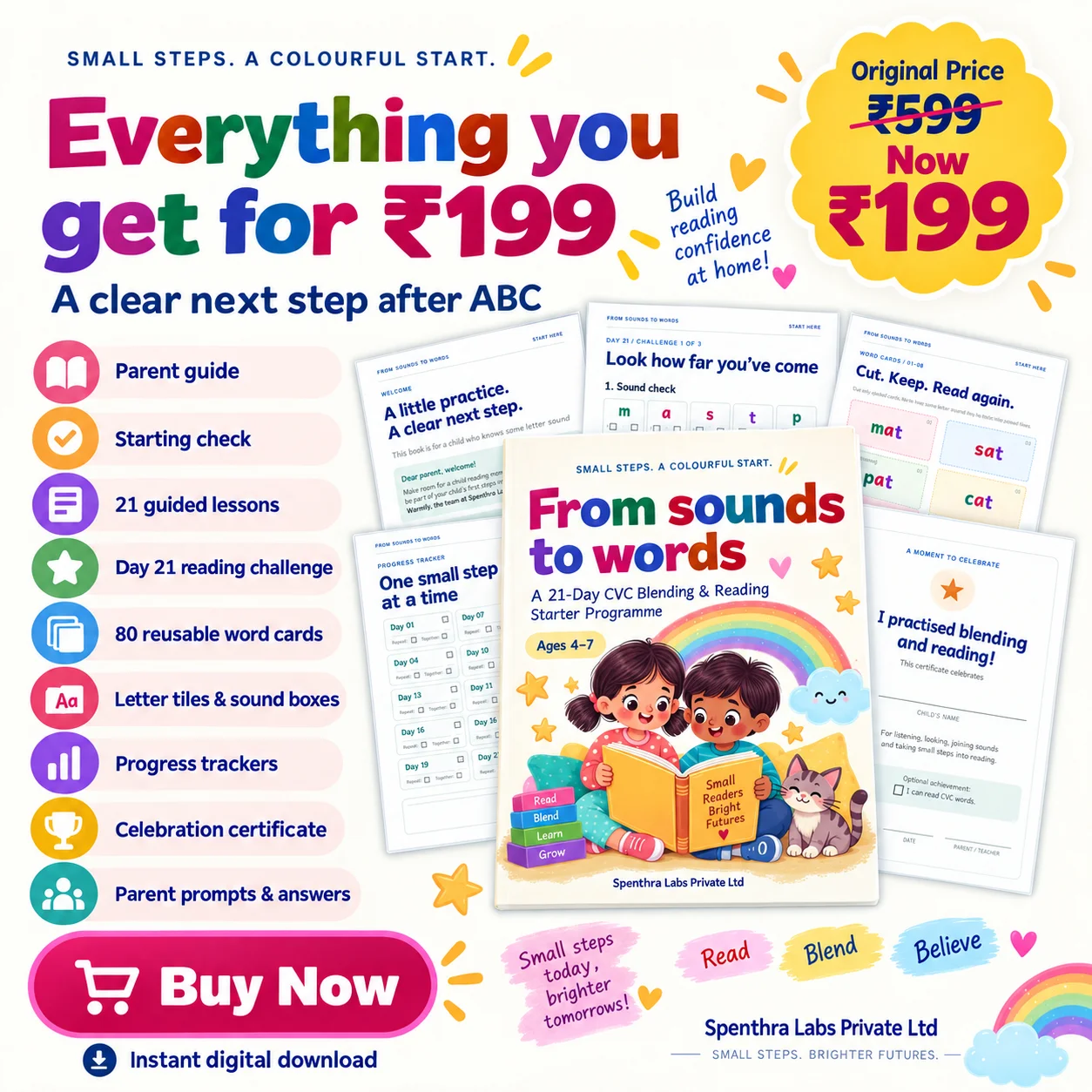
21 days of guided reading practice for little learners.

Ages 4–7 · English · Printable PDF

See More

From Sounds to Words

Free · no sign-up · unlimited

Crossword Puzzle Maker

Type your words and clues and get a proper interlocking crossword, numbered conventionally, with across and down clue lists and a solution page. Use it for vocabulary, revision, or any subject at all.

  • Your own words and clues, or a ready-made theme
  • Genuine interlocking grid, not a word list in boxes
  • Conventional numbering shared between across and down
  • Solution page and an optional word bank

How to get the most from these worksheets

A few things worth knowing before you print a stack of them.

Short words interlock better

A crossword is built by crossing words at shared letters, so a list of long words with few letters in common produces a sparse grid. Mixing in three and four letter words gives the builder more places to cross and yields a denser puzzle.

Write clues at the right level

For younger classes a definition is enough, such as a small furry pet. Cryptic or indirect clues turn a vocabulary exercise into a puzzle about the clue itself, which is a different skill.

Any word that will not fit is reported

If a word cannot cross anything already placed it is listed rather than silently dropped, so you always know exactly what the puzzle contains.

Clue writing is where the teaching happens

A crossword is only as good as its clues, and a definition clue tests recall of a word that has already been defined. A clue that describes the concept in different words makes the child translate between two ways of saying the same thing, which is comprehension rather than memory. The grid is scaffolding; the clues are the worksheet.

Crossing letters are a self-checking mechanism

The real educational advantage over a word list is that wrong answers announce themselves — a misspelled entry stops the crossing word from fitting. Children discover their own errors without being told, which is far more effective than correction. It also means spelling accuracy is enforced by the puzzle rather than by the marker.

Give a couple of answers away at the start

An empty grid with hard clues stalls; a grid with two or three letters already placed gives a foothold and the crossings do the rest. For younger children or a new topic, filling in the longest answer in advance changes the experience from daunting to solvable without making it trivial.

Vocabulary revision is the natural fit

Crosswords suit any subject where precise terms matter — science vocabulary, historical names, language learning. They are poor at anything numerical or procedural, because the answers have to be words that interlock. Choosing content that fits the format matters more than making the grid elegant.

Allow longer than you expect

Crosswords take considerably more time than a matching or fill-in-the-blank sheet on the same content, because solving is non-linear — children jump around, revise earlier answers and get stuck productively. That is a feature, but it makes them a poor choice for a ten-minute starter and a good one for sustained independent work.

What makes this different

Genuinely unlimited

No monthly cap and no premium tier. Make fifty worksheets in an afternoon if you need to.

Nothing is uploaded

Questions, names and PDFs are all built in your browser. No worksheet content is ever sent to a server.

Several exercises per sheet

Combine arithmetic, tracing and a quiz on one page instead of printing three separate worksheets.

Edit every question

Retype any question, replace just one, or delete it — your edits survive when you change the settings.

Frequently asked questions

Can I use my own words and clues?

Yes. Enter one per line as word = clue. Without a clue, a simple letter-count hint is generated.

How many words can a puzzle hold?

Up to twenty. How many actually place depends on shared letters, since words with common letters interlock more easily.

Is there a solution page?

Yes, the answer key fills the grid in.

Is it a real crossword?

Yes. Words genuinely interlock at shared letters and are numbered the conventional way, with across and down entries sharing a number when they start in the same square.

What makes a good crossword clue for children?

One that describes the concept in different words rather than repeating a definition they memorised. Restating the textbook definition tests recall; rephrasing it makes the child translate between two expressions of the same idea, which is comprehension.

Why are crosswords better than a vocabulary list?

Because the crossing letters check the answers. A misspelled entry blocks the word crossing it, so children find their own mistakes without being told — which teaches far more reliably than having an error marked for them.

What subjects suit crossword worksheets?

Anything where precise vocabulary matters: science terms, historical names, language learning, topic words. They work poorly for numerical or procedural content, since every answer has to be a word that interlocks with others.

How long does a crossword take to complete?

Longer than most worksheet types, because solving is non-linear — children jump between clues and revise earlier answers. Good for sustained independent work, poor as a short starter activity.

Related generators

Suitable grade levels