



Skip to content

From our digital bookshelf

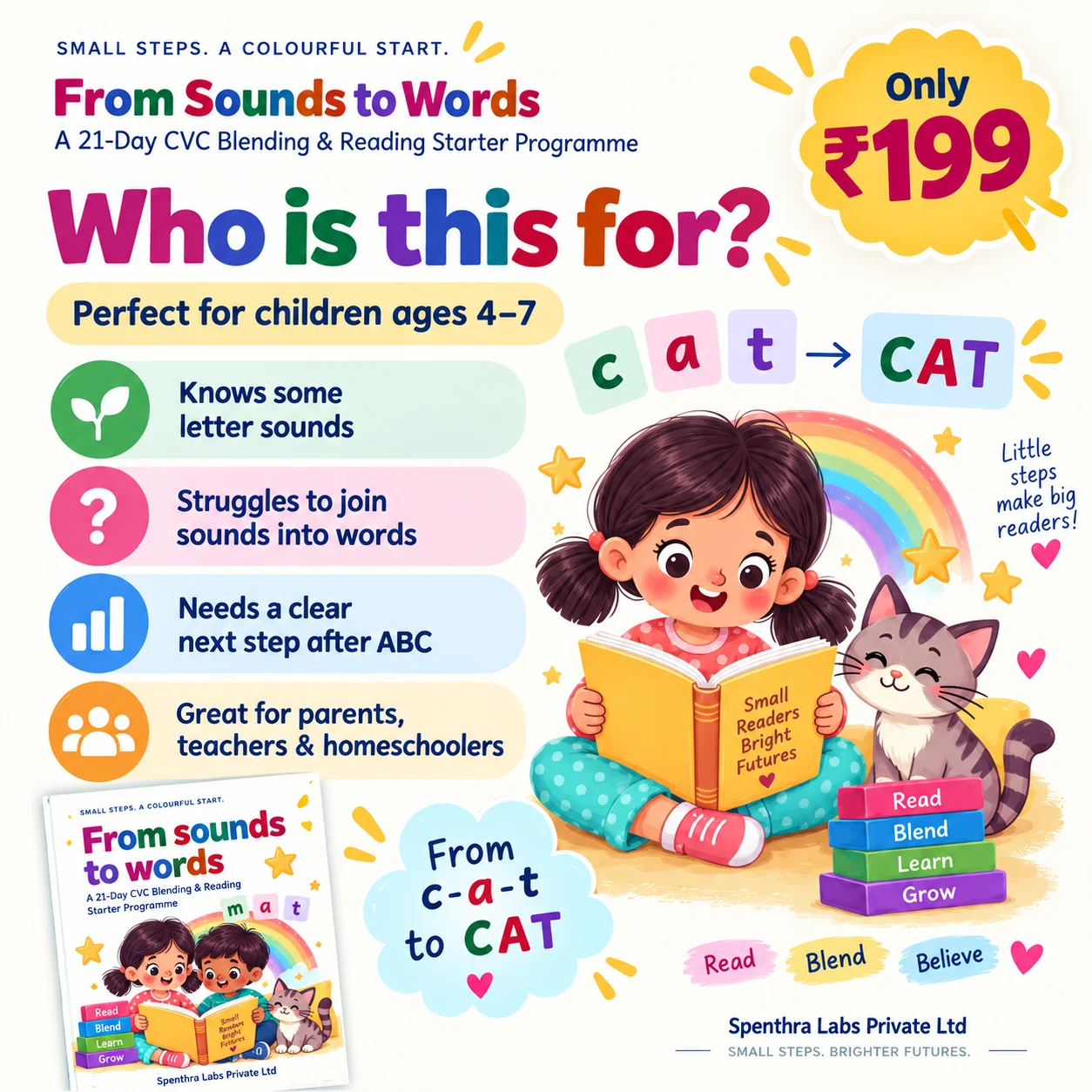
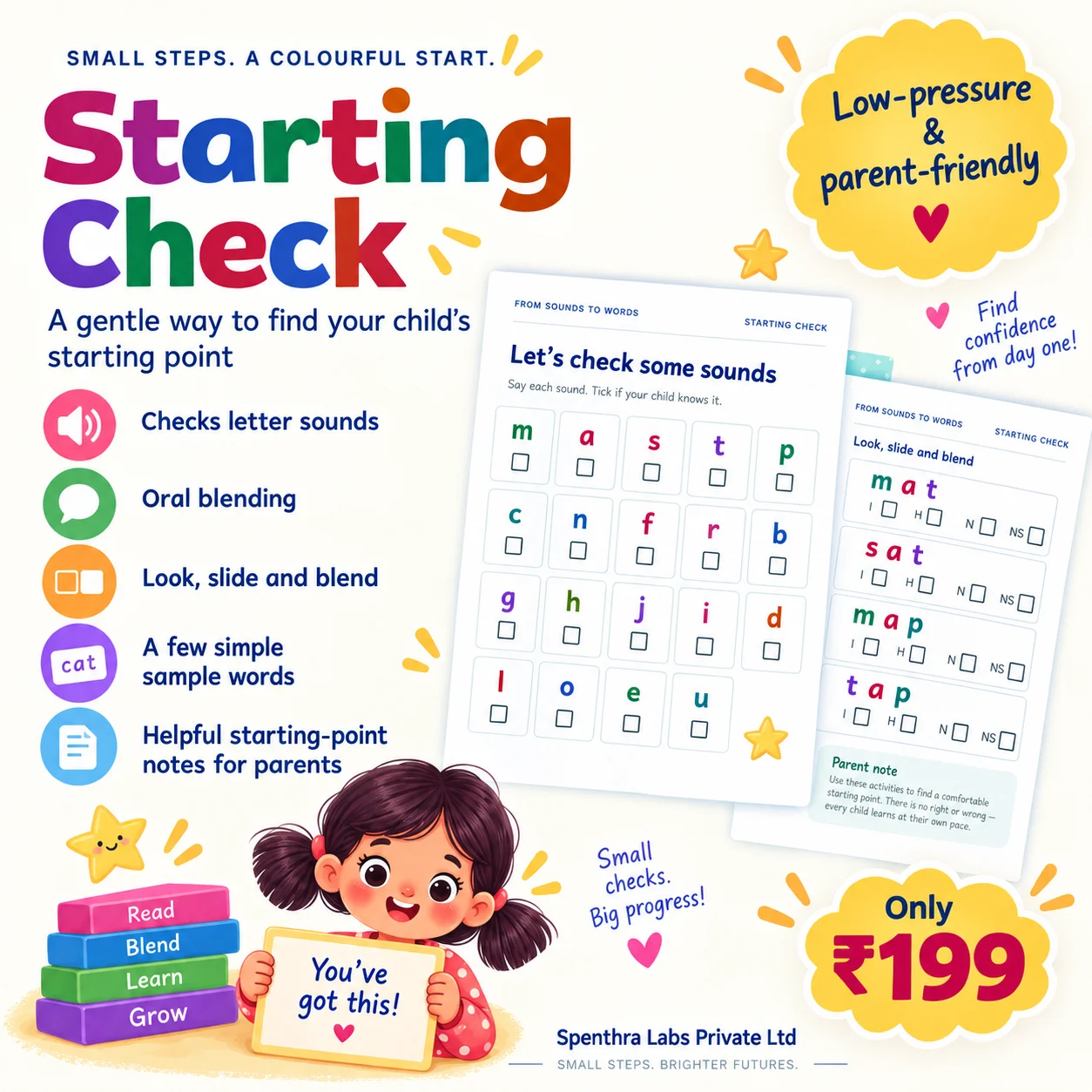
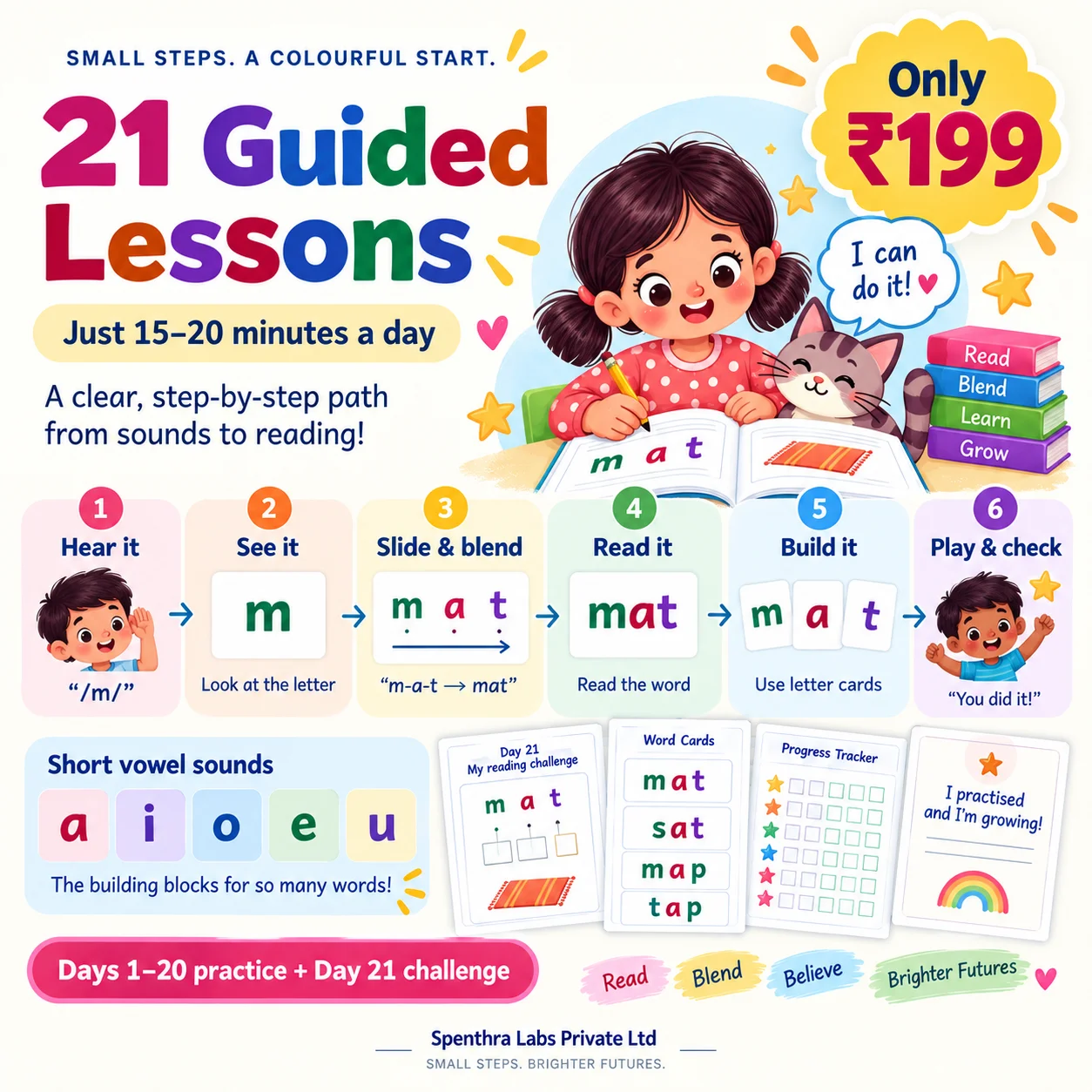
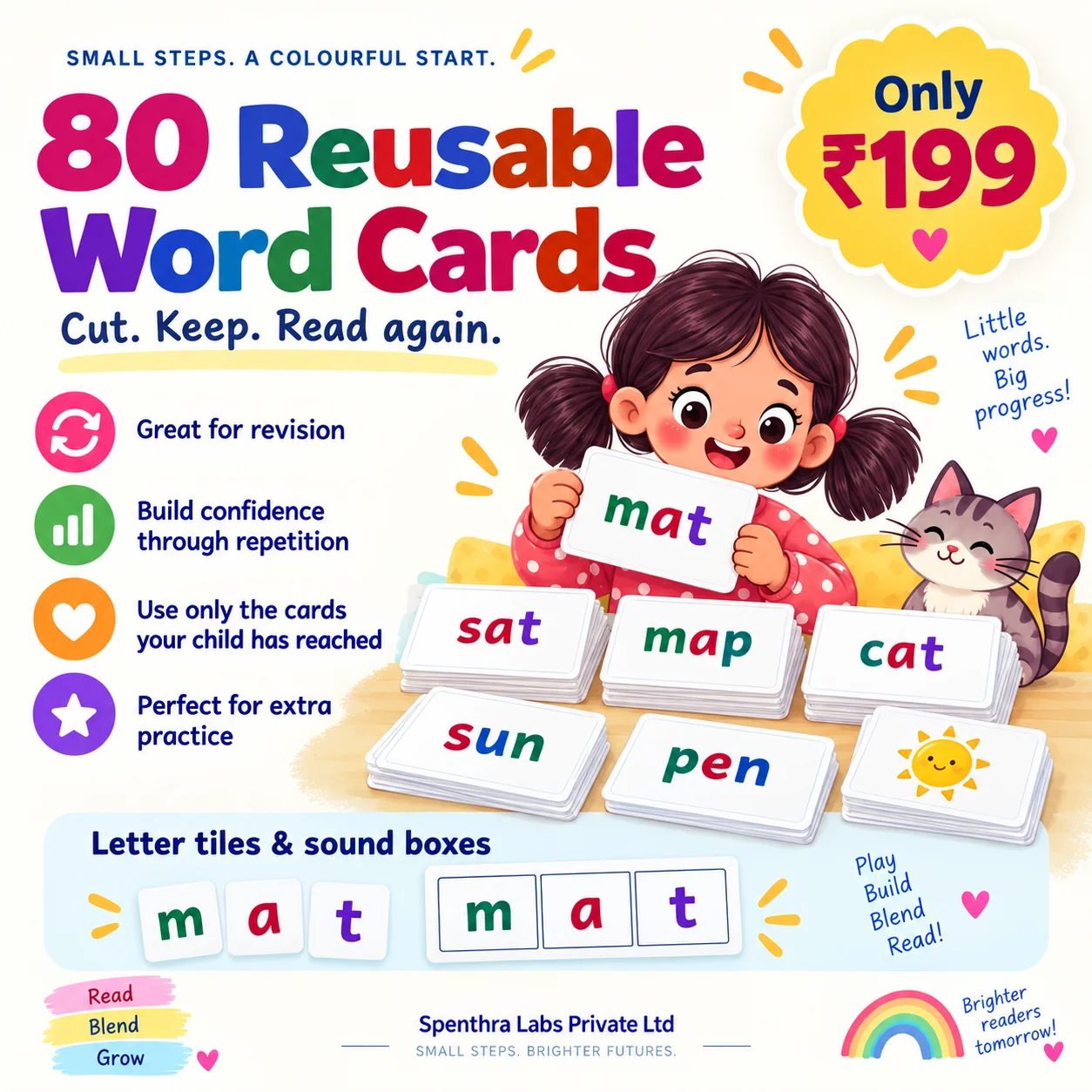
21 days of guided reading practice for little learners.

Ages 4–7 · English · Printable PDF

See More

From Sounds to Words

Free · no sign-up · unlimited

Addition and Subtraction Worksheet Generator

Mixed practice is where children show whether they truly read the sign or just repeat the last operation. This generator shuffles addition and subtraction together on one sheet, with the same control over carrying and borrowing.

  • Both operations shuffled on one sheet
  • Shared control over carrying and borrowing
  • Any number range from single digits upward
  • Free printable PDF with answers

How to get the most from these worksheets

A few things worth knowing before you print a stack of them.

Why mixing matters

On a page of pure addition a child can switch off and add everything. Mixed sheets force them to read each sign, which is exactly what tests and real problems require. It is normal for accuracy to drop when you first mix — that drop is the useful information.

Build it into a longer sheet

Add a second section of missing numbers or a short quiz below the mixed practice. One sheet that covers three skills is far more useful than three separate sheets.

Mixing operations tests reading, not arithmetic

A child who can add and subtract separately will still lose marks on a mixed sheet, and the reason is almost never the arithmetic. It is that they read the first sign, set their brain to add, and carry on adding down the page. Mixed practice is genuinely a different skill: it teaches the habit of reading each sign before starting. That habit is what the sheet is for, so treat errors as evidence about attention rather than about number work.

Alternate deliberately, then randomise

For a first mixed sheet, alternating strictly — add, subtract, add, subtract — is easier than it sounds and still breaks the autopilot, because the child has to switch every line. Once that is comfortable, random order is harder, since runs of three additions lull them back into assuming. Both are worth printing, in that order.

Watch for the sign being ignored under time pressure

If you are timing the sheet, expect sign errors to rise sharply, and expect them to cluster after a run of the same operation. That is not a reason to stop timing, but it is a reason to mark for sign errors separately from arithmetic errors. Two columns in your mark book tell you whether to work on facts or on care.

Mixed sheets are the right place for fact families

If a child knows that 8 + 5 = 13, they also know 13 − 5 = 8 — but only if they have been shown that these are one fact, not two. A mixed sheet where some pairs are related is a good way to test whether that connection exists. If they recall the addition instantly and count back for the subtraction, it does not yet.

Use a mixed sheet to end a unit, not to start one

Mixed practice is assessment more than instruction. It tells you what is secure after teaching, and it is poor at teaching anything new, because a child who is unsure of a method gets no run of practice at it before the operation changes. Teach each operation on its own sheet; use mixed sheets to check what survived.

What makes this different

Genuinely unlimited

No monthly cap and no premium tier. Make fifty worksheets in an afternoon if you need to.

Nothing is uploaded

Questions, names and PDFs are all built in your browser. No worksheet content is ever sent to a server.

Several exercises per sheet

Combine arithmetic, tracing and a quiz on one page instead of printing three separate worksheets.

Edit every question

Retype any question, replace just one, or delete it — your edits survive when you change the settings.

Frequently asked questions

Can I set how many are addition versus subtraction?

The two operations are shuffled evenly. For a specific split, add two sections — one addition, one subtraction — and set the count on each.

Can I put other exercises on the same sheet?

Yes. Use “Add another exercise” to place missing numbers, a quiz or a word search on the same worksheet.

Why do children get more wrong on mixed worksheets?

Almost always because they stop reading the signs. Having done three additions they assume the fourth, and their arithmetic is fine while their answer is wrong. It is worth marking sign errors separately, because they call for a different response from genuine number-fact errors.

Can I control how many are additions and how many subtractions?

The generator mixes both operations across the sheet. If you want a specific balance, build two blocks — one addition, one subtraction — onto the same page, which also lets you set a different number range for each.

When should children start mixed addition and subtraction?

Once each operation is secure on its own, usually around six to seven for single digits. Introducing mixed sheets before either method is fluent tends to produce frustration rather than the reading habit the sheet is meant to build.

Are these the same as fact family worksheets?

Related but not the same. A mixed sheet has unconnected problems in both operations; a fact family sheet uses number trios where the additions and subtractions are the same relationship seen from different sides. The generator has a separate fact family type for that.

Related generators

Suitable grade levels