Skip to content

From our digital bookshelf

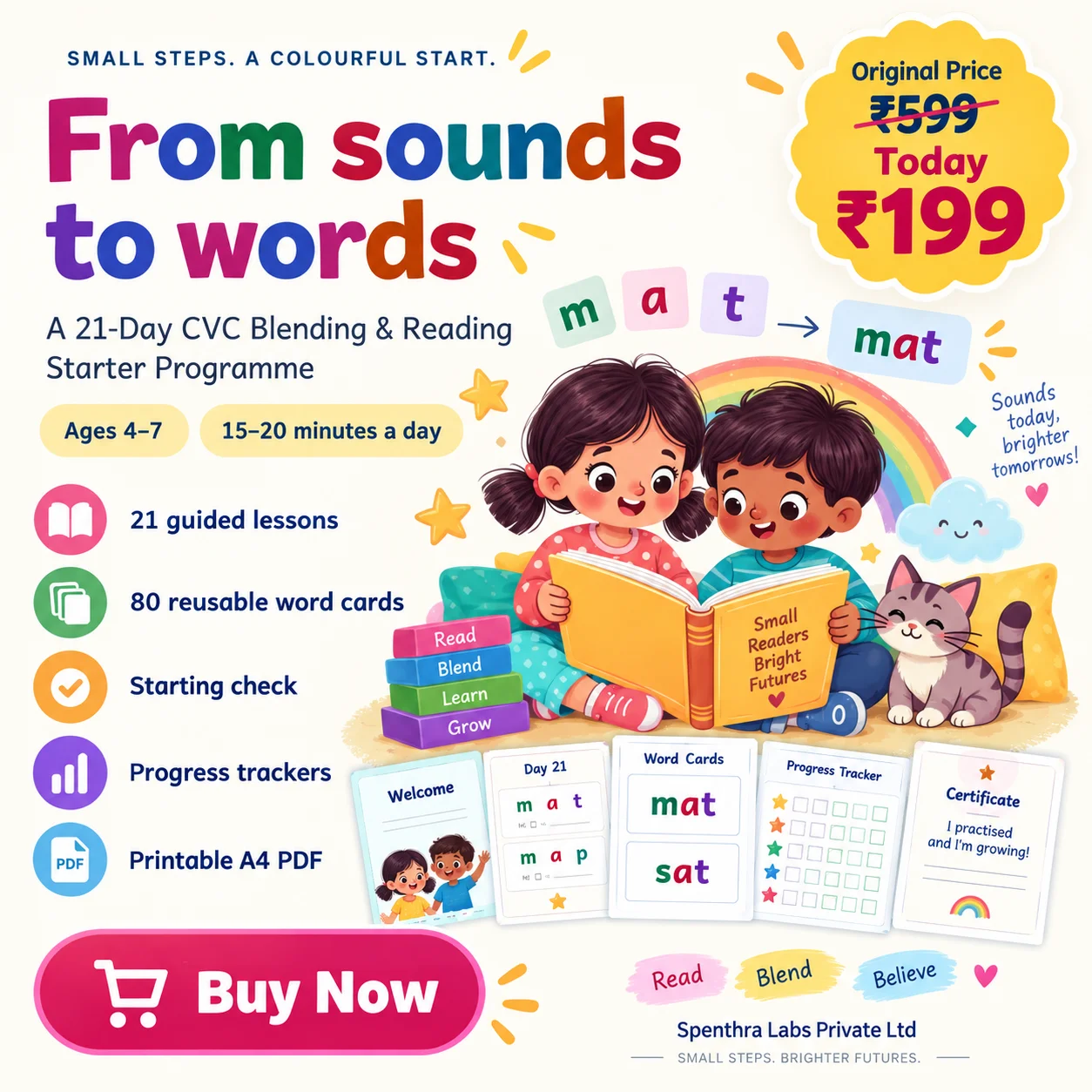
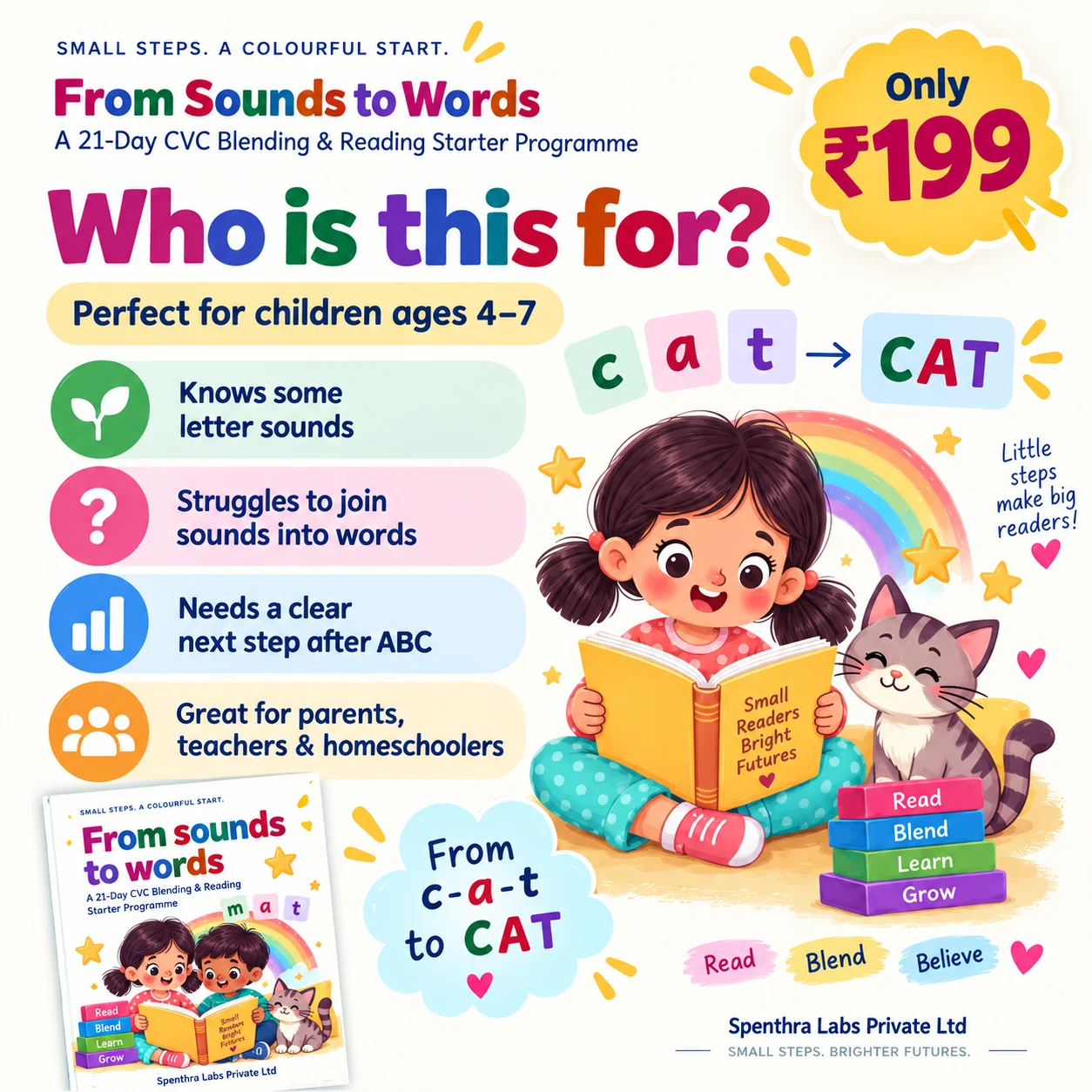
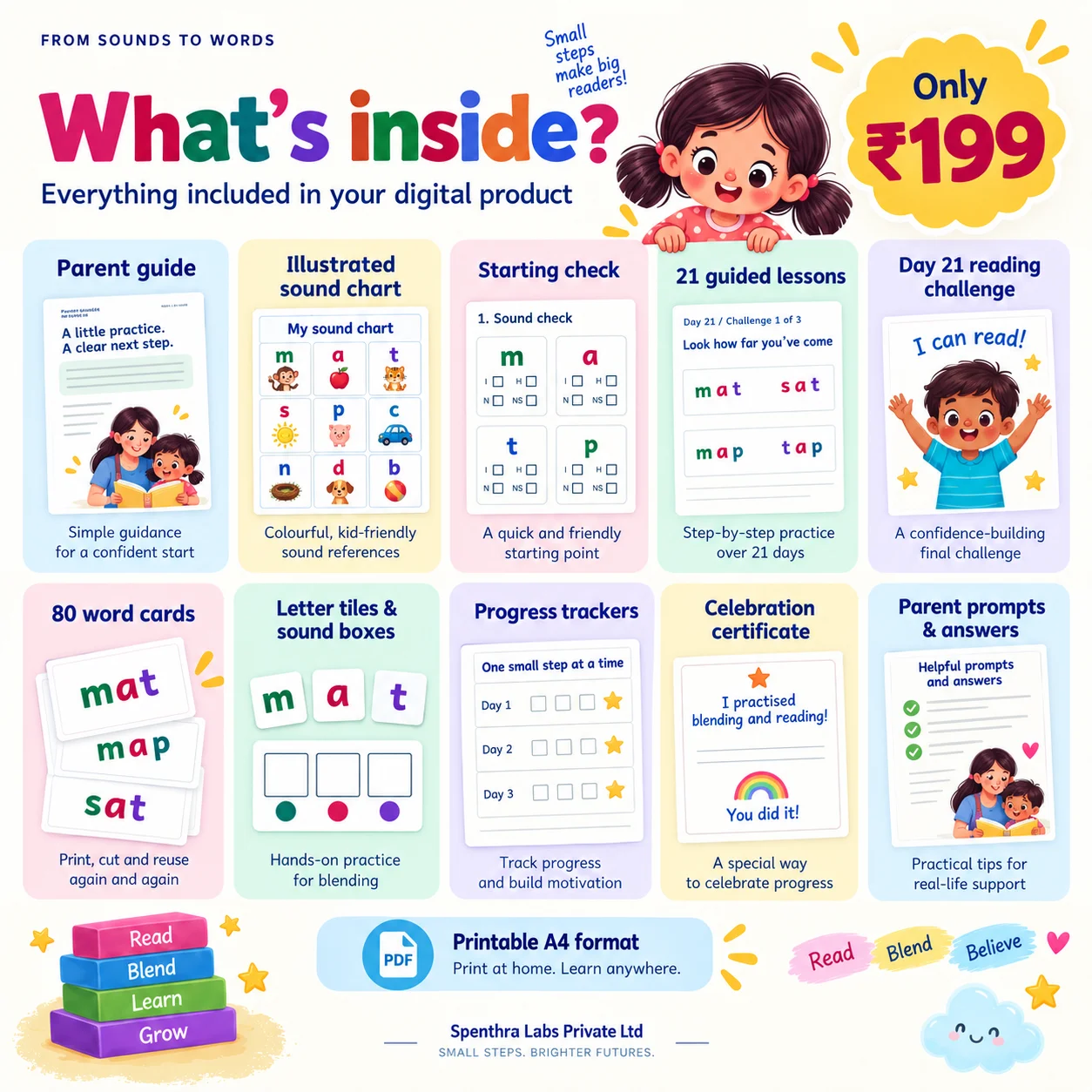
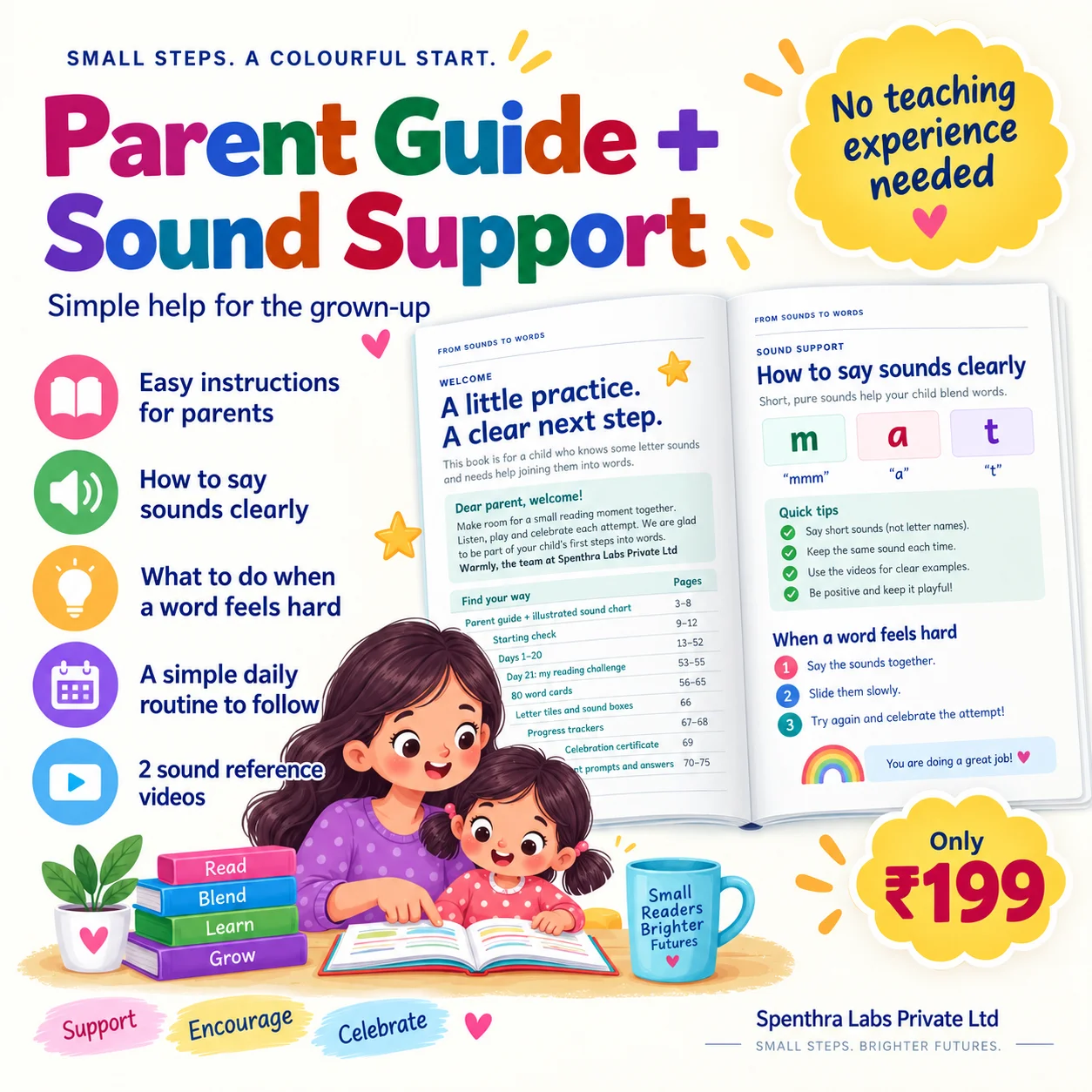
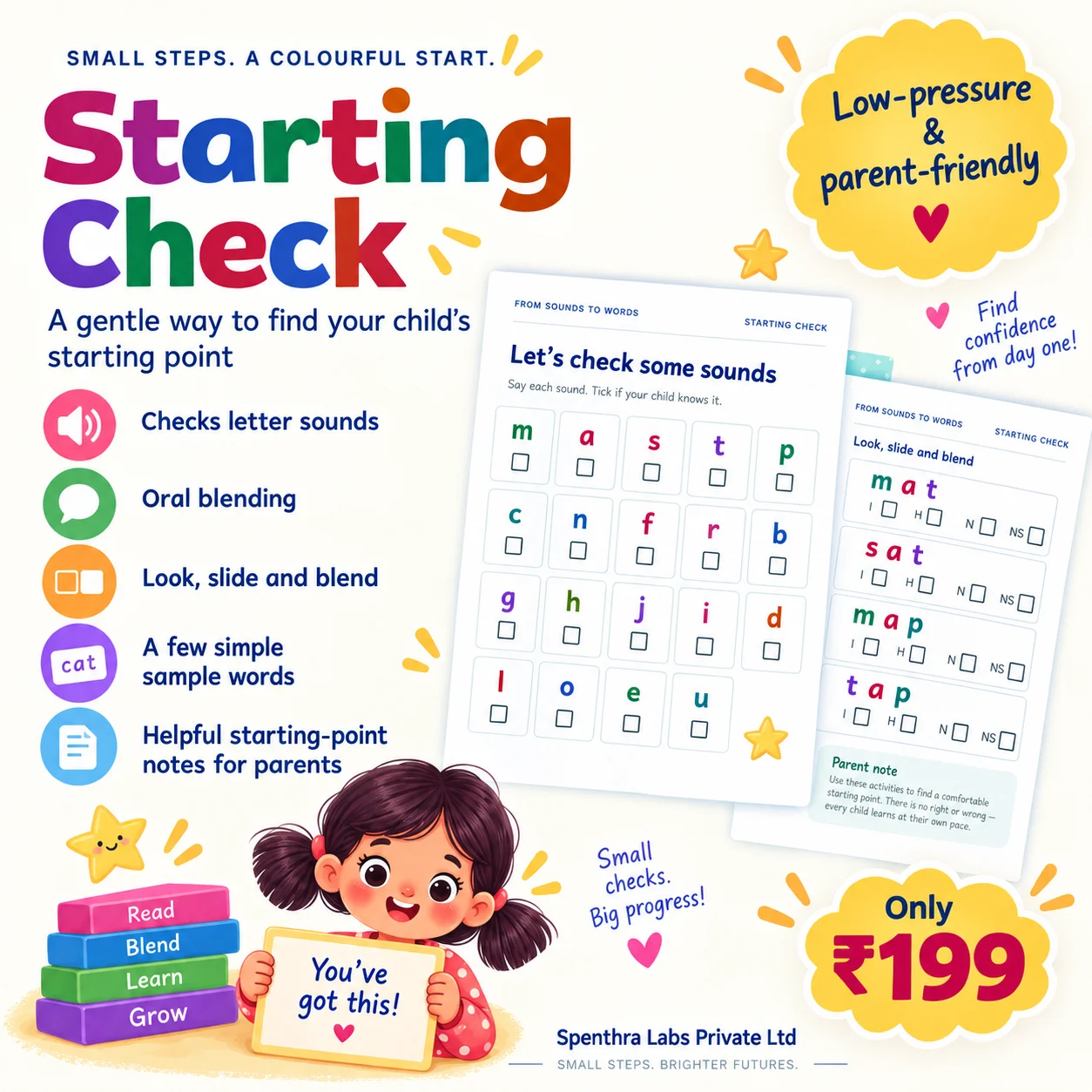
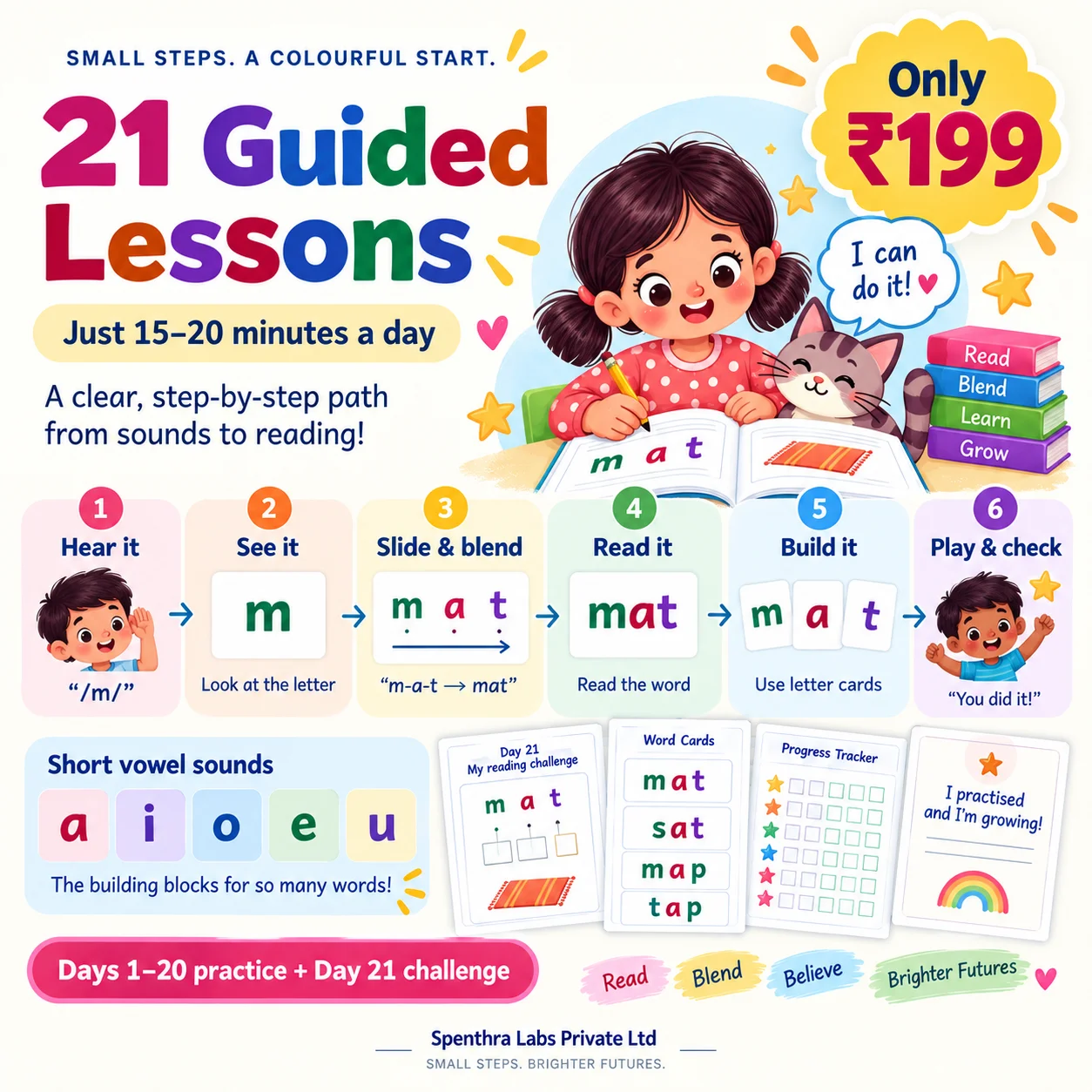
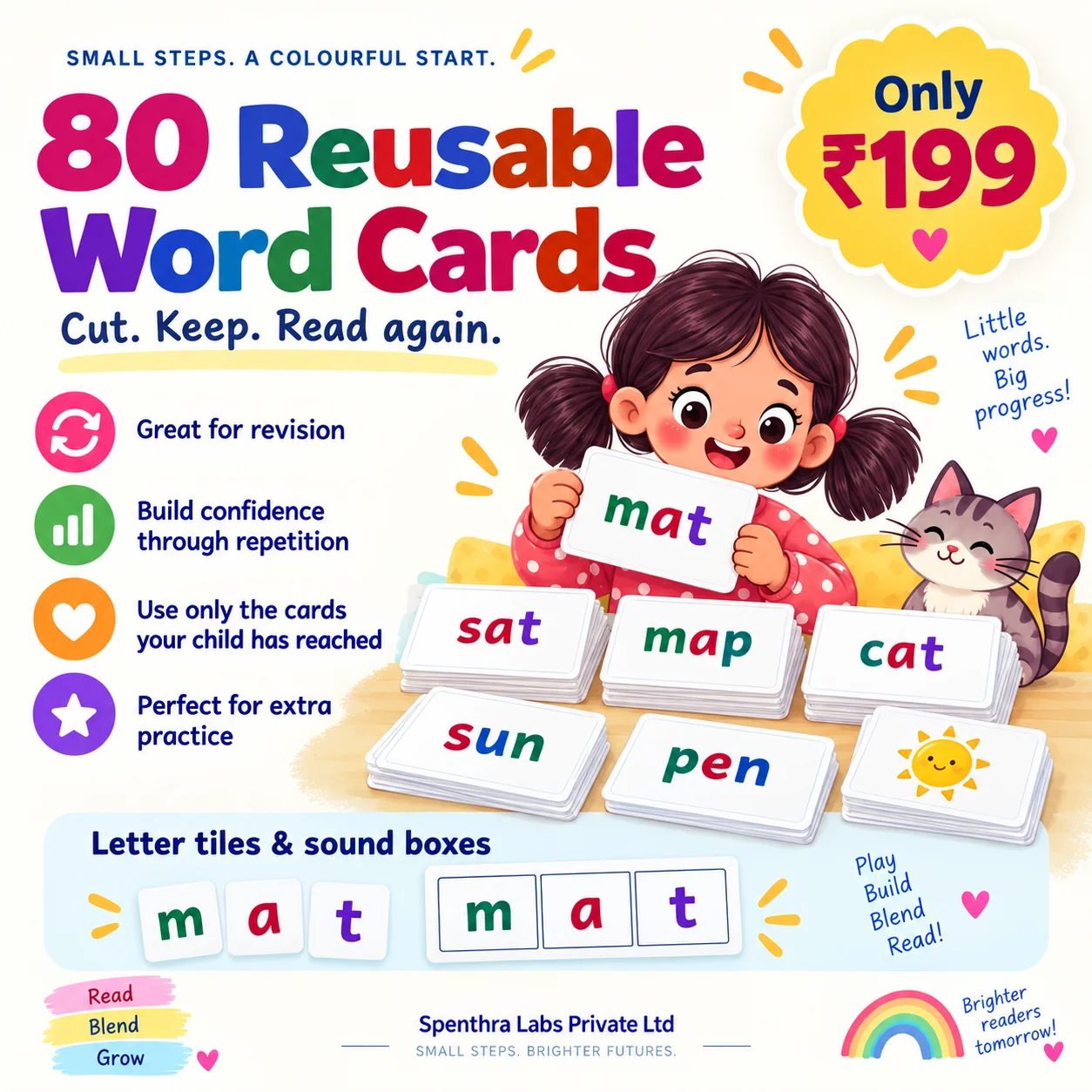
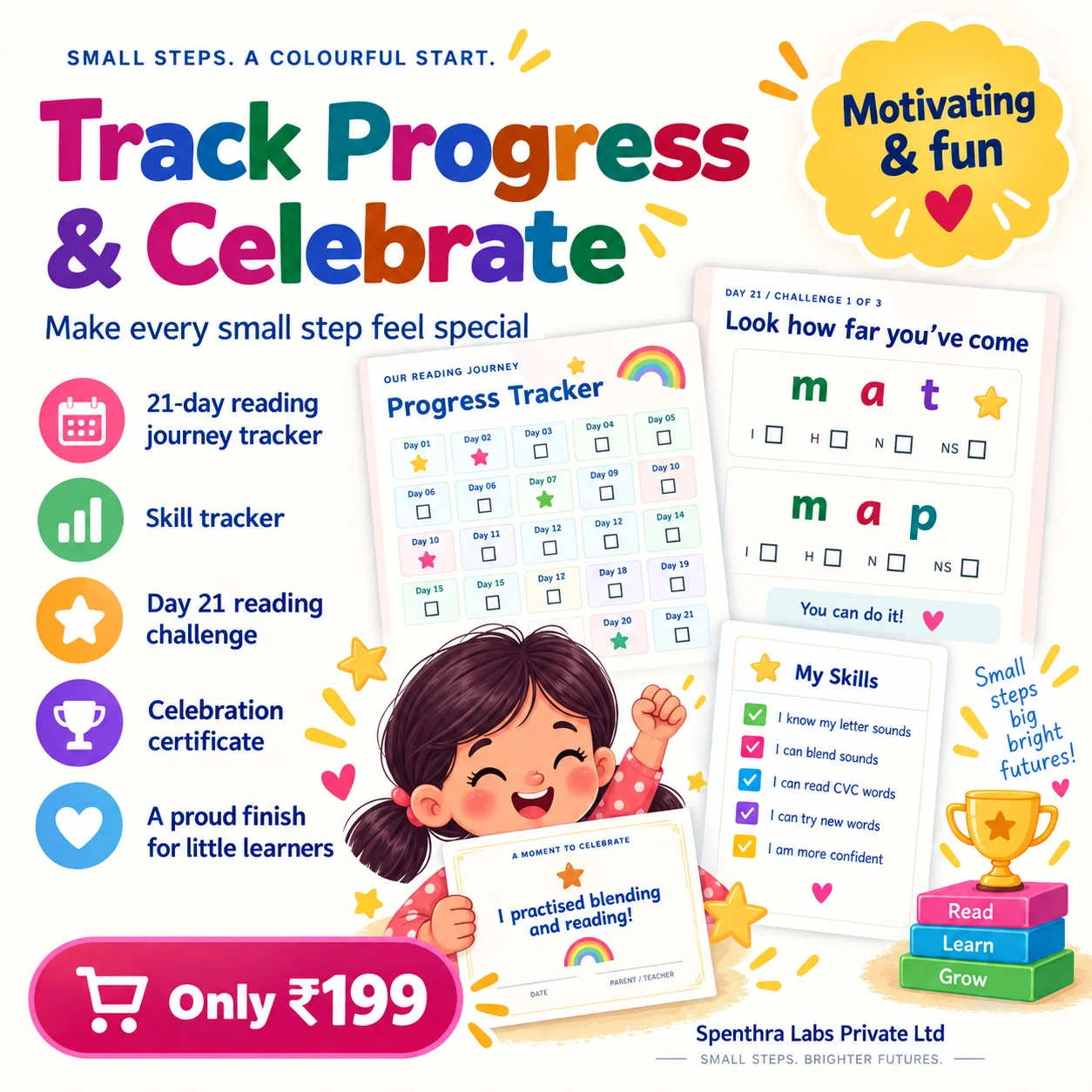
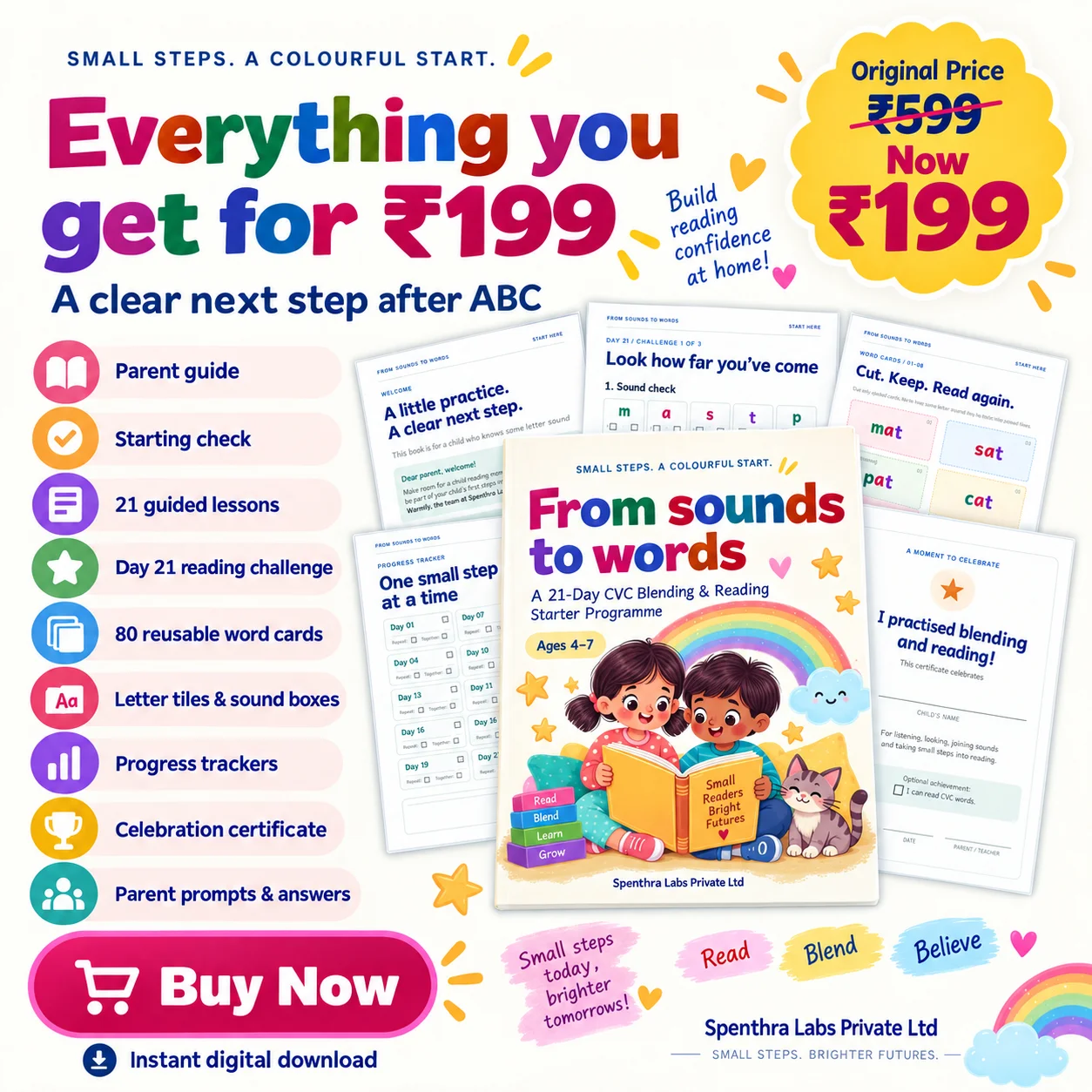
21 days of guided reading practice for little learners.

Ages 4–7 · English · Printable PDF

See More

From Sounds to Words

Free · no sign-up · unlimited

Picture Question Worksheet Generator

Counting and early arithmetic with pictures instead of numerals — the right starting point for preschool and kindergarten. All artwork is drawn as vectors, so it stays sharp however large you print it.

  • Count and write, add or subtract groups, or compare two sets
  • Ten picture sets — apples, stars, hearts, fish, balloons and more
  • Vector artwork that never looks blurry when printed
  • Colour-the-number activities for the youngest children

How to get the most from these worksheets

A few things worth knowing before you print a stack of them.

Pictures come before numerals

A child who can count seven apples but cannot answer “7 − 3” has not failed at subtraction — they have not yet connected the numeral to the quantity. Picture subtraction, where they cross out objects and count what remains, builds that bridge.

Vary the arrangement

Children who always see objects in neat rows learn to count by pattern rather than by one-to-one correspondence. Mixing group sizes forces genuine counting.

Counting objects and knowing the total are different

A child who counts one, two, three, four, five correctly and then cannot say how many there are has not yet grasped cardinality — that the last number named is the answer, not just the end of a sequence. It is one of the genuinely important milestones in early number, and picture counting is where it shows up. Ask how many after every count, not just at the end of the page.

Scatter the objects rather than lining them up

Objects in a neat row are easy to count because keeping track is easy. Scattered ones require a strategy — working left to right, or marking off what has been counted — and that strategy is the skill worth building. A child who is accurate in rows and unreliable when scattered has a tracking problem rather than a counting one.

Subitising is worth practising separately

Recognising three or four objects at a glance, without counting, is a distinct ability and it underpins later fluency. Small groups arranged the way dice arrange them are recognised faster than the same number scattered, which is why dice patterns are worth using deliberately. A child who always counts, even to three, is missing something worth teaching directly.

Mixed pictures make the count a decision

A page of one kind of object asks only how many. A page with two kinds asks how many of each, which requires sorting before counting and is meaningfully harder. It is also the beginning of data handling — sort, count, compare — and a natural bridge to simple graphs.

Keep quantities under ten at first

Beyond about ten, accuracy is limited by tracking rather than by counting, and errors stop telling you anything about number understanding. Stay small while cardinality and one-to-one correspondence are being established, and raise the count only once those are reliable.

What makes this different

Genuinely unlimited

No monthly cap and no premium tier. Make fifty worksheets in an afternoon if you need to.

Nothing is uploaded

Questions, names and PDFs are all built in your browser. No worksheet content is ever sent to a server.

Several exercises per sheet

Combine arithmetic, tracing and a quiz on one page instead of printing three separate worksheets.

Edit every question

Retype any question, replace just one, or delete it — your edits survive when you change the settings.

Frequently asked questions

Which pictures can I use?

Apples, stars, hearts, flowers, balloons, fish, leaves, and plain circles, squares and triangles. Pick any combination, or leave it on the default child-friendly mix.

Will the pictures print clearly?

Yes. Every picture is a vector path, not a photo, so it prints at the full resolution of your printer with no blurring.

Is this suitable for preschool?

Yes — this is one of the best types for ages three to five. Set the grade to Preschool for larger pictures and text.

What age are picture counting worksheets for?

Three to six, broadly. The early stage is one-to-one correspondence — one number word per object — and the later one is cardinality, understanding that the last number counted is the total. Both develop well before formal arithmetic.

Why does my child count correctly but not know the total?

Because counting the sequence and understanding that it answers how many are separate steps. Reciting one to five accurately and then recounting when asked the total is completely normal, and it resolves with practice at being asked the question.

Should objects be arranged in a row or scattered?

Both. Rows are easier because keeping track is easy; scattered arrangements require a strategy for remembering what has been counted, which is the more valuable skill. Accuracy in rows but not when scattered points to tracking rather than counting.

What is subitising?

Recognising a small quantity instantly without counting — seeing three dots and knowing it is three. It underpins later number fluency, and it is worth practising on purpose, since a child who counts even to three is missing a shortcut they could have.

Related generators

Suitable grade levels