Skip to content

From our digital bookshelf

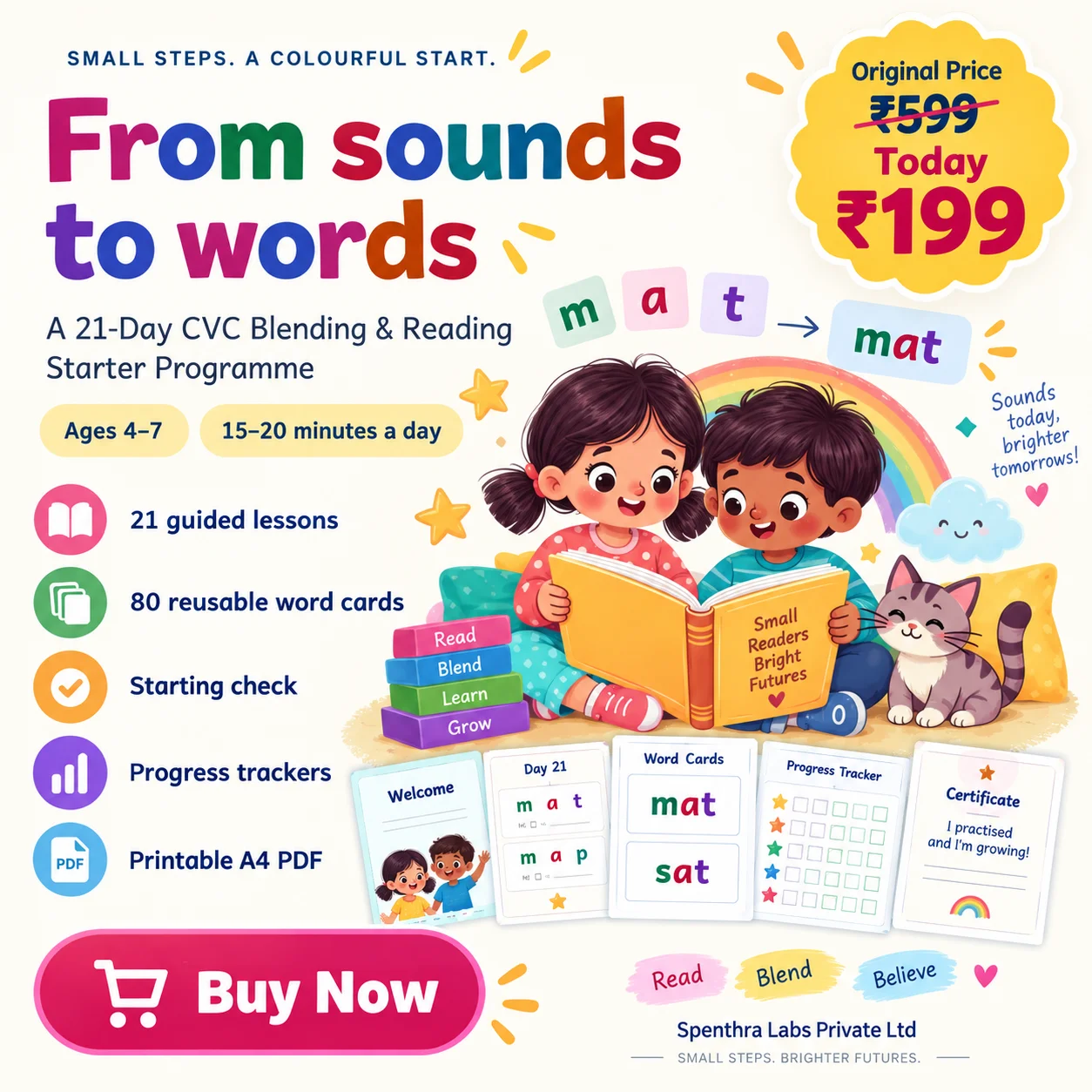
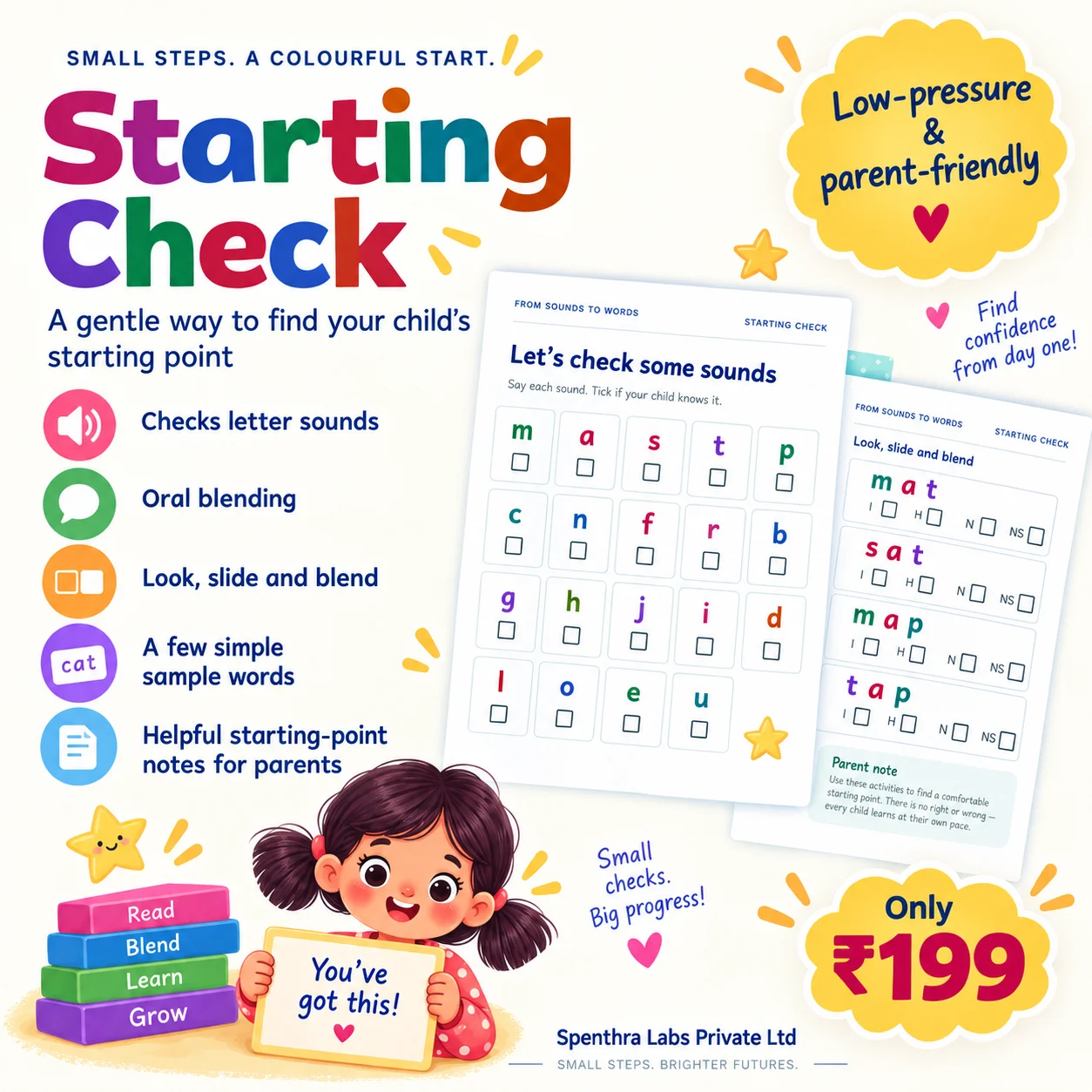
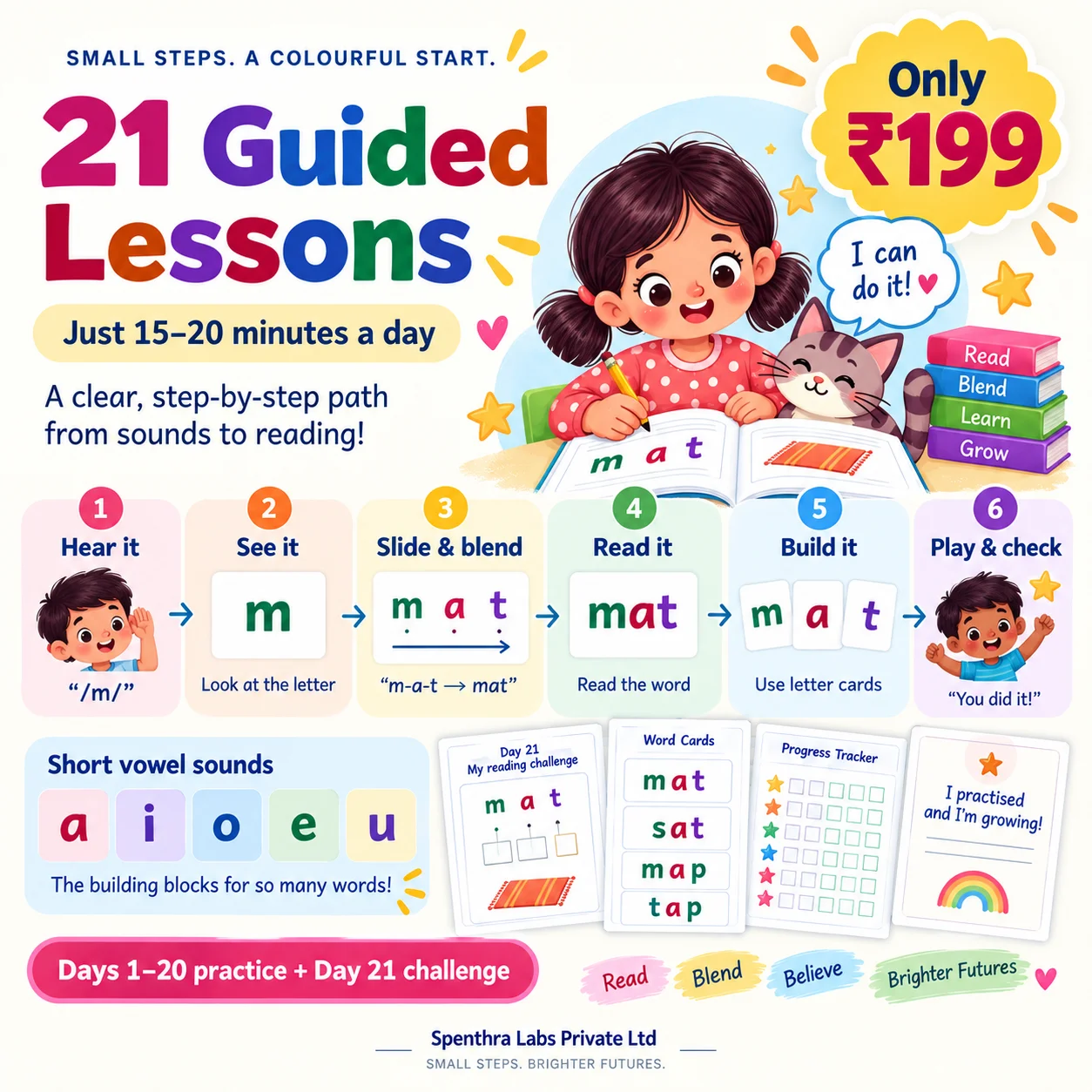
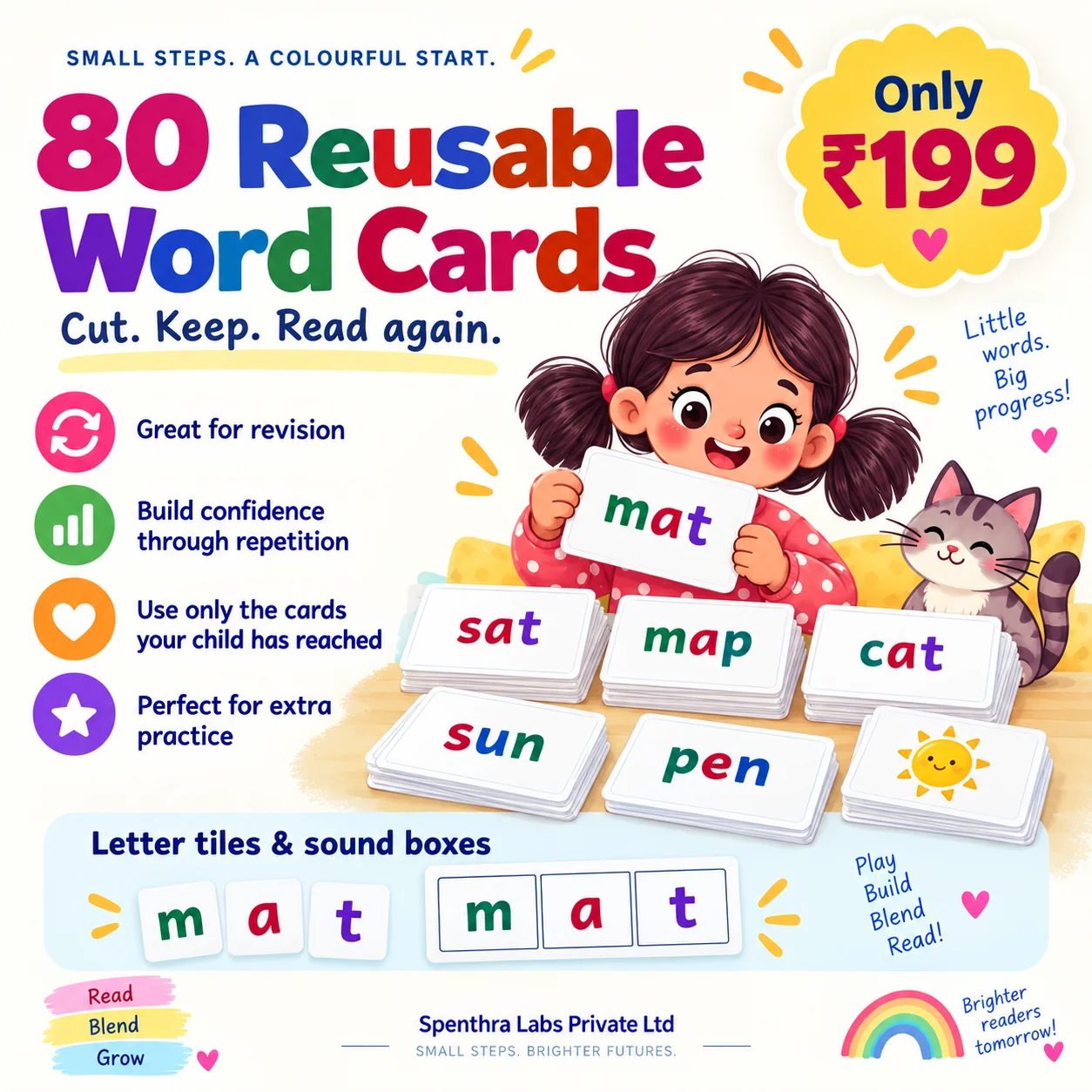
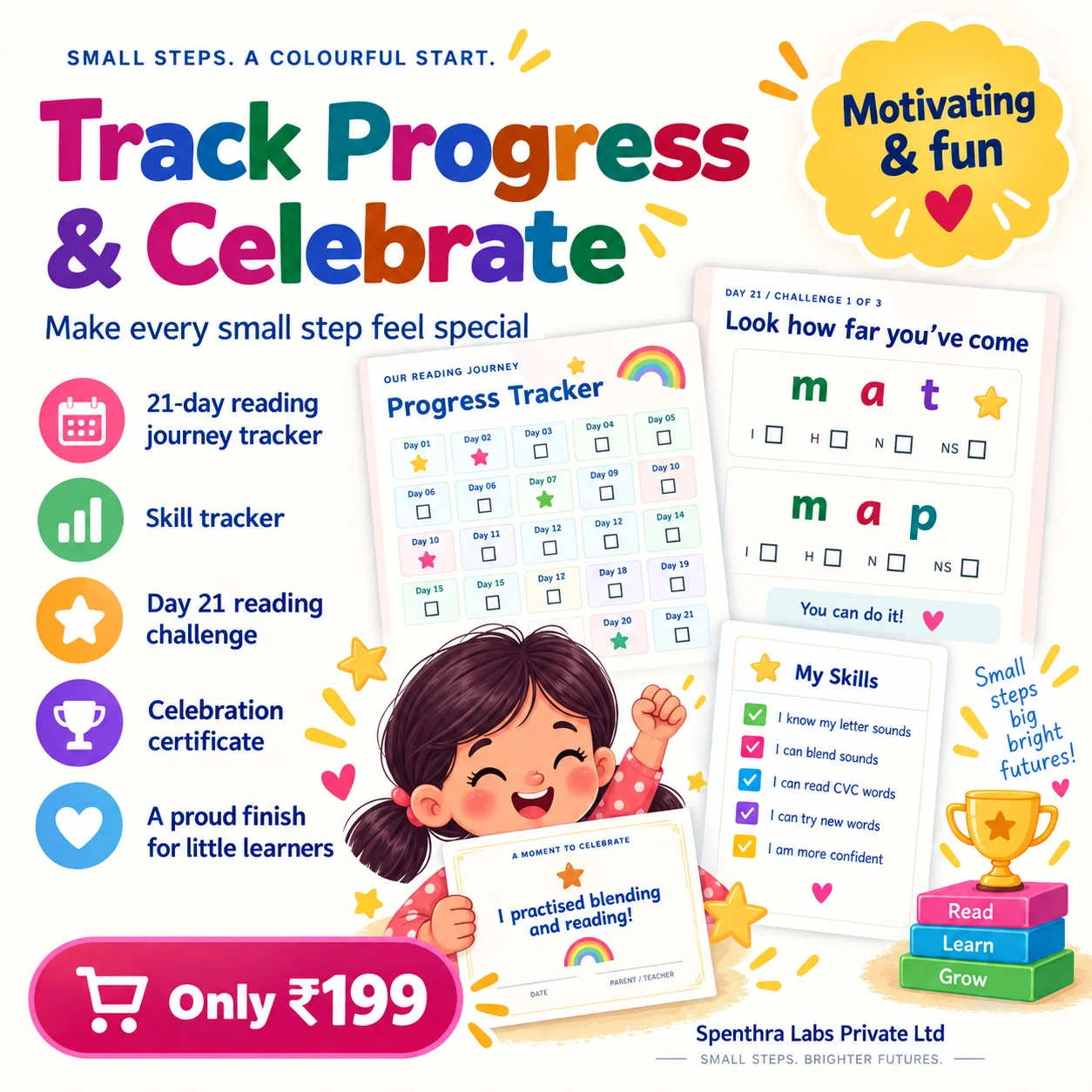
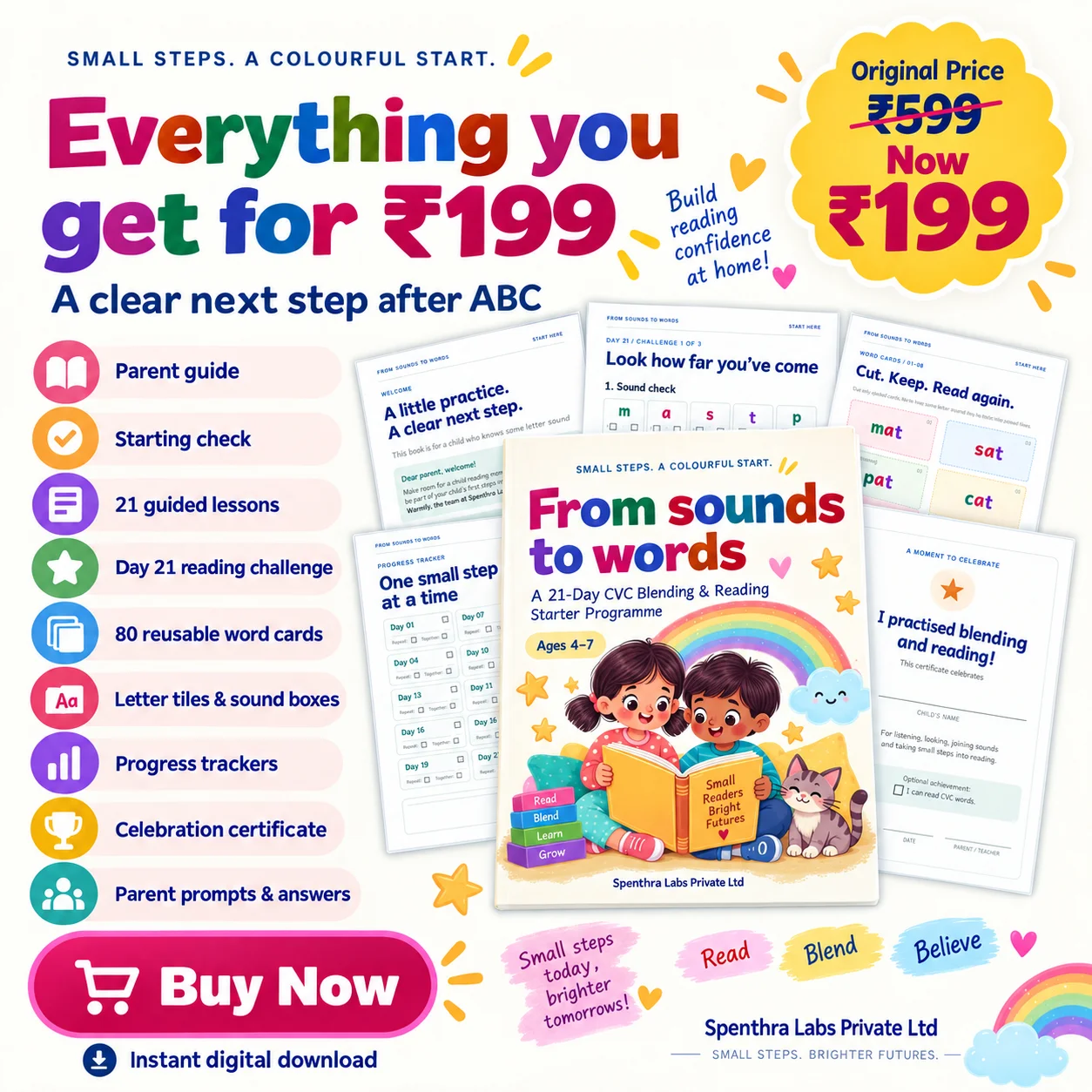
21 days of guided reading practice for little learners.

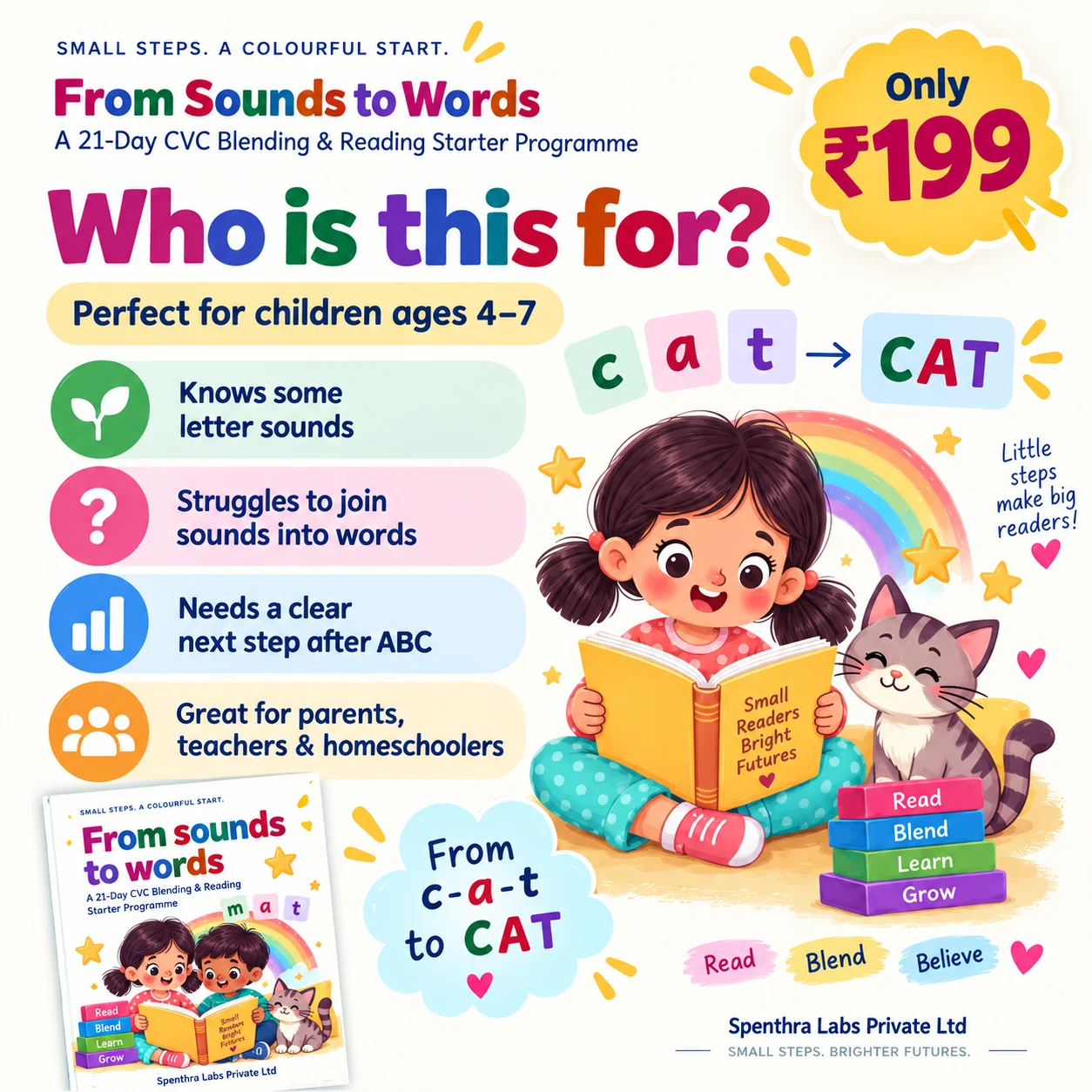
Ages 4–7 · English · Printable PDF

See More

From Sounds to Words

Free · no sign-up · unlimited

Multiple Choice Worksheet Generator

Quick quizzes with tick boxes, circles or lettered options. Pull from the maths and general-knowledge banks, or type your own questions for any topic.

  • Maths facts, general knowledge, sentence completion, or your own questions
  • Two to five options per question
  • Tick boxes, circles or lettered options
  • Answer key ticks the correct option

How to get the most from these worksheets

A few things worth knowing before you print a stack of them.

Wrong options should be plausible

The maths bank builds distractors as near misses — off by one, off by two, off by ten — because those are the answers a child actually arrives at when they slip. Options that are wildly wrong can be eliminated without doing any maths, which makes the question worthless.

Four options, not three

With three options a child who knows nothing scores 33% by guessing. With four it drops to 25%. If you are using the sheet to assess rather than practise, the extra option is worth adding.

The wrong answers are the hard part to write

A multiple choice question is only as good as its distractors. Options that are obviously absurd let a child score by elimination without knowing anything. The useful wrong answers are the ones that represent actual misconceptions — the result of adding instead of multiplying, the homophone, the off-by-one. Then a wrong answer tells you which mistake was made, which is worth far more than a tick.

Four options is the practical sweet spot

Two options give a coin flip. Three is usually fine. Four brings the guess rate to 25% and is where most tests settle. Five rarely helps, because writing a fifth genuinely plausible distractor is hard and the weak one that results gets eliminated instantly, quietly turning it back into a four-option question.

Watch for the position pattern

Children notice if the answer is usually B or C, and some will use that instead of reading. Randomising position matters, and so does avoiding the reverse trap of making every position equally frequent in a visible cycle. If a child's score is much better than their classwork suggests, check whether they are reading the options at all.

Avoid all of the above

It is answerable without full knowledge — spotting two correct options is enough — and it frequently cues itself, because the phrase turns up more often when it is right. Similar problems attach to none of the above. Both are convenient to write and weaken the question, which is a poor trade.

Ask for reasons on a few of them

Multiple choice is fast to mark and tells you little about thinking. Marking three or four questions on the sheet as ones where the child must write why they chose their answer recovers most of that, at very little cost in marking time, and it discourages guessing across the whole sheet rather than just those questions.

What makes this different

Genuinely unlimited

No monthly cap and no premium tier. Make fifty worksheets in an afternoon if you need to.

Nothing is uploaded

Questions, names and PDFs are all built in your browser. No worksheet content is ever sent to a server.

Several exercises per sheet

Combine arithmetic, tracing and a quiz on one page instead of printing three separate worksheets.

Edit every question

Retype any question, replace just one, or delete it — your edits survive when you change the settings.

Frequently asked questions

Can I write my own quiz questions?

Yes. Choose “My own questions” and write one per line: the question, then the options separated by a vertical bar, with a star marking the correct one.

How many options can each question have?

Between two and five.

Does the answer key mark the right option?

Yes — the key ticks the correct box and prints that option in a highlight colour.

How many options should a multiple choice question have?

Four is the usual choice and a sound one — it brings the guess rate to 25% while still allowing every option to be plausible. Five rarely helps, because the fifth distractor tends to be weak and gets eliminated immediately.

What makes a good wrong answer?

One that a child would arrive at by making a real mistake — adding instead of multiplying, choosing the homophone, being out by one. Obviously absurd options let children score by elimination, and they tell you nothing about what went wrong.

Should I use all of the above as an option?

Better not to. It can be answered correctly by recognising only two options, and in practice it appears more often when it is the right answer, which children notice. The same applies to none of the above.

How do I stop children guessing on multiple choice?

Ask for a reason on a few questions. It costs little marking time and changes how the whole sheet is approached, because a child who might have to justify any answer reads the options rather than picking one.

Related generators

Suitable grade levels