
Skip to content

From our digital bookshelf

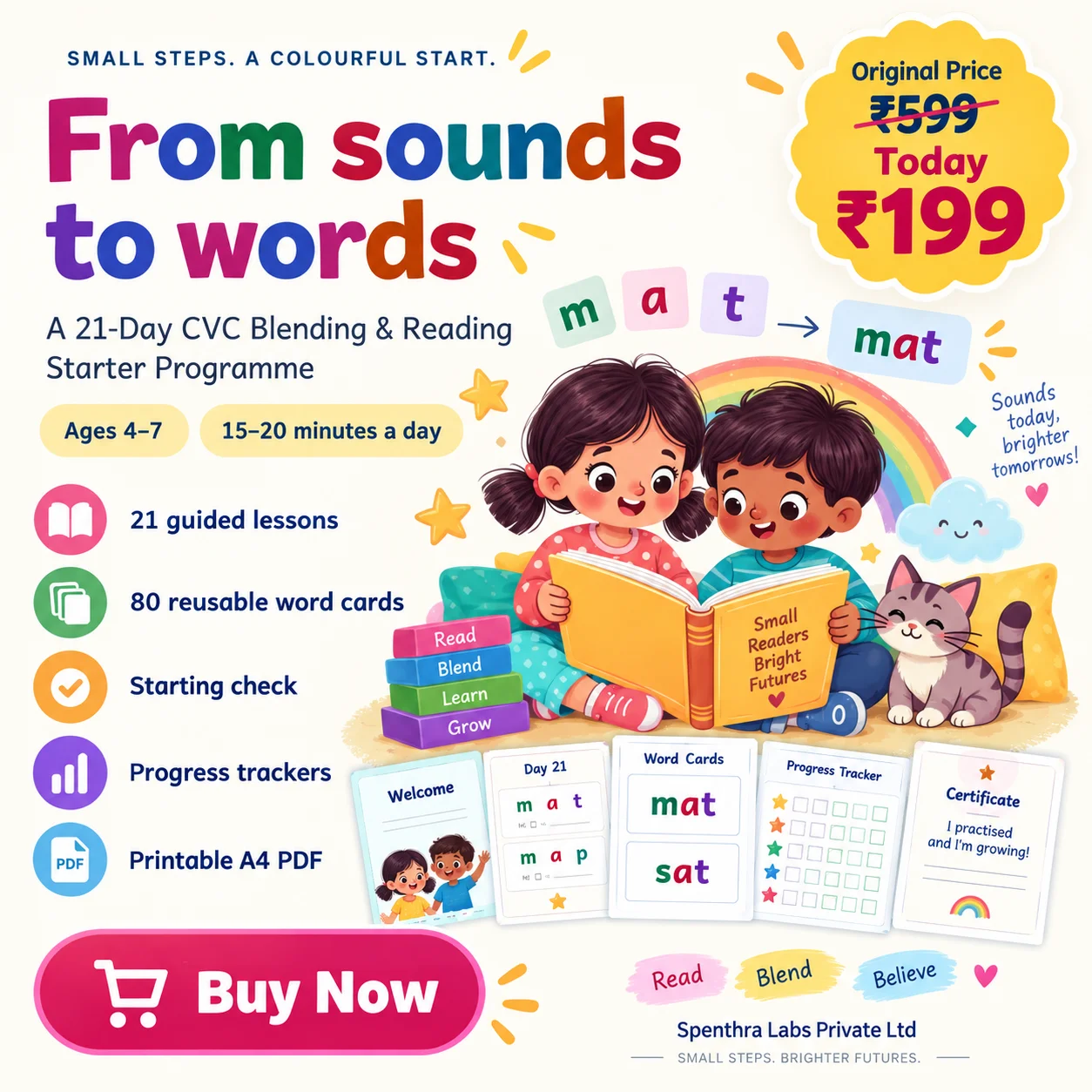
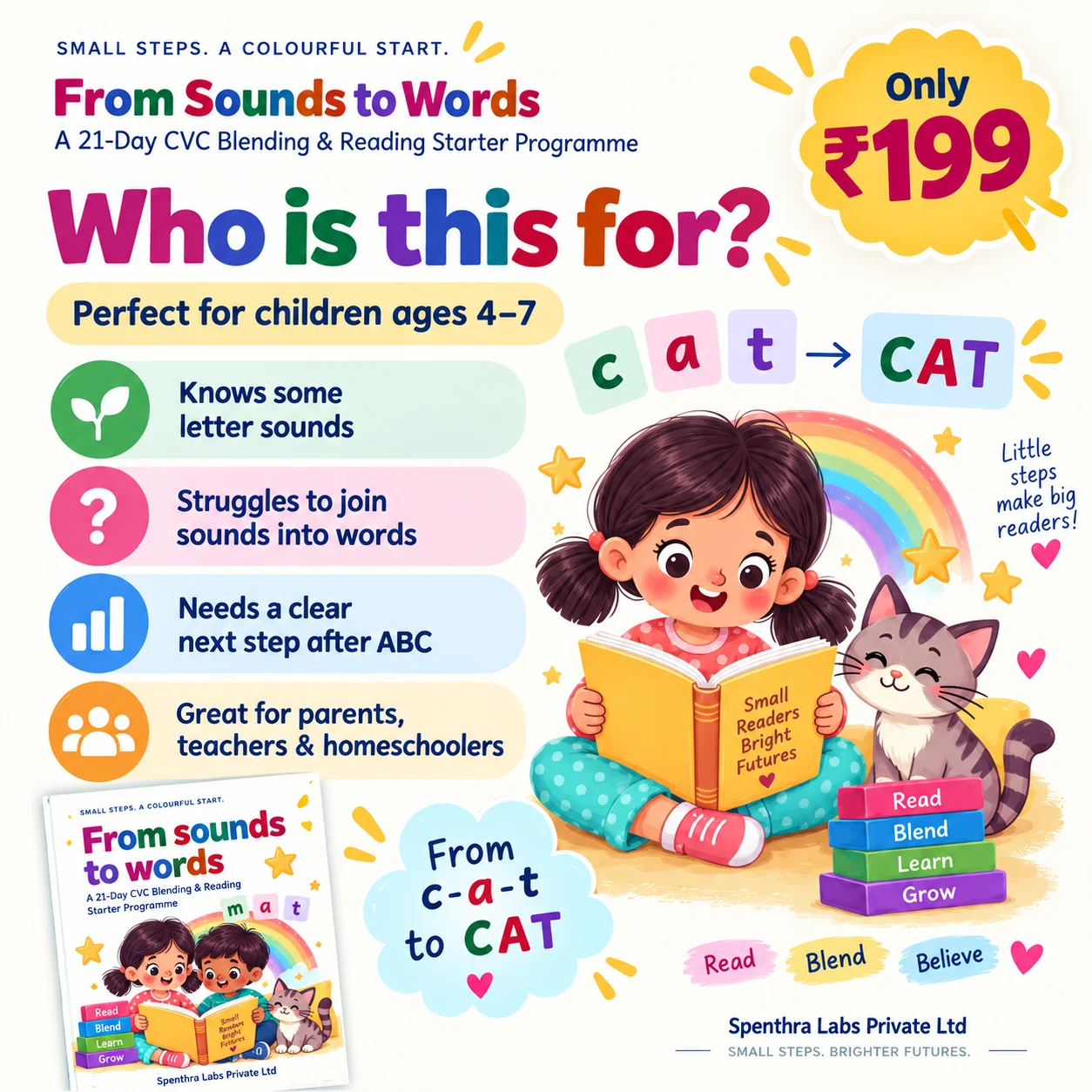
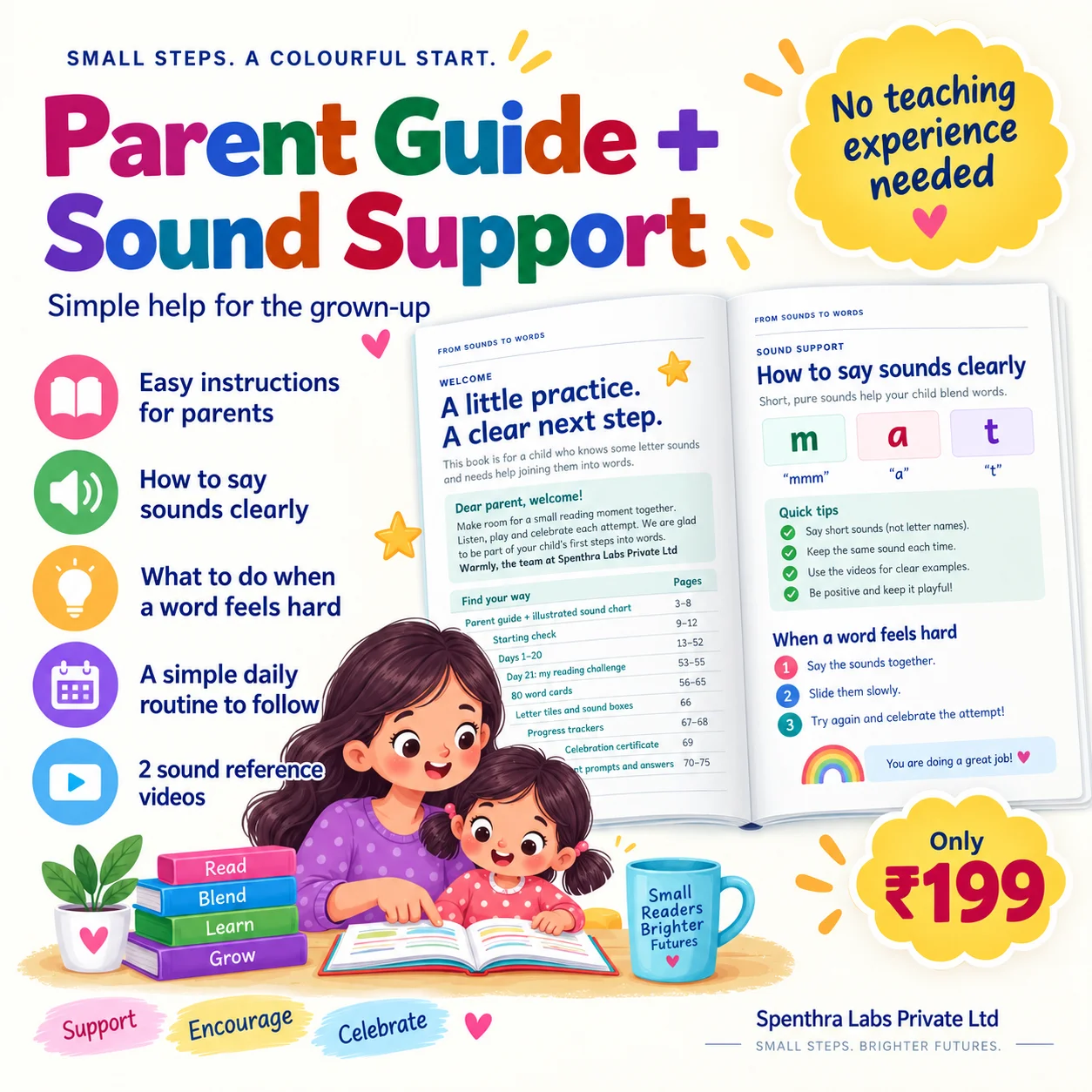
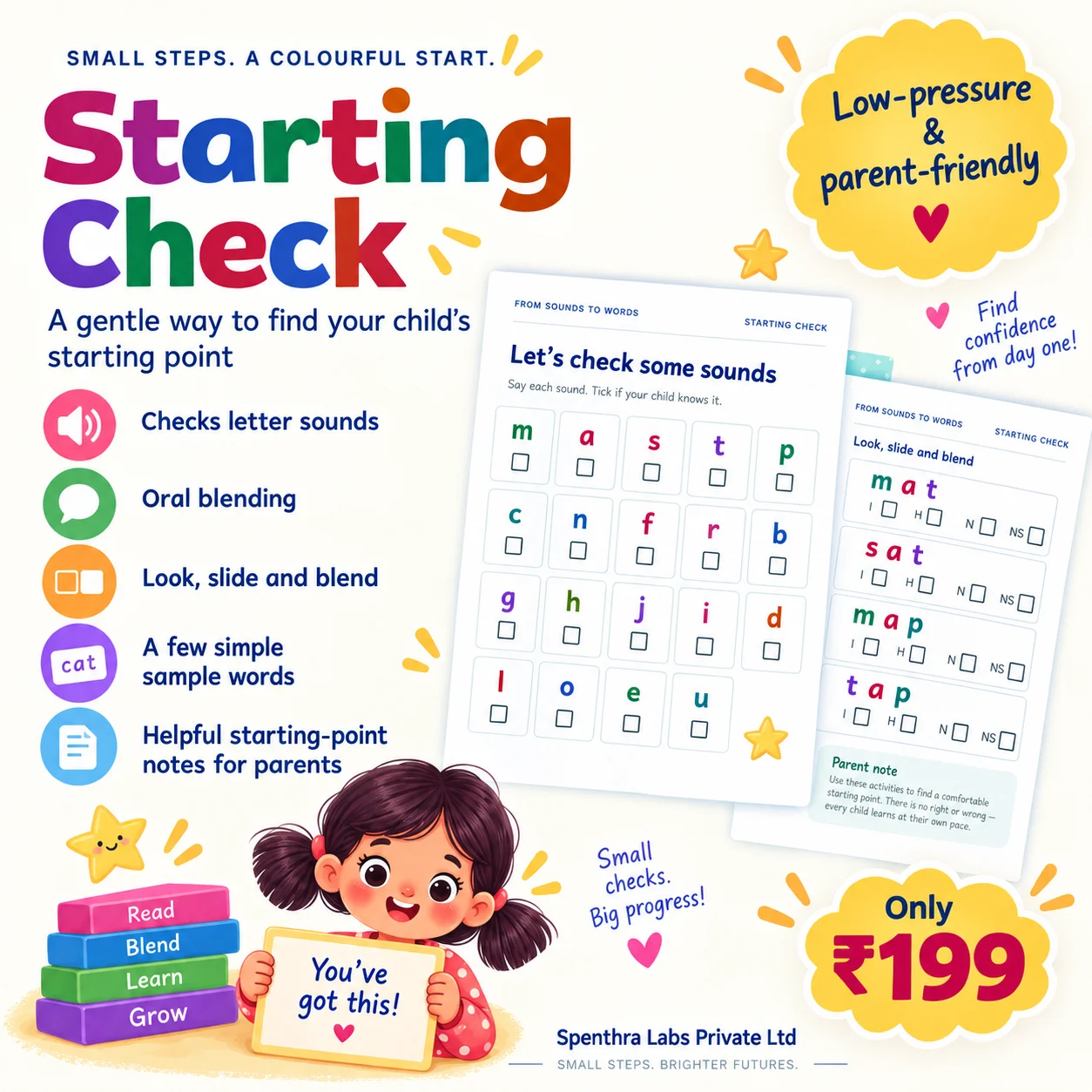
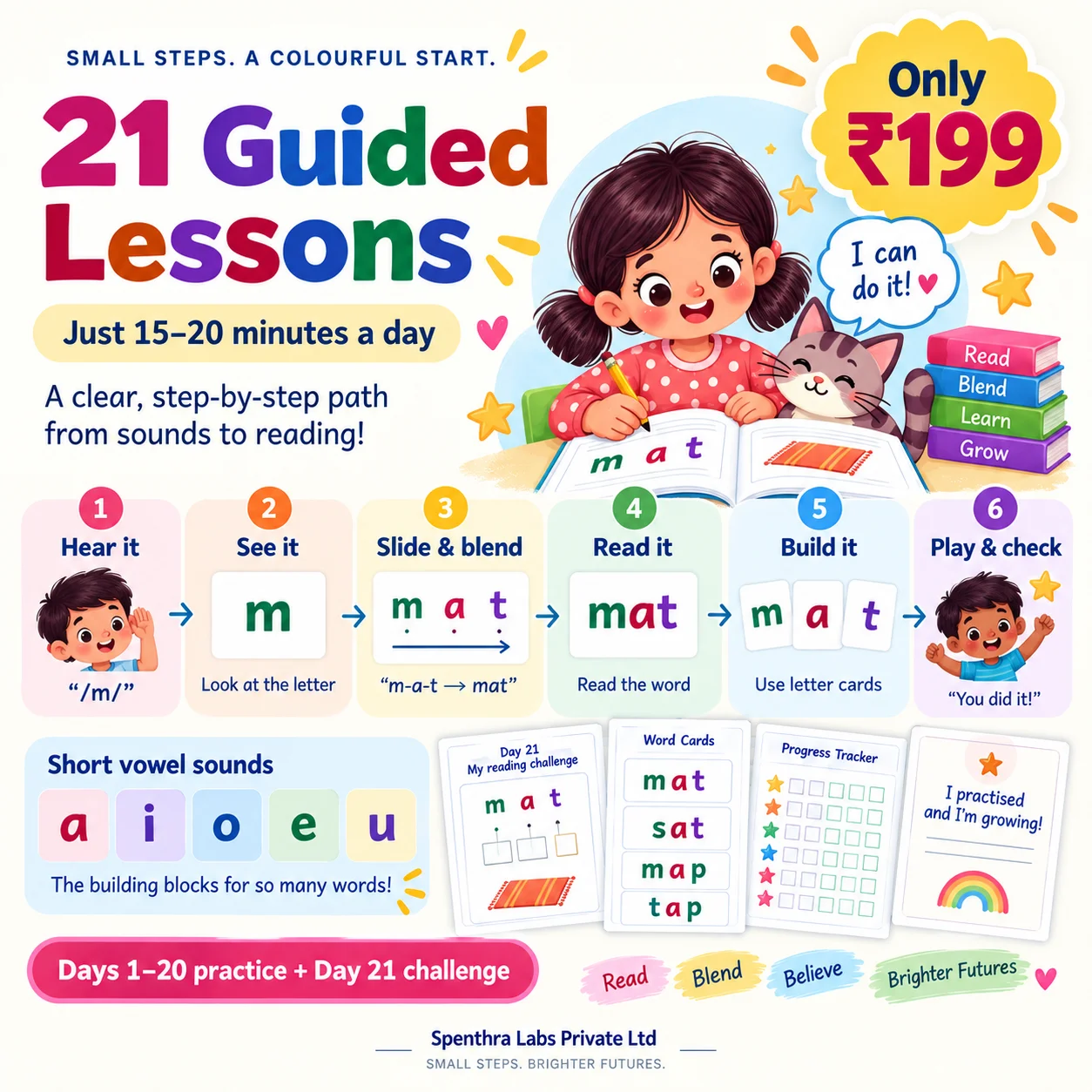
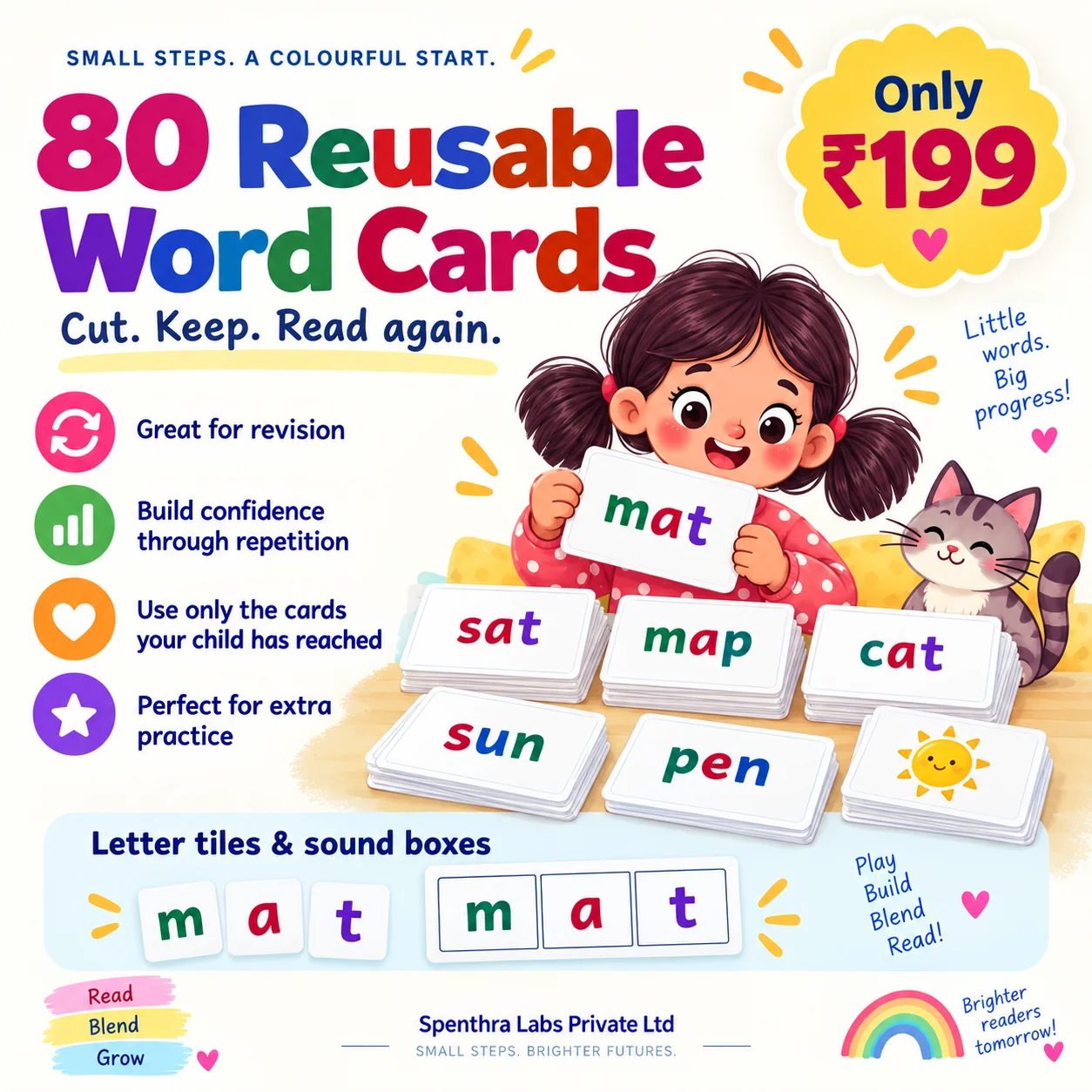
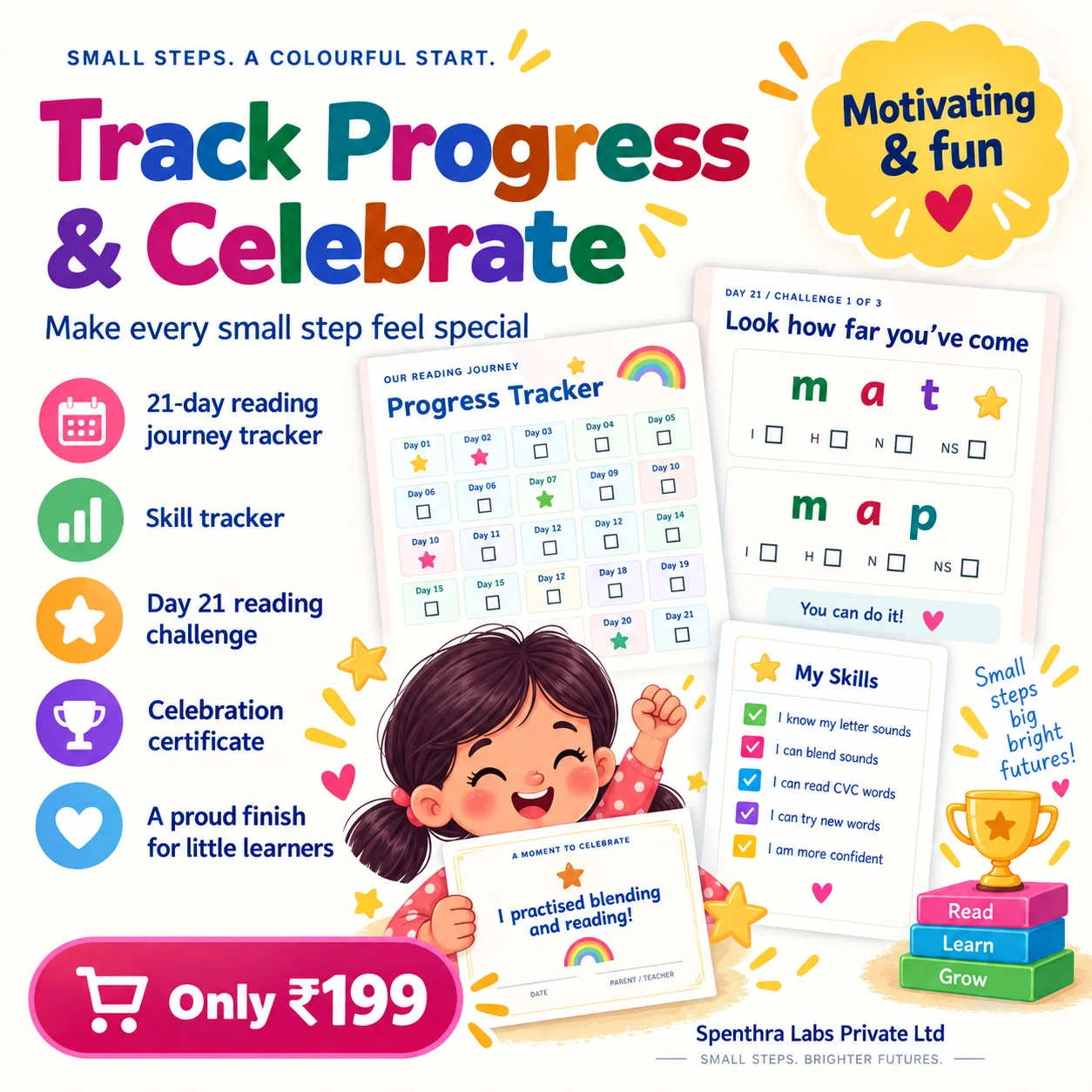
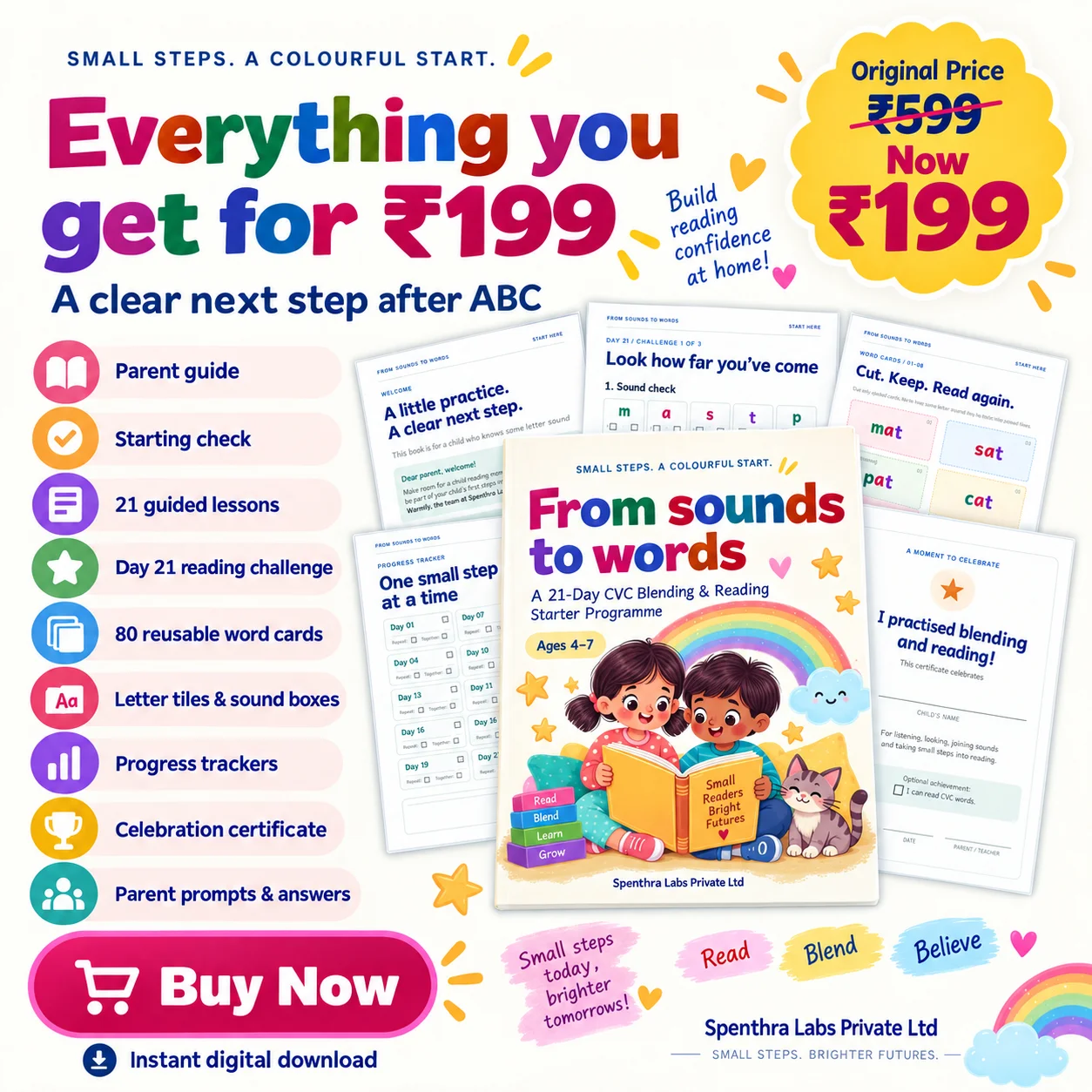
21 days of guided reading practice for little learners.

Ages 4–7 · English · Printable PDF

See More

From Sounds to Words

Free · no sign-up · unlimited

Subtraction Worksheet Generator

Generate subtraction practice with precise control over borrowing. Keep every answer at zero or above for younger classes, or allow negative results for older ones. Print instantly or save a free PDF.

  • Turn borrowing on, off, or mix it
  • Keep answers positive, or allow negatives
  • Column method or horizontal number sentences
  • Optional answer key

How to get the most from these worksheets

A few things worth knowing before you print a stack of them.

Separate borrowing from the rest

Borrowing across a zero (503 − 178) is a genuinely different problem from ordinary borrowing. Generate a sheet with borrowing forced on and a number range in the hundreds so those cases actually appear, rather than hoping random problems produce them.

Watch for the reversal error

A child who writes 43 − 27 = 24 has subtracted the smaller digit from the larger in each column instead of borrowing. It is the single most common subtraction mistake. A sheet with borrowing forced on surfaces it quickly.

Borrowing is where subtraction actually gets hard

Children usually meet subtraction confident from addition and then hit exchanging, where the top digit is smaller than the one below it. The common error is not confusion but avoidance: faced with 42 − 17, a child subtracts the smaller from the larger in each column and writes 35. It looks like a careless slip and it is not — it is a consistent, reasoned method that happens to be wrong. Set borrowing to Always and the error shows up on every line, which is exactly what you want when diagnosing it.

Zeros in the top number deserve their own sheet

Subtracting from a number containing zero — 304 − 128, or worse 1000 − 476 — is the case that breaks children who are otherwise fluent. There is nothing in the tens column to borrow from, so the exchange has to travel. A child can pass every other kind of subtraction and fail this one entirely. It is worth generating a short sheet of these alone rather than hoping two examples in a mixed set do the job.

Difference and take-away are the same operation, not the same idea

Subtraction means two things children do not automatically connect: removing from a quantity, and finding the gap between two quantities. A child who reads 51 − 48 as take-away will start crossing out and exchanging. One who reads it as difference counts up three. Both are correct and the second is far quicker. Mixing near-miss pairs into a sheet of ordinary subtractions is a good way to see which reading a child defaults to.

Check subtraction with addition on the same sheet

The reliable self-check for subtraction is to add the answer to the number subtracted and see whether the original comes back. Teaching this is worth more than another ten questions, because it makes a child's own work checkable without you. Print the answer key as extra pages rather than filled in, so they check by their own method first and only then compare.

Keep the range below where they can count back

For a child still building confidence, small differences let them count back and get the right answer without using the method you are teaching. If the point of the sheet is the written method, choose numbers far enough apart that counting back is impractical. If the point is number-fact fluency, do the opposite deliberately.

What makes this different

Genuinely unlimited

No monthly cap and no premium tier. Make fifty worksheets in an afternoon if you need to.

Nothing is uploaded

Questions, names and PDFs are all built in your browser. No worksheet content is ever sent to a server.

Several exercises per sheet

Combine arithmetic, tracing and a quiz on one page instead of printing three separate worksheets.

Edit every question

Retype any question, replace just one, or delete it — your edits survive when you change the settings.

Frequently asked questions

Can I make subtraction worksheets without borrowing?

Yes. Set regrouping to “Never” and every problem will subtract column by column with no borrowing.

Can answers be negative?

Only if you switch on “Allow negative answers”. It is off by default, so the larger number always comes first.

Do I need to create an account?

No. There is no sign-up, no email, and no limit on how many worksheets you make.

What is the difference between borrowing and regrouping?

They are two names for the same step — taking ten from the next column when the digit above is too small to subtract from. Borrowing is the older classroom word; regrouping and exchanging are the terms most current curricula use. The generator's setting controls whether problems require it.

Why do children write the bigger digit minus the smaller one?

Because it is the only way to make each column work without exchanging, and nobody told them the columns are not independent. It is a reasoned mistake rather than a careless one, which is why it repeats so consistently. A sheet where every problem borrows makes it visible immediately.

Should I teach subtraction before or after addition?

After, and usually alongside — the written method for subtraction assumes the place-value understanding that addition builds. Many teachers introduce the pair together as fact families so children see them as one relationship rather than two unrelated procedures.

Can I make subtraction worksheets that never go negative?

Yes. The generator keeps the larger number on top so every problem has a positive answer, which is what you want for primary practice. Negative results are a separate topic that needs a number line rather than a column method.

Related generators

Suitable grade levels